
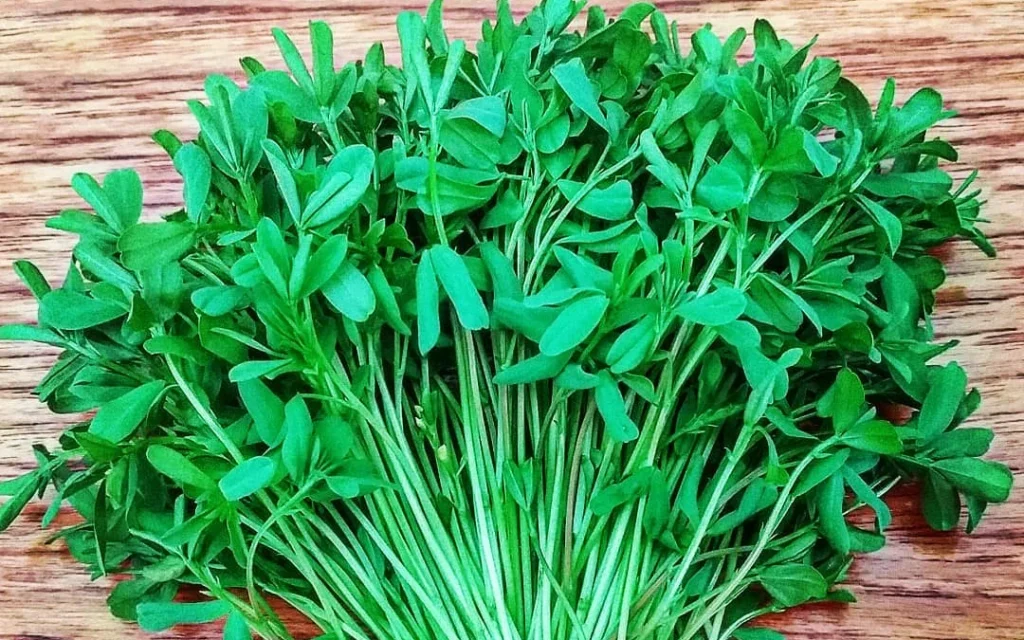
Fresh, crisp, and bursting with nutrition, lentil microgreens are the tiny greens making a big impact in healthy kitchens. These little shoots grow fast, taste amazing, and bring a vibrant crunch to your meals without needing a garden or fancy tools.
With just a cup of lentils and a sunny spot, you can grow your own nutrient-packed greens right at home. They’re rich in protein, iron, and flavor, making them perfect for salads, wraps, stir-fries, or even a quick snack.
And when you cut them, they grow back in just days. It’s the easiest way to add something fresh, nourishing, and seriously satisfying to your plate 🌱✨🥗
What Are Lentil Microgreens?
Lentil microgreens are the early, edible shoots that emerge after lentils have germinated and grown past the sprouting stage. These delicate greens are harvested after the lentil seed has developed a slender stem and its first set of leaves, known as cotyledons. At this point, the plant is still young and tender but nutritionally dense and packed with enzymes that support digestion and overall health.
Unlike lentil sprouts, which are consumed whole—seed, root, and shoot included, microgreens are typically harvested above the root line. The distinction is important both nutritionally and culinarily. Sprouts are generally ready to eat in two to three days and are consumed before any green leaves appear. They are pale in color and have a more intense, earthy taste. Microgreens, in contrast, take between five and twelve days to reach full size, depending on temperature and growing method. They develop chlorophyll-rich leaves, offer a more refined flavor, and visually brighten up any dish.
Microgreens are not only more appealing in appearance and texture, but they are also morenutrient-densed than their sprout counterparts. The transformation from sprout to microgreen happens quickly, and with just a few days of patience, growers can enjoy a crop that is richer in flavor and nutritional value.
Types of Lentils Used
Not all lentils perform equally when it comes to growing microgreens. Several varieties have been tested successfully at home, each offering a slightly different growth pattern and flavor profile.
Brown lentils are the most common choice due to their wide availability, fast germination, and consistent performance. They are easy to source in most grocery stores and tend to produce sturdy, green shoots with a neutral flavor that pairs well with a variety of dishes.
Other varieties that can be used include French green lentils, black lentils, and khaki masoor lentils. French green lentils are slightly firmer and darker, often resulting in more compact greens. Black lentils tend to sprout thinner, more delicate shoots that may appeal to those looking for a lighter texture. Khaki masoor lentils are widely available in Indian households and supermarkets and offer good germination rates with a slightly nutty undertone.
Regardless of the variety chosen, it is essential to use whole, unprocessed lentils. Split or polished lentils will not germinate because they have been processed in a way that removes the ability to sprout. Ideally, organic lentils should be used as they are less likely to have been treated with preservatives or anti-sprouting chemicals.
The type of lentil used can affect not just growth rate but also regrowth potential, taste, and even nutrient density. It is worthwhile for growers to experiment with a few varieties to discover which performs best in their climate and matches their flavor preference.
🌿 Recommended Microgreens Supplies |
How to Grow Lentil Microgreens at Home
Growing lentil microgreens indoors is a practical and rewarding experience that requires minimal equipment and effort. With just a few household items and a little consistency, anyone can cultivate a fresh, edible crop in under two weeks.
Materials You Need
To start, gather dry whole lentils, ideally organic and untreated. A shallow container or tray with drainage holes is recommended. This can be a repurposed takeout container or a store-bought seed tray. If drainage holes are not available, placing a strainer inside a bowl also works effectively. For those who prefer to avoid soil, a layer of moist paper towels or a mesh sprouting lid can act as a growing surface.
A spray bottle is essential for evenly watering the seeds without flooding them. Access to natural light or a basic grow light setup is helpful but not mandatory. During the early days, the seeds should be kept in a dark or shaded area, and light can be introduced later to encourage photosynthesis and healthy green growth.
Soaking
Before planting, lentils should be soaked to initiate the germination process. Soaking times vary, but the optimal range is between eight and twelve hours. This allows the lentils to absorb enough moisture to activate enzymes and begin softening their outer shells.
Some growers recommend an optional vinegar soak as an additional sanitation step. This involves mixing one-quarter cup of vinegar into four cups of water and letting the lentils soak for just two minutes. Afterward, rinse them thoroughly with clean water. This step helps reduce the risk of mold, which can otherwise hinder growth during the early stages.
Sprouting Phase
Once soaked and rinsed, spread the lentils evenly across the growing tray or paper towel surface. The lentils should be close enough to touch but not piled on top of each other. Gently mist the surface with water to keep it evenly moist.
In this phase, the lentils should be kept in a dark, warm place. Covering them lightly helps retain humidity and mimics the conditions they would experience underground. Watering twice daily is typically sufficient. A spray bottle is useful here because it prevents overwatering and helps distribute moisture evenly.
Within one to two days, the lentils will begin to swell and develop white root tips. By the third or fourth day, tiny shoots will emerge, and the seeds will have doubled or tripled in size. At this point, they are technically considered sprouts and can already be harvested and eaten. However, to grow microgreens, you will need to continue for a few more days.
Microgreens Stage
To transition from sprouts to microgreens, remove the cover and move the tray to an area with access to indirect sunlight or artificial lighting. This light exposure initiates chlorophyll production and turns the pale shoots into vibrant green microgreens. The light also enhances their flavor and nutritional profile.
After a few days of light exposure, the roots will strengthen and embed themselves into the paper towel or mesh. At this point, you can reduce overhead misting and begin watering from the bottom. This involves pouring water into the lower tray or dish, allowing the roots to absorb moisture without wetting the delicate leaves. Bottom watering helps avoid fungal growth and ensures more consistent hydration.
Depending on temperature and light conditions, lentil microgreens are typically ready to harvest between day five and day twelve. Harvest by cutting the stems just above the root line using clean scissors or garden shears. The greens should be stored dry in the refrigerator and can stay fresh for up to one week.
Regrowth Potential
One interesting quality of lentil microgreens is their ability to regrow after the initial harvest. When cut carefully above the base, the remaining root structure can produce a second round of shoots. Some growers report visible regrowth within two to three days and a secondary crop ready within a week. This makes lentils an efficient and low-waste crop for home growers seeking continuous harvests from a single planting.
Health Benefits of Lentil Microgreens
Lentil microgreens are widely valued for their impressive nutritional profile, especially given their small size and short growth period. During germination, enzymes are activated, antinutrients are reduced, and nutrient density increases, making these tiny greens an ideal choice for anyone seeking concentrated health benefits in whole food form.
One of the standout features of lentil microgreens is their high protein content. Lentils are already known for being one of the most protein-rich legumes, containing approximately 25% protein by weight in their dry form. When allowed to grow into microgreens, their protein content becomes more bioavailable due to enzyme activity that breaks down complex storage proteins into simpler amino acids. This makes them easier to digest and absorb, especially for people with sensitive stomachs.
Another key benefit lies in their iron content. In one of the shared experiences, the grower emphasized the importance of lentil microgreens as a natural source of iron, especially for those with iron deficiencies. Iron is essential for oxygen transport in the blood, energy metabolism, and cognitive function. While plant-based iron (non-heme iron) is generally less readily absorbed than the type found in meat, consuming it in sprouted or microgreen form significantly improves its absorption potential.
Lentil microgreens are also rich in folate, a B vitamin essential for cell growth and DNA repair, making them especially beneficial during pregnancy. They provide a good dose of vitamin C, which supports immune function and also aids in iron absorption when eaten together. Other micronutrients include zinc, potassium, magnesium, and trace amounts of calcium.
Furthermore, their fiber content plays a role in supporting gut health. While sprouts are eaten whole and provide more fiber, the stems and leaves of microgreens still contain soluble fiber that can contribute to smoother digestion and blood sugar regulation.
Finally, lentil microgreens are loaded with antioxidants, especially when harvested at their peak green stage. These compounds help neutralize free radicals in the body, reducing inflammation and potentially lowering the risk of chronic diseases like heart disease and diabetes.
Taste Profile and Texture
The flavor of lentil microgreens is surprisingly fresh and mild with a subtle nutty or grassy undertone. Unlike raw lentils or cooked lentil beans, which some people find earthy or even bitter, lentil microgreens have a crisp, clean taste that blends well with a variety of savory and fresh dishes.
One grower, who disliked both lentils and their sprouts, found the microgreens not only palatable but enjoyable enough to grow additional trays. This shift from aversion to appreciation highlights how sprouting and greening transform both the taste and the sensory experience of lentils.
The texture is equally pleasing. When harvested at the right time, usually between day 7 and day 12, lentil microgreens are tender and juicy. They offer a slight crunch from their stems with a delicate leaf structure on top, making them perfect for adding light texture without overpowering a dish.
Harvesting time affects both flavor and texture. When cut just after the first set of leaves has opened, they taste fresh and neutral. Letting them grow longer brings a stronger flavor and a slightly more fibrous texture. Tasting a few at different stages is a good way to find your preference.
Because of their neutral yet nourishing flavor, they’re versatile in the kitchen. They don’t dominate the palate and can be added to meals without overwhelming the other ingredients. In fact, their subtle profile makes them a go-to for blending nutrition into everyday dishes.
How to Use in Recipes
Lentil microgreens are incredibly versatile and can be incorporated into nearly any meal—raw or lightly cooked. Their flavor and texture adapt well to everything from salads and sandwiches to warm entrees and snacks.
One popular method is using them in grain bowls or rice dishes. For instance, a simple combination of steamed rice topped with garlic sautéed lentil microgreens, herbs, banana peppers, and a drizzle of butter can transform into a comforting, nutrient-rich dinner.
They also make an excellent salad base or topping, either on their own or mixed with other greens. Adding a handful of microgreens to a fresh salad provides a crunchy texture and boosts the overall nutrition profile, especially in terms of iron, vitamin C, and folate.
Another option is using them in smoothies or juices, though this works best when combined with stronger fruits like pineapple, mango, or berries to balance the mild grassy notes.
For warm applications, lentil microgreens can be tossed into stir-fries during the last minute of cooking or folded into scrambled eggs or omelets. This allows them to retain their structure while adding color, fiber, and flavor.
They can even be layered into sandwiches, wraps, or burgers, offering a fresh bite that complements both plant-based and meat-based meals.
Creative cooks also use them as edible garnishes. Because of their visual appeal and compact size, lentil microgreens elevate the presentation of everything from soups to charcuterie boards.
Sustainability and Budget-Friendly Benefits
Growing lentil microgreens at home is one of the most sustainable ways to supplement your diet with fresh greens. Lentils themselves are among the most environmentally friendly crops, requiring significantly less water and fertilizer than other protein sources. When grown at home, this footprint is reduced even further.
Lentils grow quickly and without the need for fertilizers, pesticides, or synthetic inputs. They germinate well in low light and don’t require any fancy equipment or climate control, making them accessible to people in small spaces or colder climates. In fact, some growers have successfully cultivated lentil microgreens indoors during cold weather, with temperatures as low as minus one degree Celsius outside.
Additionally, lentils are affordable and widely available. A standard bag of dried lentils costs less than a few dollars and can produce multiple trays of microgreens. Compared to purchasing store-bought microgreens, which are often expensive and come in plastic packaging, growing them at home cuts costs and reduces waste.
Another economic benefit is regrowth. Lentil microgreens, when harvested properly, often regrow from the base within days, providing a second or even third crop from the same planting. This feature adds value by extending the harvest and maximizing the nutritional output from a single handful of lentils.
Minimal water, no soil if using hydroponic paper towels, and low light requirements make lentil microgreens an eco-conscious addition to a home diet. For anyone looking to eat healthier while reducing grocery bills and food miles, these microgreens offer an ideal solution.