
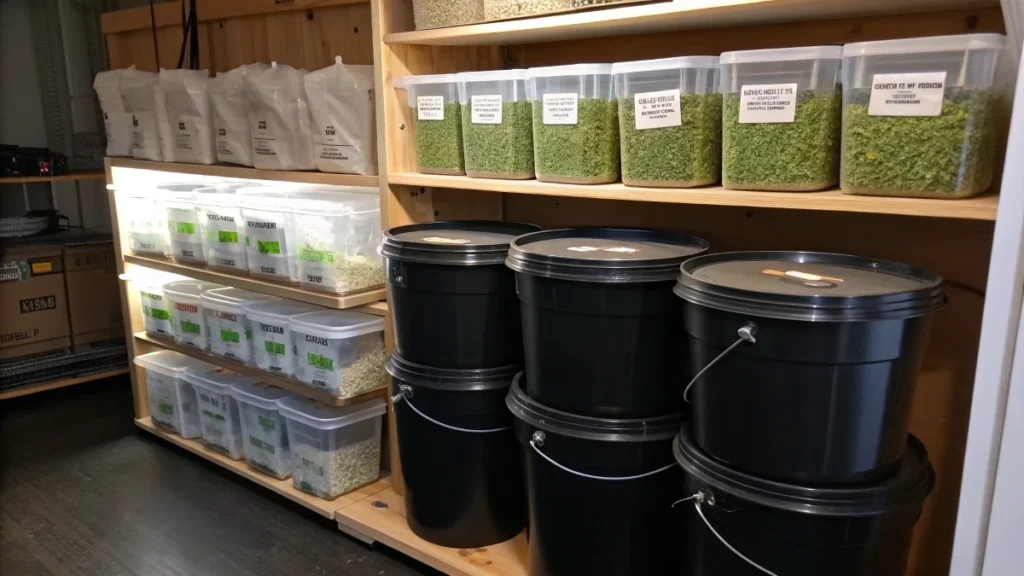
Storing microgreens seeds properly is crucial for ensuring their viability and successful growth. Whether you are growing microgreens for personal use or as part of a business, knowing how to store seeds correctly plays a significant role in maintaining high germination rates.
Microgreens are known for their rapid growth, but improper seed storage can lead to poor results.
Exposure to light, moisture, and air can all degrade the quality of seeds, making them less effective when it’s time to plant. By storing seeds properly, you can extend their shelf life, save money by buying in bulk, and ensure a constant supply of fresh, healthy microgreens.
Factors Affecting Seed Longevity
When it comes to seed longevity, three factors are key: temperature, light, and humidity. Storing microgreens seeds in a cool, dark, and dry environment is essential for preserving their quality. Seeds that are exposed to light can start to sprout prematurely or lose their viability over time. Additionally, storing seeds in humid environments can lead to mold or rot, which can ruin the seeds completely.
For the best results, store seeds at temperatures between 40°F (4°C) and 50°F (10°C). This helps maintain their integrity and ensures they stay viable for longer. Keeping them in a consistent, stable environment away from fluctuating temperatures and humidity will significantly increase their shelf life.
Common Mistakes in Storing Microgreen Seeds
Many gardeners, both beginners and experienced, make mistakes when storing microgreens seeds. One of the most common errors is leaving seeds in open bags, where they are exposed to air and moisture. Each time the bag is opened, the seeds are vulnerable to environmental changes that can reduce their quality.
Another mistake is storing seeds in high-humidity areas, such as kitchens or basements, which can cause seeds to become moldy or damp. Some people also store seeds in places with fluctuating temperatures, which can lead to deterioration. As a result, the seeds lose their effectiveness, and germination rates decrease. To avoid these issues, it is essential to store seeds in sealed containers or smaller bags to reduce exposure to the elements.
🌿 Recommended Microgreens Supplies |
Best Practices for Storing Microgreens Seeds
The best way to store microgreens seeds is to use airtight containers or resealable bags. These types of containers help protect the seeds from moisture, air, and light, all of which can degrade their quality. If you are storing seeds in bulk, it’s a good idea to divide them into smaller, airtight bags. This minimizes the number of times the seeds are exposed to air and helps maintain their freshness.
Additionally, labeling each bag with the seed type and storage date can help you stay organized and easily track your seeds. Using a vacuum sealer to remove any remaining air can further extend the life of the seeds. Sealing the seeds properly ensures they stay fresh and viable for months, if not years.
Using 5-Gallon Black Gamma Ray Buckets for Bulk Seed Storage
For those purchasing seeds in large quantities, 5-gallon black Gamma Ray buckets offer an excellent solution for bulk storage. These buckets are designed with airtight seals, which help protect the seeds from exposure to moisture, air, and light. The black color of the buckets also blocks out light, preventing premature sprouting and ensuring the seeds stay dormant until you are ready to use them.
Gamma Ray buckets are particularly useful for preserving large quantities of seeds over extended periods. When storing seeds in these buckets, it’s important to make sure the lids are securely sealed. Keeping the buckets in a cool, dry place further enhances the preservation of seed quality. If you divide your bulk seeds into smaller bags, you can store the rest in the Gamma Ray bucket until needed, ensuring easy access and long-term storage.
Where to Store Microgreens Seeds
The ideal storage location for microgreens seeds is in a cool, dark, and dry area. Light can cause seeds to deteriorate and lose their viability, so it’s essential to store them in a place that is shielded from direct sunlight.
A dark cabinet or drawer works well for this purpose. Keeping the temperature stable is also crucial; areas with fluctuating temperatures can cause condensation, which introduces moisture to the seeds, leading to potential mold or rot. Avoid storing seeds in areas like kitchens or basements, where humidity levels are often higher.
Instead, aim for a consistent, controlled environment where the seeds are not exposed to drastic changes in temperature or humidity. Using airtight containers, such as resealable bags or vacuum-sealed pouches, ensures that the seeds remain protected from external factors that could compromise their quality.
How Long Can Microgreens Seeds Be Stored?
When stored properly, microgreens seeds can last anywhere from several months to even years. The key to longevity lies in maintaining the ideal storage conditions: cool, dry, and airtight. Proper storage ensures that the seeds retain their germination potential over time.
For example, when stored in airtight bags or containers in a cool and dark place, seeds can remain viable for 12 months or longer. However, it’s important to note that some seeds, like broccoli or radish, tend to maintain their quality for a longer time than others.
As a general guideline, storing seeds in small, manageable portions also helps reduce waste. This allows you to open only the amount you need for planting, keeping the rest protected. By buying in bulk and storing properly, you not only save money but also ensure a steady supply of seeds for future plantings, making this an effective and long-term approach for microgreens growing.