
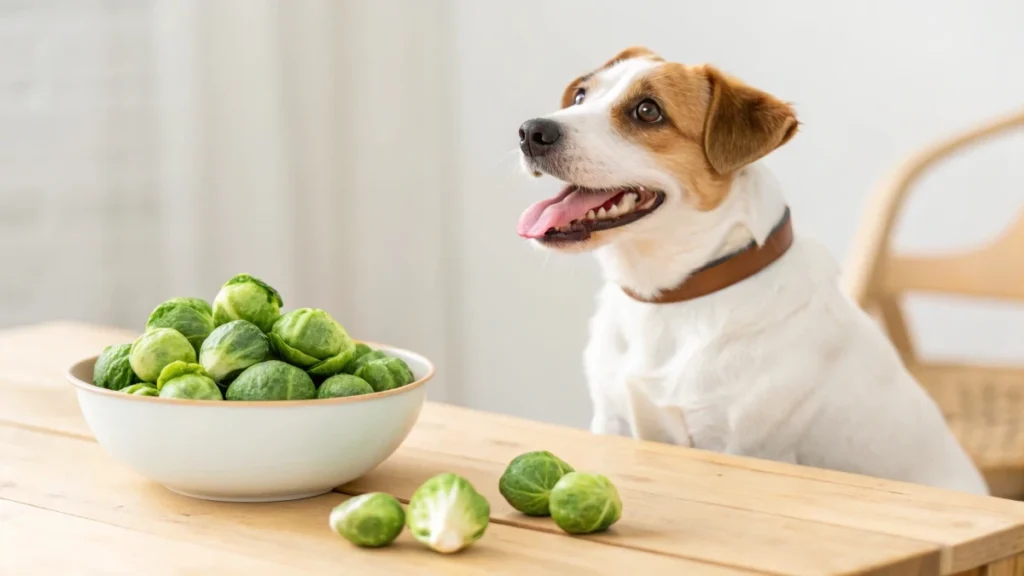
Brussels sprouts are a common vegetable in many human diets, often praised for their health benefits. As a dog owner, you may have wondered if this vegetable is safe for your furry friend to enjoy.
While Brussels sprouts are packed with nutrients, their potential benefits and risks for dogs require careful consideration. This article will dive into whether dogs can eat Brussels sprouts, how to prepare them properly, and the ideal portion sizes to avoid any health issues.
By the end, you’ll have a clear understanding of how to safely introduce Brussels sprouts into your dog’s diet if you choose to.
What Are Brussels Sprouts?
Brussels sprouts are small, green, leafy vegetables that belong to the cruciferous family, closely related to cabbage, broccoli, and kale. These little veggies are rich in vitamins, minerals, fiber, and antioxidants, which contribute to their reputation as a health food. For humans, they provide significant amounts of vitamin K, vitamin C, folate, and fiber. Brussels sprouts are often steamed, roasted, or even eaten raw in salads. While they are an excellent addition to a balanced human diet, their suitability for dogs depends on how they’re prepared and how much is given.
For dogs, Brussels sprouts can offer some key health benefits, but they should be considered more as an occasional treat rather than a regular meal. The high fiber content helps with digestion, while the antioxidants support the immune system. However, not all vegetables are suitable for dogs in large quantities, so moderation is key.
Are Brussels Sprouts Safe for Dogs?
Brussels sprouts are generally safe for dogs to eat, provided that certain precautions are taken. They are non-toxic, so you don’t need to worry about poisoning your dog with this vegetable. However, there are a few important things to consider before feeding Brussels sprouts to your dog.
Fiber and Digestion
First, because Brussels sprouts are high in fiber, eating them in large quantities can lead to digestive issues such as gas, bloating, and even diarrhea. This is due to certain natural compounds in Brussels sprouts, such as fiber and isothiocyanates, which can cause excessive fermentation in the digestive tract. To avoid this, it’s important to introduce Brussels sprouts slowly and monitor your dog’s reaction to ensure they tolerate it well.
Choking Hazards
Secondly, Brussels sprouts should never be served in large chunks, as they can be a choking hazard, especially for small dogs. Always cut the sprouts into small, bite-sized pieces before offering them to your dog. As with any new food, moderation is key.
Health Benefits of Brussels Sprouts for Dogs
Brussels sprouts offer several health benefits for dogs, making them a nutritious addition to their diet when given in moderation.
Rich in Fiber
Brussels sprouts are an excellent source of dietary fiber, which can aid in digestion and promote healthy bowel movements. Fiber also helps maintain a healthy weight by keeping your dog feeling fuller for longer.
High in Antioxidants
Brussels sprouts contain powerful antioxidants such as vitamin C, which help combat oxidative stress and protect against cell damage. These antioxidants also support your dog’s immune system and help reduce inflammation.
Vitamins and Minerals
Brussels sprouts are an excellent source of vitamin K, which plays a role in blood clotting and bone health. They also contain folate, which is important for cell division and growth. Vitamin C, which is abundant in Brussels sprouts, can boost your dog’s immune system and support healthy skin and coat.
Low-Calorie Treat
Brussels sprouts are low in calories, making them a great option for dogs who need to watch their weight. They provide a healthy snack without adding too many extra calories to your dog’s daily intake.
Despite these benefits, it’s crucial not to overdo it. Brussels sprouts should be used as a supplement to a balanced diet, not a replacement for your dog’s regular meals.
Risks and Side Effects
While Brussels sprouts are safe for dogs in moderation, there are several risks and side effects to be aware of:
Digestive Upset
Brussels sprouts contain fiber and certain carbohydrates that can cause gas, bloating, and diarrhea in some dogs. This is particularly true if your dog is not used to eating fibrous vegetables. Introducing Brussels sprouts gradually will help minimize these digestive issues, allowing your dog’s gut to adjust to the increased fiber content.
Choking Hazards
Brussels sprouts, especially when whole or in large pieces, can pose a choking hazard to dogs, particularly smaller breeds. Always cut the Brussels sprouts into small, manageable pieces to reduce this risk.
Overfeeding
Too many Brussels sprouts can upset your dog’s digestive balance. Overfeeding can also lead to imbalanced nutrition if Brussels sprouts replace essential dog food nutrients. Treat vegetables like Brussels sprouts as an occasional snack, not a dietary staple.
Toxic Seasonings
When preparing Brussels sprouts, it’s important to avoid seasoning them with ingredients that are harmful to dogs. For example, garlic and onion are toxic to dogs, and too much salt can be harmful to their kidneys. Always prepare Brussels sprouts without any added seasoning to ensure they are safe for your dog.
How to Prepare Brussels Sprouts for Dogs
When introducing Brussels sprouts into your dog’s diet, proper preparation is key to ensuring their safety and maximizing the health benefits. While these veggies are healthy, they can cause digestive issues if not properly prepared.
Washing and Cutting
Start by thoroughly washing the Brussels sprouts to remove any dirt, pesticides, or residues. This is an important step, as even organic vegetables can carry harmful bacteria. Once washed, remove any tough outer leaves, as they can be difficult for dogs to chew and digest.
Next, cut the Brussels sprouts into small, bite-sized pieces to make them easier for your dog to chew and swallow. This step is especially important for smaller dogs who may have trouble with whole or large pieces, which could pose a choking hazard.
Cooking Brussels Sprouts
Cooking Brussels sprouts before serving them to your dog is the best option. While raw Brussels sprouts are not toxic to dogs, cooking them helps break down the fiber and makes them easier to digest. The most suitable cooking methods are steaming or boiling. Avoid frying or using any oils, fats, or seasonings, as these can be harmful to your dog.
Serving Size and Gradual Introduction
Introduce Brussels sprouts gradually into your dog’s diet. Start with a small portion, such as a teaspoon or two, to see how your dog reacts. Watch for any signs of digestive upset like gas, bloating, or diarrhea. If all goes well, you can continue to offer Brussels sprouts as an occasional treat.
Recommended Serving Sizes
Brussels sprouts should be considered a treat or supplement, not a main component of your dog’s diet. The general rule of thumb is that vegetables like Brussels sprouts should make up no more than 10% of your dog’s daily caloric intake.
Serving Size Based on Dog Size
- Small Dogs (under 20 lbs): Start with a small portion, around 1 teaspoon of cooked Brussels sprouts. As a rule, limit treats to no more than 5% of your dog’s daily food intake.
- Medium Dogs (20-50 lbs): About 1 tablespoon of Brussels sprouts is appropriate. Be mindful not to give too much at once, as it could cause digestive issues.
- Large Dogs (over 50 lbs): They can handle 1-2 tablespoons of Brussels sprouts. Larger dogs have stronger digestive systems, but it’s still important to start small and observe.
Brussels sprouts should be used as an occasional snack, not a regular part of your dog’s meals. The key to feeding Brussels sprouts is moderation. Always balance it with a nutritious, well-rounded dog food.
When Not to Feed Brussels Sprouts
While Brussels sprouts can be a healthy treat for most dogs, there are specific cases where you should avoid feeding them to your pet.
Dogs with Specific Health Conditions
If your dog has a gastrointestinal disorder, such as bloating or irritable bowel syndrome (IBS), you should be cautious about feeding Brussels sprouts. The high fiber content might exacerbate these conditions and cause further discomfort. Similarly, if your dog suffers from obesity, you should ensure that Brussels sprouts are given as part of a controlled, balanced diet. Always consult your veterinarian before introducing new foods if your dog has pre-existing health conditions.
Avoid Seasoned Brussels Sprouts
While Brussels sprouts themselves are safe for dogs, adding seasonings like garlic, onion, or excessive salt can make them harmful. Garlic and onion are toxic to dogs, and salt can cause sodium ion poisoning. When preparing Brussels sprouts, stick to plain cooking methods, such as steaming or boiling, without adding any spices or oils.
Large Quantities
It’s important not to overfeed Brussels sprouts. Too many Brussels sprouts can cause gas, bloating, and digestive upset. If your dog consumes a large quantity of Brussels sprouts by accident, monitor them closely for signs of discomfort, and if any issues persist, consult your vet.
Frequently Asked Questions (FAQ)
Can Dogs Eat Raw Brussels Sprouts?
While dogs can technically eat raw Brussels sprouts, they may be more difficult to digest compared to cooked ones. Raw sprouts can be harder on your dog’s stomach, leading to digestive discomfort like gas or bloating. It’s always safer to steam or boil them to make them more digestible.
Is It Safe for Dogs to Eat the Stalks or Leaves?
The leaves of Brussels sprouts can be safe for dogs to eat in small quantities, but they can be tough to chew. The stalks, on the other hand, should be avoided. They are hard and may pose a choking hazard or be difficult for your dog to digest. Always remove the stalks before serving Brussels sprouts to your dog.
What Should I Do if My Dog Eats Too Many Brussels Sprouts?
If your dog eats too many Brussels sprouts, watch for signs of digestive upset, such as gas, bloating, diarrhea, or vomiting. In most cases, the symptoms should resolve on their own after a few hours. If the symptoms persist or if you are concerned about your dog’s health, it’s a good idea to consult your veterinarian.
Are There Better Veggie Alternatives?
While Brussels sprouts can be a healthy treat, other dog-friendly vegetables might be easier to digest and less likely to cause gas. Some good alternatives include carrots, sweet potatoes, green beans, and zucchini. These vegetables are also rich in vitamins and fiber and are generally gentler on your dog’s digestive system.