
How to Grow Purple Basil Microgreens: Recipes and Benefits

How to Grow Purple Basil Microgreens: Recipes and Benefits

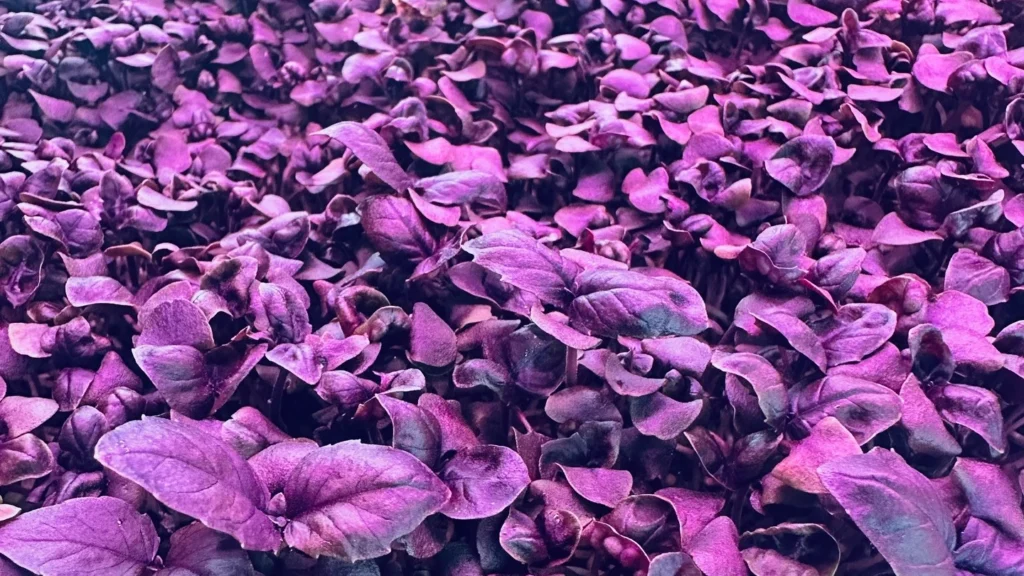
Deep purple leaves, clove like aroma, and a slightly spicy bite make purple basil microgreens one of the most exciting herbs you can grow at home.

In this guide you will learn exactly how to grow purple basil microgreens from seed, with the right 25 to 30 degree Celsius temperature range, simple organic potting mix, and moisture routine that keeps seedlings thriving.

You will also see how to use a few mature plants and cuttings to keep a constant supply coming.

Finally, you will get easy recipes and practical benefits so every fresh tray ends up on your plate, not just on your sunny kitchen windowsill week after week too.

Understanding Purple Basil Microgreens

What makes purple basil different

Purple basil microgreens come from a basil that does not stay green like the usual kitchen basil. The mature plant has deep purple leaves and purple stems. Even at the microgreen stage you see that dark pigment starting to show. As the plants grow on, they often become woody and upright, with long purple flower spikes. That upright habit is what growers often notice first when they see a mature purple basil bed.

The flavor is also a bit different from common sweet basil. Purple basil has a clove like taste with a slight spicy kick and is usually less sweet than the regular green types. When you harvest it young as a microgreen you still get that clove note but in a fresher and more delicate form. Instead of a heavy herbal taste, you get a light aromatic bite that lifts other ingredients rather than covering them.

Why the microgreen stage matters

When you grow purple basil as microgreens you are harvesting at a young stage where stems and leaves are still tender. You are not dealing yet with thicker woody stems that appear later in the life of the plant. That means the entire sprout is edible and pleasant to chew. You clip a mat of young plants and every part can go into salads, on toast or over warm dishes.

At this stage the leaves are small but already developing color. You may first see green with a purple tint, then the purple deepens as they get a little older under good light. Because you harvest early you can grow several trays in the time it takes one plant to reach full size in the garden. That short cycle makes purple basil microgreens a smart choice for people who grow in small spaces, especially indoors.

Benefits of Purple Basil Microgreens

Visual and flavor benefits

Purple basil microgreens bring strong plate appeal. Even a small pinch of those dark sprouts on top of a dish makes the food look more thoughtful and more gourmet. The contrast of purple leaves against pale pasta, bright tomatoes or creamy dips instantly makes plates look styled rather than casual. For food bloggers or home cooks who love presentation, these microgreens work almost like edible confetti.

Taste wise, the clove like and slightly spicy flavor comes through in a gentle way at the microgreen stage. You can use a generous amount without overwhelming the dish. A handful mixed into salad greens or scattered over roasted vegetables adds a fresh herbal layer without the heaviness that sometimes comes from too much mature basil. Because the flavor is not as sweet as other basil, purple basil microgreens pair well with citrus, tomato, cheese and olive oil in savory recipes.

Practical benefits for home growers

Growing purple basil microgreens at home has practical advantages too. You can raise them in shallow trays or even in a ten inch pot on a balcony or windowsill. The plants do not need a deep root zone at this stage so they fit in spaces where full size herbs would struggle.

Purple basil seed also has clear germination behavior that you can work with. Under the right temperature range and moisture, the seeds sprout reliably, which means a good success rate for beginners. Once you set up one tray successfully, it becomes easy to repeat on a schedule.

Because purple basil can also be propagated from woody stems through cuttings once plants are mature, you can build a long term supply system. Grow microgreens in trays while keeping a few plants going to full size for cuttings, leaves and flowers. That mix of quick microgreen harvests and slow long term plants gives a continuous herb supply from the same variety.

Seed Selection, Germination, and Ideal Conditions

Choosing good purple basil seed

For microgreens you want seed that is fresh, clean and true to type. Purple basil seed is small and usually dark. When you look closely at a pinch of seed in your hand, it should look fairly uniform with no obvious broken pieces or debris. Since some local purple basil varieties do not form obvious seed in the dried flower heads, like the woody type described from the highlands in Central America, it often makes sense to buy seed from a trusted source rather than relying on saved seed from unknown plants.

If you already have a strong parent plant of purple basil that you know performs well, you can still use that plant for cuttings or for microgreen production by letting some seedlings grow on. Then you rely less on seed every season and more on your own living stock.

Ideal germination temperature and light

Purple basil seed germinates best in warm conditions. An ideal temperature range for successful germination sits between 25 and 30 degree Celsius, which is about 77 to 86 degree Fahrenheit. Within this range the seed wakes up faster and roots start to form before any rot issues have a chance to set in.

Purple basil seed does not need light to germinate. That means you can safely cover the seed with a thin layer of the growing mix. The key is to cover lightly. If you bury the seed too deep the sprouts will struggle to reach the surface and may fail. A gentle sprinkle of the mix over the sown seed is enough to keep them in place and hold moisture.

Germination window and moisture

Under good conditions purple basil seed usually begins to germinate within about 5 to 14 days. At the early end of that range, you may see the first tiny sprouts breaking the surface in less than a week. By two weeks most viable seeds should have sprouted and you will have a fairly even green and purple carpet.

During this period the main job is to keep the top layer of the mix moist but not soaked. If the surface dries out completely, the emerging roots and shoots can die off. If it stays waterlogged, especially in cooler conditions, seed can rot before it germinates. Light but consistent moisture through gentle misting works best.

🌿 Recommended Microgreens Supplies
These are the tools and supplies I personally recommend for growing healthy and flavorful microgreens at home.
💡 Best Grow Lights 🌾 Best Growing Seeds 🪴 Best Grow Medium 🧵 Best Grow Mats 🧺 Best Growing Trays 🌿 Best Growing Stand 🌱 Best Microgreens Kit
As an Amazon Associate, I earn from qualifying purchases.

Preparing the Growing Medium

Basic mix and structure

Purple basil microgreens enjoy a well balanced growing medium that holds moisture but still drains freely. One simple and effective mix is made by combining one part garden soil, one part coco peat and one part vermicompost. This trio gives structure, water holding and nutrition in a balanced way.

Garden soil brings mineral content and weight so the seedlings have something to anchor to. Coco peat keeps the mix fluffy and improves moisture retention without becoming sticky. Vermicompost adds gentle nutrients from composted organic matter, which supports steady growth of the microgreens without burning tender roots.

Helpful additions for drainage and plant health

You can further improve the mix by adding smaller portions of supportive ingredients. One fourth part neem cake adds natural protection for the roots. It comes from the neem tree and is often used in soil mixes to discourage certain soil pests and support overall soil health.

Another one fourth part of vermiculite and one fourth part of perlite both help with air and water balance. Vermiculite holds water and makes the mix feel soft. Perlite is very light and full of tiny air pockets, which keeps the mix from compacting over time. Together these additions help the fine basil roots spread easily through the medium and access both air and moisture.

Moisture preparation and settling

Before you sow the seed it helps to pre water the mix thoroughly in the pot or tray you will use. Fill the container with the prepared mix, then water it until moisture reaches the bottom and excess water drains out through the holes. After that, let the container sit, ideally overnight.

This resting period allows the mix to settle and absorb water evenly. Air pockets collapse, dry spots disappear and you start the crop with a uniform moisture level from top to bottom. On the next day you can gently loosen only the very top layer before sowing. That creates a soft bed for seeds to sit in while the lower layers remain evenly moist.

Sowing and Early Growth

Sowing seeds evenly

To grow a nice dense mat of purple basil microgreens you want to scatter seeds evenly across the surface of the prepared mix. Take a pinch of seed between your fingers and move your hand back and forth over the tray in a light, steady motion. Try to avoid clumps of seed, as those areas may become too crowded and hold excess moisture, which can invite rot.

You are aiming for a seed layer that almost covers the surface when you look from above, but still leaves little gaps. That spacing allows each sprout to develop its own small stem and root system without too much competition in the first days.

Covering and first watering

Once the seeds are spread, cover them slightly with a thin layer of the same mix. The idea is to hide the seed but not bury it deep. You want the new shoot to be able to break through the surface easily.

For watering at this point, misting is safer than pouring. A gentle sprayer wets the top without pushing seeds into piles or washing them to the edges. After misting, the surface should look moist and dark, but not flooded.

Early placement and moisture care

For the first stage of growth it is helpful to keep the pot or tray in a semi shaded spot. The seeds do not need light to germinate and too strong sun can dry out the top layer quickly. A warm, bright place without direct harsh rays works best.

In the early days always keep an eye on the moisture level. The surface should never be bone dry. At the same time you want to avoid conditions where water sits on top or the mix feels soggy. In outdoor setups heavy rain can be a real threat at this stage. In one example, a strong rainy period that lasted a couple of days caused most of the young basil seedlings in a pot to die because they were not protected. This shows how sensitive small sprouts are to excess water and why some shelter is important. Under a roof edge, in a greenhouse or indoors near a window you have more control.

With steady warmth, gentle moisture and protection from harsh sun and pounding rain, you will start to see small purple basil sprouts rise through the surface within the expected germination window. Those first days set the foundation for a healthy, flavorful crop of purple basil microgreens.

Growing and Caring Until Harvest

What healthy sprouts look like

After about seven days in good conditions your purple basil tray starts to look alive in a real way. Tiny stems push up with small paired leaves at the top. At first you may see more green than purple. As the plants get a little older under decent light, color starts to deepen and the purple tint becomes more obvious on stems and young leaves.

Healthy sprouts stand upright and look firm. Leaves open flat and do not curl down or show glassy, wet patches. The surface of the mix stays clean without fuzzy growth. You might notice a fresh basil aroma already when you run your hand just above the tray. That fragrance is a good sign that plants are active and happy.

Adjusting light for strong color

Once most seeds have sprouted and leaves are open, you can begin to move the tray toward brighter light. If you keep them too long in a dim corner they will stretch up, become thin and pale and may fall over. A bright window, grow light, or a spot with morning sun works well.

Purple basil color responds to light. With enough brightness the purple pigment develops better and leaves become darker. Without it, plants can stay washed out. The key is to raise light levels step by step. Sudden harsh midday sun on very young sprouts can dry them out or scorch leaves. Moving them a little closer to the window each day or giving them a couple of hours of gentler sun works better than a sudden shift.

Watering and avoiding losses

Watering is where many growers lose microgreens. Purple basil likes steady moisture but does not forgive waterlogged conditions. If you are growing outdoors and leave a young tray out in heavy rain for a couple of days, you can lose most of the crop. That happened in one real example, where almost all seedlings died in about twenty days after strong rain because they were not protected and the grower could not tend them in time.

Indoors or under cover you have more control. Instead of pouring water on top every time, it often helps to mist the surface lightly and, when needed, water gently around the edges so moisture seeps inward. The mix should feel damp when you press it, but not muddy. If you notice seedlings falling over at the base, that can be a sign of too much moisture leading to stem problems. In that case, let the surface dry slightly before the next watering and improve air movement around the tray.

Keeping air and spacing in mind

Even though microgreens are sown fairly close, they still need a bit of breathing room. If you created very thick seed clumps in parts of the tray, those spots can hold more moisture and block air. Plants there can yellow or rot. Next time you sow, try to distribute seed more evenly to avoid these heavy patches.

Good air flow around the tray helps as well. A gentle fan in the room or even just an open window on mild days can reduce stagnant humidity. At the same time, avoid placing the tray right in front of a strong fan or air conditioner, as that can dry the surface too much.

Harvesting Purple Basil Microgreens

When to harvest for flavor and color

Purple basil microgreens are usually ready to harvest once they have a sturdy stem and the first true leaves start to appear above the initial seed leaves. At this point height is often in the range that feels nice between fingers when you pinch a small bunch. The color is noticeably richer than at sprout stage and the aroma is clear when you bring the tray near your face.

If you harvest too early you get less flavor and less texture. If you wait too long, stems begin to toughen and plants shift towards full seedling stage. The sweet spot is usually around the time when the tray looks like a dense mini forest and you feel tempted to start cutting every time you walk past it.

How to cut basil microgreens

For a clean harvest, use a sharp pair of scissors or a clean kitchen knife. Hold a small section of microgreens upright with one hand and cut just above the surface of the growing mix. Avoid pulling, as that can drag soil particles up into the leaves. Cut row by row across the tray until you have the amount you need.

Work with clean tools and clean hands. Purple basil has soft tissue at this stage, so a dull blade can crush stems. A crisp cut keeps the greens fresh and reduces damage. After cutting, check for any stray pieces of growing mix and gently shake or pick them off.

Using and storing your harvest

The best time of day to harvest is often in the cooler part of the morning. Plants are less stressed than in the heat of midday and hold water in their tissues better. Use the microgreens as soon as you can after cutting for the fullest flavor and best texture.

If you need to store them, place the dry, clean microgreens in a container lined with a paper towel. Keep the box in the refrigerator. Aim to use them within a few days. Because basil in general does not like very cold conditions, it helps to keep them in a slightly warmer part of the fridge, not pushed against the back wall.

Propagation Insights for Continuous Basil Supply

How mature purple basil grows

If you allow some of your purple basil seedlings to grow on instead of harvesting them as microgreens, you will see the plant’s full habit. Over time the stems thicken and turn woody near the base. The plant grows upright, sending side branches out from the main stem. Flower spikes form at the tips, covered with small purple flowers that catch the eye.

In some local purple basil types, especially in certain highland climates, the flower clusters do not hold obvious, easy to collect seed. When you rub the dry flowers between your fingers, you do not see the clear seed that many people expect. In such cases, the plant signals that it is better suited to vegetative propagation rather than seed collection for bulk growing.

Choosing and preparing cuttings

Once you have a strong woody plant, you can take cuttings to make more purple basil without relying on seed. Look for sections of stem that are not old and rough, but also not extremely thin and soft. Growers often find that medium young stems root better than very old wood or very soft new tips.

When you make a cut, place your blade close to the thicker part of the plant, rather than cutting in a way that leaves a long stub on the main stem. This habit keeps the parent plant neat and reduces waste. From one trimmed branch you can divide several shorter pieces.

For each cutting, remove any flower spikes or forming fruit. Flowers draw energy away from root formation. Keep only a few leaves on the upper part of the cutting. The lower part should have at least three nodes, since roots often form around these points once placed in the growing medium.

From one full purple basil plant handled in this way, you can easily prepare several dozen cuttings. Some growers manage in the range of thirty to up to seventy cuttings from a single session of pruning a well grown plant, especially when the plant has grown abundant branches.

Rooting cuttings for new plants

Prepared cuttings can be placed quite close together in a propagation box filled with a light, moist medium. Since basil cuttings are short and narrow, you can fit many of them in one container. It is possible to place around one hundred basil cuttings in a single box, as long as there is some space for air to move between stems.

The key is to plant them deep enough that several nodes are below the surface while the leaves stay above. Keep the box in a shady or semi shaded area with steady moisture. Covering the container with a clear plastic sheet or placing cuttings in a bag can trap humidity and reduce water loss from the leaves. This simple cover helps the cuttings stay turgid and encourages roots to form.

Once cuttings root and show new growth, you have fresh plants that can serve as future mothers for more cuttings or as sources of mature leaves. At the same time, you can keep sowing trays for microgreens. This cycle lets one variety of basil support both quick harvests and long term plants.

Simple and Delicious Recipes Using Purple Basil Microgreens

Purple basil microgreen pesto

A classic pesto gains a new twist when you use a mix of purple basil microgreens and a few mature leaves. The microgreens bring a bright herbal hit without too much heaviness, and the purple color gives a subtle tint to the sauce. Blend nuts, garlic, olive oil, grated cheese and a generous handful of microgreens with a smaller amount of full leaves. Add salt and adjust the thickness with more oil or a splash of pasta water.

Because the microgreens are tender, they blend smoothly and cling to pasta or toast easily. Add them toward the end of blending to keep the flavor fresh and the color lively.

Tomato and purple basil microgreen toast

For a quick snack, layer slices of ripe tomato on toasted bread, drizzle with olive oil and sprinkle with salt. Top with a large pinch of purple basil microgreens just before serving. The clove like and slightly spicy note of the basil cuts through the sweetness of the tomato and the richness of the oil.

You can add soft cheese or avocado under the tomato for a more filling version. The dark leaves on top make the toast look like a cafe plate even though it comes together in a few minutes in your own kitchen.

Creamy pasta with purple basil microgreens

Cook your favorite pasta shape and toss it with a light cream sauce made from sautéed garlic, a small amount of butter or olive oil and a splash of cream or milk. Season with salt and black pepper. Once the pan is off the heat, stir in a generous handful of purple basil microgreens. The residual warmth softens them slightly without making them limp.

Serve immediately with extra microgreens scattered on top. The herb note lifts the sauce and the purple leaves stand out against the pale pasta for an appealing contrast.

Citrus salad with purple basil microgreens

Build a simple salad base from crisp greens, sliced oranges or other citrus segments and perhaps thin slices of red onion. Toss with a dressing made from citrus juice, olive oil, a little honey or maple syrup and salt. Just before serving, fold in purple basil microgreens.

The clove like edge of the basil plays nicely with the bright tang of the citrus. Instead of being a background herb, the microgreens become a clear part of each bite. This salad works well as a side for grilled fish, roasted vegetables or simple grilled chicken.

Growing Rhythm and Practical Tips

Staggered sowing for steady supply

If you want purple basil microgreens on hand most weeks, treat sowing as a regular habit instead of a one time project. For example, you might start a small tray every week or every ten days. Each tray passes through germination, early growth and harvest while the next one is just getting started.

Because basil seeds usually sprout within a window of 5 to 14 days, this staggered approach means that as one tray reaches its best harvest stage, the next tray is close behind. You avoid having a huge harvest all at once and then nothing for weeks.

Pairing trays with propagated plants

While you enjoy your microgreen harvests, keep a few purple basil plants growing on in larger pots. These can come from the strongest seedlings or from rooted cuttings. Use them as your long term herb supply for full leaves, flowers for decoration and new cuttings.

Any time a plant gets tall and woody, trim it back in a way that gives you more cuttings. Root those cuttings in a propagation box and then select the best new plants for future stock. In this way your microgreen trays and your plant pots support each other. Seeds start the system, then cuttings keep it going.

Keeping plants productive through the seasons

Pay attention to temperature and water across the year. During warm months that fall in the 25 to 30 degree range, germination and growth will feel easy and fast. In much cooler times, you may need indoor space or a simple warm corner to keep your cycle going.

Protect young trays from heavy rain, strong wind and sudden sun exposure. Give mature plants enough room in their pots and regular pruning so they do not become tall and bare at the base. With this balance of care at microgreen and full plant stages, purple basil becomes a steady presence in your kitchen rather than a short seasonal treat.

Leave a Comment

Your email address will not be published. Required fields are marked *