
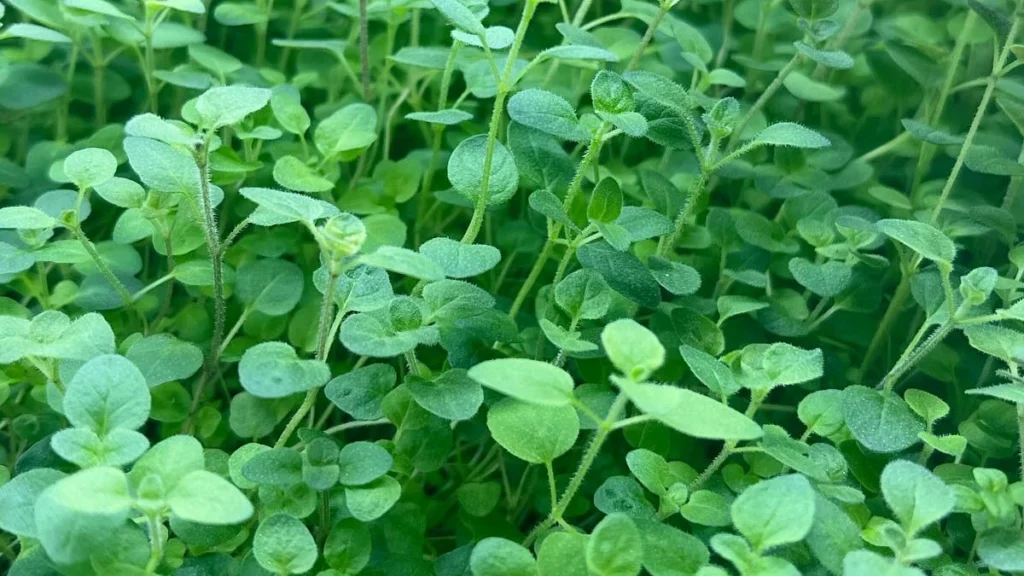
I mean, if you already enjoy sprinkling dried oregano over pasta or pizza, growing oregano microgreens brings that same familiar flavor but in a fresher, brighter form. They are small, aromatic, and incredibly easy to grow indoors, even if you only have a shelf or countertop to spare. Oregano microgreens develop their signature scent early, long before the plant becomes tall or woody. That means you can harvest fragrance and flavor in just a couple of weeks instead of months.
They naturally fit into tomato dishes, soups, salads, eggs, roasted vegetables, and Mediterranean-inspired meals. With just a small tray, you can create a constant supply of this herb without stepping outside. Once you learn the rhythm of watering, seeding, and ventilation, oregano microgreens become one of those crops that quietly continue to serve you week after week.
What Makes Oregano Microgreens Unique
Oregano microgreens stay short and compact, which makes them different from many fast-growing greens. Their energy goes straight into leaf aroma rather than height, so you end up harvesting concentrated flavor instead of bulky greens. This is incredibly useful for home growers who want the most taste per square inch.
The seeds are tiny, much finer than most culinary herbs. Because of this, the planting process requires more patience. When seeds are poured too quickly, they cluster in one corner of the tray. These clumps trap moisture and restrict airflow, creating conditions that can encourage fungal problems later. When seeds are spread slowly and evenly, the seedlings develop with better spacing and healthier airflow.
Another defining trait is longevity. Oregano can sit in the tray much longer than quick microgreens like radish or broccoli. Instead of harvesting the entire tray at once, you can trim as needed and leave the rest for future meals. With this longer lifespan comes the need for better ventilation. If the foliage becomes too thick and air cannot circulate, a soft powdery film may begin to form on the leaves. Regular thinning prevents this and gives each plant room to breathe.
Oregano also has an interesting cultural background. In ancient Greece, it symbolized joy and harmony. There were even beliefs that applying oregano could bring dreams of future partners, which adds a charming touch for content creators who enjoy weaving small stories into their gardening guides.
Nutritional Benefits of Oregano Microgreens
Oregano is naturally rich in plant compounds such as thymol, carvacrol, and rosmarinic acid. These compounds have been studied for their antioxidant and antimicrobial properties, supporting the body in reducing oxidative stress and maintaining overall wellness. Some analyses rank oregano among the more antioxidant-dense culinary herbs, which explains why it has been valued historically for flavor and health.
Microgreens, in general, are known for having concentrated nutrition. Studies on young greens show that certain microgreen varieties can hold four to forty times the vitamin and antioxidant levels of their mature counterparts. While the exact values differ among species, the pattern is consistent. The early growth stage stores nutrients in the first leaves as the plant prepares for larger development.
This means oregano microgreens may offer an even more concentrated form of the beneficial compounds already present in mature oregano. A small handful added to a meal can deliver a meaningful amount of antioxidant support. Their natural antimicrobial traits also support gut balance and general wellness when part of a varied diet.
Because oregano can be strong for some people in supplement form, it is always appropriate to remind readers that anyone using concentrated extracts or high-dose preparations should speak with a health professional. Fresh microgreens, however, are generally used as a culinary ingredient and fit into everyday meals easily.
What You Need to Grow Oregano Microgreens Indoors
Growing oregano microgreens does not require a complicated setup. A shallow tray, good-quality growing medium, oregano seeds, a clear humidity dome, and a steady light source are enough to get started. The key is consistency.
The tray should be filled about three-quarters full with pre-moistened medium. This depth allows root growth while keeping the tray lightweight and manageable. The medium should be evenly moist, not wet. When you press lightly with your fingers, it should feel damp throughout.
Since oregano seeds are extremely fine, you will benefit from taking your time during sowing. Even coverage is essential because dense areas limit airflow and create pockets of trapped moisture. A teaspoon of seed is typically enough to cover a standard tray used for microgreens. Anything more tends to create mats that stay too wet.
A small amount of sifted medium should be kept nearby for covering the seeds. This layer acts as insulation and helps maintain moisture around the seed surface, but it must be very light. Deep covering slows emergence and may prevent some seeds from sprouting at all.
The humidity dome plays an important role in the first few days. Choose one with vents so you can control airflow. Keeping vents closed initially maintains moisture for germination. As soon as the young plants begin to push up, the vents can be opened to prevent excess humidity. This early adjustment is a simple but effective way to reduce fungal pressure.
Steady lighting is the final essential. Oregano microgreens respond well to twelve to fourteen hours of moderate light each day. LED grow lights work well because they deliver consistent brightness without adding too much heat.
🌿 Recommended Microgreens Supplies |
Step by Step: How to Grow Oregano Microgreens
Step One: Prepare the Tray
Fill your tray to about three-quarters of its depth with pre-moistened growing medium. Smooth the surface gently with your hand so the seed will lie evenly. The goal is to create a level bed where moisture can move consistently from one side of the tray to the other. This helps prevent dry corners or overly damp sections.
Step Two: Sow Oregano Seeds Evenly
Measure about one teaspoon of oregano seeds. Move slowly across the tray, allowing the seeds to fall in a fine, even sprinkle. Watch the surface as you go. If you see empty patches, return and touch them up. If clusters appear, gently separate them with a fingertip. This careful seeding stage ensures healthier, more uniform growth later.
Step Three: Cover Lightly With Sifted Medium
Sprinkle a very thin layer of sifted medium over the seeds. This should be just enough to slightly hide the seed color. You are giving the seeds a protective blanket, not burying them. If you press lightly on the surface, the seeds should still be close enough to the top that seedlings can emerge easily.
Step Four: Use the Humidity Dome Correctly
Place the clear dome on the tray and keep the vents closed in the beginning. This traps moisture and helps the seeds begin their germination cycle. On the second day, start opening the vents gradually. This small change maintains humidity while allowing fresh air to circulate. The dome can stay on for five to six days or until you see the young oregano pushing through the surface.
Step Five: Watering Oregano Microgreens
After sowing and covering, give the tray its first watering. Bottom watering works well for oregano because it avoids disturbing the fine seeds. Once the surface feels evenly damp, you can allow the tray to rest until it needs watering again. Indoors, the schedule often comes to once every four days, depending on humidity and temperature.
Check moisture with your fingers rather than by looking at the surface alone. If the top layer feels dry, it is time to water. Oregano microgreens prefer consistent moisture but do not tolerate sitting in water. Keeping the medium damp rather than saturated helps prevent root problems and surface issues.
Step Six: Provide Light and Maintain a Stable Environment
When the seedlings break through the surface, they need steady light. Provide twelve to fourteen hours of gentle brightness each day. If the seedlings lean heavily in one direction or seem to stretch upward, the light may be too far away. Adjust the distance until the plants grow evenly.
A stable indoor temperature is enough for oregano microgreens. They do not need extra heat. Avoid placing trays in drafty areas or near strong heat sources that dry the surface too quickly.
Step Seven: Encourage Healthy Airflow
Once the dome is removed, airflow becomes even more important. Gentle air movement keeps moisture from settling on leaves and discourages powdery growth. A small fan on a low setting placed at a distance can help, or you can rely on natural room airflow if the space is ventilated.
By the end of two weeks, the microgreens usually have their first true leaves and a recognizable oregano aroma. You can begin harvesting small amounts at this stage, trimming what you need and allowing the rest to continue growing.
Step Eight: Reduce the Risk of Powdery Mildew
Since oregano can remain in the tray longer than other microgreens, maintaining airflow and spacing is essential. If sections become too thick, trimming or thinning helps keep air moving between stems. Keeping the medium from staying overly wet also helps protect the foliage. With these simple adjustments, oregano stays clean and productive for an extended period.
Harvesting Oregano Microgreens
Harvesting oregano microgreens feels different from fast crops because they stay short and compact. You are watching for leaf development rather than height. Once the first true leaves appear and the aroma becomes noticeable, you can begin taking small cuts. This usually happens around the two-week mark, though growth may shift slightly based on room temperature and lighting.
Use clean scissors and cut just above the surface of the growing medium. Gently hold the tops as you trim so the stems stay clean and do not fall back into the tray. Oregano continues to hold its flavor even when harvested young, so you do not need to wait for tall stems or dense foliage.
You can take a partial harvest and let the rest continue growing. This is one of the advantages of oregano. The plants do not deteriorate quickly, and with steady airflow and careful watering, they maintain quality for a longer window. If you see very dense clusters after a few rounds of cutting, thinning, or reshaping, the tray helps keep growth fresh.
Because oregano microgreens are fragrant, you will notice the aroma intensifies immediately after trimming. You can use them fresh in recipes, or allow them to dry slightly for a softer, herb-like texture.
Flavor Profile and Culinary Uses
Oregano microgreens carry a gentle, aromatic flavor that is less sharp than dried oregano. They taste warm, slightly minty, and pleasantly earthy. The flavor builds quickly in the mouth without overwhelming other ingredients. This makes them ideal for finishing dishes rather than cooking them for long periods.
They pair especially well with tomato-based meals. A small handful on top of warm marinara gives the dish a fresh lift. They also complement roasted vegetables, grilled chicken, flatbreads, soups, and salads. In the morning, you can fold them into eggs or sprinkle them on avocado toast. Their soft stems and young leaves blend easily into dips, salad dressings, and fresh herb sauces.
Because they hold their aroma so well, oregano microgreens are perfect for last-minute garnishes. Adding them right before serving keeps their oils intact and gives the dish a bright, herbal finish.
Recipes Using Oregano Microgreens
Tomato Bruschetta with Oregano Microgreens
Chop ripe tomatoes and mix them with olive oil, a pinch of salt, minced garlic, and a squeeze of lemon. Spoon the mixture onto toasted bread and finish with a generous handful of oregano microgreens. The warmth of the toast releases the herbal aroma instantly.
Lemon Oregano Microgreen Pasta
Prepare your favorite pasta and toss it with melted butter, lemon zest, and a bit of grated cheese. Add oregano microgreens at the end while the pasta is still warm. They wilt lightly into the sauce and create a bright, fragrant layer.
Oregano Omelet Fold
Cook a soft omelet and sprinkle oregano microgreens inside before folding. They bring a pleasant herbal note without overpowering the eggs. You can also pair them with a bit of cheese for a fuller flavor.
Greek Style Salad with Fresh Oregano Greens
Combine cucumbers, tomatoes, olives, and feta. Add oregano microgreens just before serving. Their aroma blends naturally with the tangy cheese and vegetables, giving the salad a fresh Mediterranean feel.
Fresh Pizza Topping
Bake the pizza as usual and add oregano microgreens once it comes out of the oven. The residual heat releases their scent without cooking them down. This works beautifully with Margherita, vegetable, or white pizzas.
Storage Tips for Oregano Microgreens
Oregano microgreens store well when handled gently. After harvesting, keep them loosely packed in a breathable container. A simple paper towel placed at the bottom helps absorb small amounts of moisture and keeps the greens dry.
Avoid washing them before storage. Instead, rinse only right before use. When stored properly in the refrigerator, they can remain fresh for five to eight days. Because they are aromatic, it is helpful to keep them in their own container to prevent scent transfer to other produce.
If you want to store them longer, you can dry small amounts by spreading them out on a clean cloth and allowing them to air dry. The result is a delicate dried herb that still carries some of the fresh flavor notes.
Troubleshooting Common Issues
Poor Germination
Uneven seeding or burying seeds too deeply can slow germination. Oregano seeds need only a light dusting of medium. If you notice patchy growth, adjust your sowing method next time and spread seeds more slowly.
Slow Growth
Oregano is naturally slower than many microgreens. If growth seems delayed, make sure your lighting is steady and bright enough. Low light is a common reason for sluggish development.
Yellowing Leaves
This usually indicates that the young plants are not receiving enough light. Bringing the light source slightly closer or increasing daily hours often corrects this.
Powdery White Film
This can happen when air circulation is too low or the tray stays overly damp. Improve ventilation by spacing plants, thinning dense areas, or using a gentle fan. Avoid watering from above once the seedlings are established.
Overcrowded Areas
If seeds pile up during sowing, the resulting dense clusters may trap moisture. Removing a few stems from crowded patches improves airflow and keeps the plants healthy.
FAQs
How long do oregano microgreens take to grow?
They typically take around two weeks to reach the stage where the first true leaves appear, and the flavor is ready. They grow more slowly than many microgreens but reward you with steady, aromatic harvests afterward.
Can oregano microgreens grow without a humidity dome?
They can, but using a dome improves germination by keeping moisture stable. The vents can be opened after the second day to balance humidity and airflow.
Why do my oregano microgreens develop a white powdery layer?
This usually comes from still air or overcrowding. Improve airflow, thin dense spots, and avoid overwatering to prevent this.
Do oregano microgreens regrow after cutting?
You can harvest them in stages, but they do not regrow indefinitely like mature herbs. After a few rounds of cutting, the tray naturally slows down.
Do oregano microgreens taste like mature oregano?
They taste similar but fresher and softer. The flavor is concentrated yet not as sharp as dried oregano.
Which type of oregano seed works best for microgreens?
Both Greek and Italian oregano varieties grow well. The choice depends on the flavor profile you prefer. Greek oregano tends to be more robust, while Italian oregano has a milder tone.