
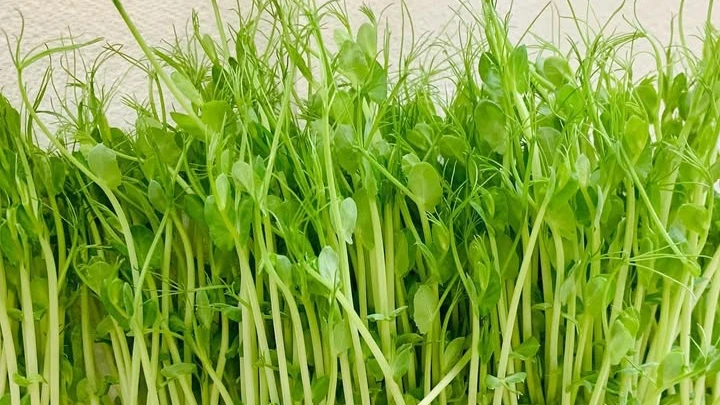
If you’re looking for something that packs serious flavor and earns a spot in high-end kitchens, cilantro microgreens are it. These tiny greens are bold, fresh, and surprisingly easy to grow once you understand what they need.
With their intense aroma and rich taste without the soapy bite that full-grown cilantro sometimes has, they can turn a simple taco, salad, or soup into something unforgettable.
They might take a little longer to grow than other microgreens, but the results are worth the wait. From their market value to their vibrant green pop on a plate, cilantro microgreens are a smart choice for growers who care about quality 🌿🔥💧
Benefits and Challenges
Benefits
Cilantro microgreens offer several compelling advantages that make them worth the added effort compared to other microgreens:
Intense flavor and aroma: These microgreens are known for delivering the full flavor of mature cilantro in a compact form. They are often described as “cilantro on steroids” and lack the soapy taste that mature cilantro sometimes has. This makes them excellent for culinary use in small but flavorful quantities.
High demand across markets: Cilantro microgreens are versatile and appeal to a broad customer base. While some microgreens like broccoli tend to perform best in retail environments, cilantro has widespread appeal. It is in demand at restaurants, grocery stores, health food outlets, and local farmers’ markets. This multi-channel market access increases your chances of turning a profit, especially if you’re producing at a small commercial scale.
Premium pricing per unit: Though the yield per tray is lower than that of faster crops, the retail value compensates. A typical 10×20 tray yields 120 to 160 grams (4 to 6 ounces), and each ounce-sized clamshell can sell for $4 to $5, depending on the customer and region.
Challenges
Longer crop cycle: Cilantro microgreens take between 15 and 18 days to mature, depending on the temperature in the grow area. This is about twice the time required for quick crops like radish, peas, or mustard. That extended cycle means more time before you get a return on each tray, which can impact profitability if not carefully planned.
Greater sensitivity to environment: Cilantro prefers cooler temperatures between 70°F and 80°F (21 to 26°C). Once temperatures rise above 28°C (82°F), germination and growth suffer significantly. This makes it a poor candidate for hot greenhouses or outdoor summer growing unless climate control is available.
Susceptibility to mold and disease: Cilantro microgreens are more prone to mold and damping-off diseases, especially in high-humidity or low-ventilation environments. They also have more persistent seed hulls that can cling to the leaves, reducing visual appeal and marketability.
Despite these challenges, the competitive advantage of offering cilantro microgreens in undersupplied markets can offset the risks. Most growers avoid them because of these complexities, which creates a unique opportunity for anyone willing to master the process.
Choosing the Right Cilantro Seeds
The first step to growing successful cilantro microgreens is choosing the right type of seed. Cilantro seeds, commonly known as coriander in culinary terms, are actually seed pods that contain two individual seeds inside. This detail has important implications for both yield and germination success.
There are two main seed types available for growing cilantro microgreens:
1. Whole Coriander Seeds
These are the traditional round coriander seeds used in cooking, especially in Indian and Middle Eastern cuisine. Each seed is technically a schizocarp, which means it contains two embryos. When planted, one whole seed can produce two sprouts. This can increase plant density naturally, but also makes germination more inconsistent because the seed coat must split for both shoots to emerge.
2. Monogerm or Leisure Split Seeds
These seeds are mechanically split before packaging. This process separates the twin embryos, resulting in single seeds that each produce one sprout. Monogerm seeds tend to have higher and more uniform germination rates, as the exposed seed interiors absorb water and activate faster.
In multiple trials and experiences shared by growers, monogerm seeds consistently outperform whole coriander in terms of consistency and overall tray health. They are especially helpful for new growers who are just learning the ropes. Monogerm seeds are widely available from trusted suppliers like Johnny’s Selected Seeds and True Leaf Market under the name “Leisure split cilantro.”
If maximizing germination success and minimizing variation are your priorities, monogerm is the clear choice. While slightly more expensive, they offer better reliability, especially when growing for commercial sales.
Ideal Growing Environment
Cilantro microgreens are more particular about their environmental conditions than most fast-growing crops. Managing temperature, humidity, and airflow is essential not only for healthy growth but also to prevent disease and ensure consistent harvests.
Temperature
Cilantro microgreens grow best between 70–80°F (21–26°C). In this range, the seeds germinate well, and the plants develop strong stems and vivid green leaves. At temperatures above 28°C (82°F), growers often report poor germination, thin stems, and increased mold development. This sensitivity makes cilantro less suitable for greenhouses during summer unless cooled artificially.
Humidity
Unlike crops like basil or sunflower, cilantro prefers a relatively low humidity range of 35–50%. High humidity increases the risk of damping-off, a common fungal disease that causes seedlings to collapse. Keeping the air dry and well-circulated will go a long way in preventing these issues. This is particularly critical during the first week of growth when the plant tissues are most vulnerable.
Lighting
After the initial blackout period (about 6–7 days), cilantro microgreens need strong light to thrive. A recommended setup is to use three grow lights for every four trays. This ratio provides enough intensity to promote healthy photosynthesis and strong leaf development. Weak lighting leads to leggy, pale shoots that have lower nutritional value and reduced flavor.
Airflow and Ventilation
Air circulation plays a key role in keeping humidity levels manageable and preventing stagnant air, which encourages mold. Even a basic fan setup can improve air movement and reduce disease incidence. For commercial-scale operations, a system of oscillating fans and filtered ventilation will dramatically increase overall tray health.
By carefully managing these environmental factors, growers can significantly increase the success rate of cilantro microgreens and reduce the likelihood of loss due to mold or stress.
🌿 Recommended Microgreens Supplies |
Soil Preparation and Tray Setup
A strong, healthy cilantro microgreen crop begins with optimal soil and tray preparation. Unlike hydroponic systems that work well for fast-growing microgreens, cilantro performs best in a high-quality soil-based medium due to its longer growth cycle and higher nutrient demands.
Best Soil Mix: Super Soil Recipe
The most recommended growing medium is a custom Super Soil mix, which combines:
- Gaia Green 4-4-4 organic fertilizer
- Pro-Mix HP or MP base soil
This mix provides a well-balanced nutrient profile along with superior aeration and water retention, which are critical for cilantro’s extended 15–18 day growth period. The combination also helps reduce compaction, allowing roots to expand and access nutrients efficiently throughout the tray.
This Super Soil mix is preferred by many professional growers and has been tested over years of production. Its effectiveness becomes even more evident with microgreens like cilantro that are sensitive to both moisture levels and nutrient availability.
Filling and Preparing Trays
Once the soil is mixed, fill standard 10×20 microgreen trays with approximately 1.25–1.5 inches of moistened soil. Level the surface evenly and compress it gently to eliminate air pockets. Uneven surfaces can cause inconsistent germination and make stacking difficult.
Ensure the soil is moist but not waterlogged—it should be heavier than dry soil but not dripping wet. Over-saturating the soil at this stage can increase the risk of damping-off and poor germination.
Bottom trays (with no holes) should be paired with the top trays (with holes) to allow for stacking and bottom watering. This reduces soil disturbance and helps maintain a more stable environment for the roots.
Seeding and Density Guidelines
Cilantro seeds are larger than most microgreen seeds, and due to their unique structure (dual embryos or split monogerm), they require precise attention when it comes to seeding density and distribution.
Recommended Seeding Rate
The ideal starting point for cilantro microgreens is 20 grams of seed per 10×20 tray. This density provides enough coverage to produce a lush, full tray while minimizing the risk of mold and overcrowding. Going beyond this amount is possible, but each additional gram adds pressure to your system:
- Higher seeding = higher yield
- But also = higher risk of mold and reduced airflow
Unless you’re using a tool for precision seeding, stick to 20 grams for best results.
Seeding Method
For even seed distribution, it’s highly recommended to use a seeding tool such as the Little Green Seeding Machine. This device ensures that seeds are spaced consistently, which reduces overcrowding and promotes healthier growth. Hand-seeding can work, but it often results in clumping and uneven coverage, which leads to patchy growth or mold hotspots.
After spreading the seeds:
- Cover the seeds with a thin layer of fine vermiculite. This not only holds moisture evenly across the tray but also helps prevent mold and assists in hull removal later.
- Mist the top gently to moisten the seeds and the vermiculite.
- Avoid overwatering at this stage. The goal is to encourage soft germination, not flooding.
Germination and Stacking Process
The germination phase is one of the most critical steps in the cilantro microgreen life cycle. Getting it right sets the stage for uniform growth and reduces disease risk.
Germination Duration
Cilantro seeds typically germinate in 5–6 days. However, to improve hull removal and achieve stronger sprout development, it’s advised to keep the trays stacked for a full 6–7 days.
Stacking involves placing trays on top of each other, with added weight on the top tray to simulate natural soil pressure. This darkness and weight help:
- Force roots downward and shoots upward
- Improve overall uniformity of growth
- Loosen seed hulls for easier removal
Hull Removal Tips
Cilantro is notorious for retaining its seed hulls, which reduces visual appeal and marketability. Two key methods significantly reduce this issue:
- Daily misting during the stacking period keeps the seed coats moist, making it easier for the seedlings to shed them.
- Extending the stacking period by an extra day (up to Day 7) gives the emerging shoots more leverage to push off the hulls under pressure.
This strategy has been tested by many commercial growers and dramatically improves the final product quality.
Lighting and Watering Post-Germination
After 6–7 days of stacking, your cilantro microgreens are ready for light and water management. At this stage, your focus should be on providing strong, balanced light and consistent moisture without waterlogging the roots.
Lighting Setup
Use three high-quality grow lights for every four trays. This ratio ensures that all trays receive enough light for optimal photosynthesis, even at the edges. Cilantro needs intense light after germination to:
- Develop strong stems
- Form vivid green leaves
- Maximize nutrient density and flavor
Low light conditions can cause spindly, pale shoots and reduce the yield significantly.
Watering Schedule
Watering should now shift to bottom watering to prevent mold and protect the tender seedlings:
- On Day 1 under lights, add about 500 ml of water to the bottom tray.
- From there, increase to 1 liter every other day depending on your humidity and temperature.
- Always monitor the trays: the topsoil should feel moist but not wet, and the tray should have a moderate weight.
Overwatering is a common issue with cilantro. The root system doesn’t tolerate saturation well, especially in warm or humid conditions. Make minor adjustments as needed, depending on whether your trays feel dry or heavy.
Harvesting Techniques
Cilantro microgreens are ready to harvest when they reach their true leaf stage, typically between days 15 and 18, depending on your grow space temperature. At this point, they display the classic cilantro leaf shape, have a strong aromatic fragrance, and exhibit rich green coloration.
When to Harvest
- At 15 days: If your environment is warm (around 80°F / 26–27°C)
- At 18 days: If you’re in a cooler space (around 70°F / 21°C)
Check that the tray is full and lush, and inspect for signs of mold, overgrowth, or stunted development before harvesting. A ready tray will have uniform height, dense coverage, and firm stems.
How to Harvest
- Use a sharp knife or stainless-steel scissors. A sharp tool prevents bruising or crushing the tender stems.
- Hold the microgreens upright gently with one hand and slice just above the soil line with the other.
- Do not pull or rip the greens from the soil, as this can drag up soil particles and increase post-harvest contamination.
After harvesting, place the cilantro in a container lined with a dry paper towel or directly into clamshells. Avoid washing unless necessary—dry cilantro microgreens last longer in storage and retain more flavor.
Expected Yields and Packaging
Cilantro has lower yields compared to faster-growing microgreens like pea shoots or radish, but it makes up for it with higher retail value and extended shelf life if stored properly.
Average Yield
- From one 10×20 tray seeded with 20 grams of cilantro seed, expect a harvest of 120 to 160 grams of microgreens.
- The yield may increase slightly with higher seeding rates, but only if managed with optimal spacing and disease control.
Note that cilantro’s slower growth cycle and higher sensitivity make yield consistency more variable than other crops. Regular monitoring and disciplined environment control are essential for stable output.
Packaging Suggestions
The most common packaging unit is a 1-ounce (28g) clamshell, which is:
- Convenient for retail customers
- Easy to price and label
- Perfect for home cooks and chefs
You can expect 4 to 6 clamshells per tray. Use clear, vented containers to prevent moisture buildup. Proper labeling with harvest date, variety, and storage instructions enhances the product’s marketability.
Profitability and Market Demand
Despite its lower yield and longer crop cycle, cilantro microgreens can be a profitable addition to a grower’s portfolio due to their broad market appeal and premium pricing.
Why It’s Worth Growing
- Cilantro microgreens are in demand across all customer segments:
Restaurants, farmers’ markets, grocery stores, and direct-to-consumer sales. - Unlike niche microgreens (e.g., amaranth or purple basil), cilantro is familiar and widely loved for its punchy flavor and vibrant presentation.
Market Pricing and Revenue
- Retail price per clamshell (1 oz): $4 to $5 USD
- Revenue per tray: 4 to 6 clamshells = $16 to $30
- Average cost per tray (soil, seed, electricity): $2.50 to $3.50
- Net profit per tray: $12.50 to $26.50
While it’s less profitable per cycle than one-week crops like radish or broccoli, you can charge more per ounce for cilantro due to its longer growth time and specialty appeal.
Also, since fewer growers offer cilantro microgreens (due to its difficulty), entering this space gives you a competitive edge in many markets.
Common Issues and Troubleshooting Tips
Cilantro microgreens are more prone to certain challenges than beginner crops. Understanding these potential problems can save your crop from mold, low yield, or crop failure.
Common Problems and Solutions
1. Mold or Damping Off
- Cause: High humidity, overwatering, or poor airflow
- Fix:
- Use fine vermiculite to cover seeds during seeding
- Keep humidity between 35% and 50%
- Bottom-water only and avoid saturating the soil
2. Seed Hulls Not Falling Off
- Cause: Dry conditions during germination or insufficient stacking pressure
- Fix:
- Mist seeds daily while stacked
- Extend stacking to 6–7 days for better hull shedding
3. Uneven Germination or Patchy Growth
- Cause: Uneven seed distribution or inconsistent moisture
- Fix:
- Use mechanical seeders for an even spread
- Monitor and adjust moisture daily, especially during germination
4. Yellow or Spindly Shoots
- Cause: Insufficient lighting
- Fix:
- Use 3 LED grow lights per 4 trays for full coverage
- Ensure light is within the optimal PAR range and positioned properly
Bonus Tip
If your grow space consistently runs above 28°C (82°F), consider pausing cilantro production in summer or heavily rely on climate control. Cilantro microgreens struggle to germinate and thrive in excessive heat, which can reduce yield and flavor.