
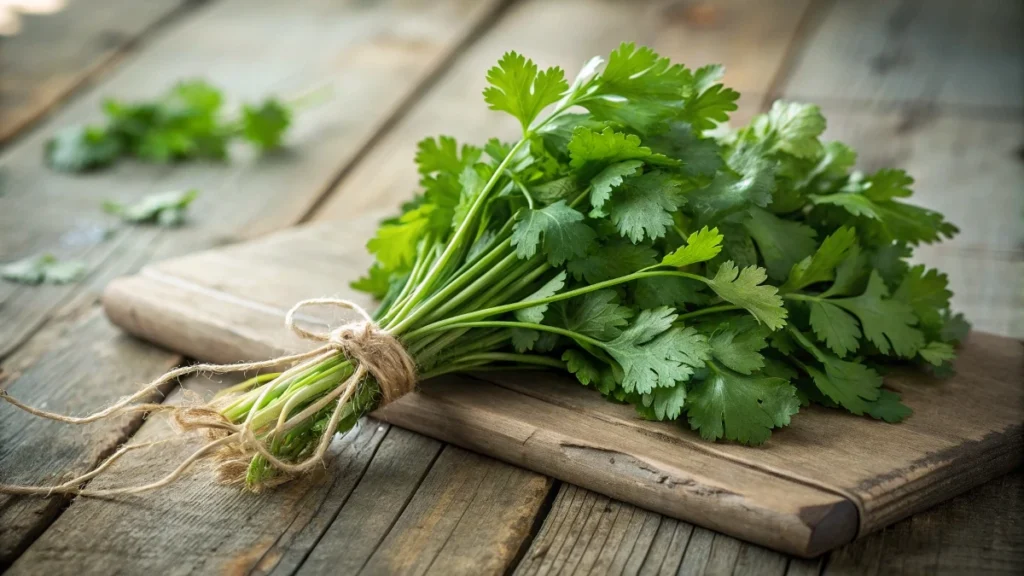
Coriander microgreens are one of the easiest and most rewarding herbs you can grow at home. Packed with vitamins A, C, K, folate, calcium, and iron, they are more nutrient-dense than mature leaves and add fresh flavor to salads, smoothies, chutneys, and everyday dishes.
Whether you use a simple soil and cocopeat mix or modern hydroponic methods, coriander microgreens thrive indoors with very little space and care.
They germinate quickly, grow in just a few weeks, and can be harvested multiple times with the right technique.
Learning how to grow coriander microgreens at home gives you a clean, organic, and affordable source of greens year-round while boosting your health and making your meals more flavorful and colorful.
Nutritional Benefits of Coriander Microgreens
Coriander microgreens deliver a concentrated burst of fresh aroma along with meaningful nutrition. They supply vitamin K for normal blood clotting and bone support, vitamin C for immune function, and vitamin A precursors that contribute to healthy vision and skin. You also get folate, iron, potassium, calcium, and a modest amount of plant protein. Beyond vitamins and minerals, coriander contains aromatic compounds such as linalool and other terpenes that give the herb its distinctive flavor and contribute antioxidant activity. Research on microgreens in general shows that early growth stages often concentrate certain nutrients and phytochemicals compared with mature leaves. That means a small handful can meaningfully lift the nutrient density of a salad, sandwich, or smoothie without adding many calories.
From a practical kitchen point of view, these greens pair well with citrus and yogurt because the vitamin C in those foods helps your body absorb non-heme iron from plants. If you are watching sodium, coriander microgreens add a bright flavor that lets you season more lightly. Since they are eaten raw, rinse gently in cool water just before using and add at the end of cooking so heat does not diminish delicate vitamins and aromas.
Methods to Grow Coriander Microgreens at Home
Soil and cocopeat mix method
This approach relies on a simple tray system and a one-to-one growing blend. Use two trays that fit together. The upper tray needs holes for drainage. The lower tray acts as a reservoir and keeps your countertop clean. Fill the upper tray with a one-to-one mixture of potting soil and cocopeat. Lightly mist your coriander seeds so the seed coat softens, then scatter them evenly across the surface. Cover with a very thin layer of the same soil and cocopeat mix. The covering should just hide the seed but still let air reach it.
Moisture management is the key. Use a spray bottle to keep the top layer evenly moist without waterlogging the tray. Seedlings emerge first with cotyledons and then with their first true leaves. For a fast supply of microgreens, harvest once the first true leaves appear by snipping just above the surface. If you want continued growth, cut above the node so plants can push new shoots. Some growers cut roughly two inches above the surface to leave enough stem that regrowth is quicker. Seasonal care matters. In cool months, move the tray to a warmer spot, such as near a bright balcony,ny to support germination. In hot months, keep the tray away from hard sun on the balcony so humidity stays high,r and seedlings do not wilt.
Hydroponics with cocopeat support
This water-centered method replaces the soil tray with a water reservoir and a perforated basket that holds cocopeat as the support medium. A practical container size is around twenty liters. If you can collect rainwater, use it. Otherwise, use reverse osmosis water or let tap water stand in an open container before use so chlorine can dissipate. Place a plastic basket or colander above the water so roots can grow down while the cocopeat keeps stems upright. Press coriander seeds into the moistened cocopeat so they make contact but still breathe.
Keep the setup in semi-shade so the medium does not dry rapidly. Mist the cocopeat surface feels dry. Sprouting can take fifteen to twenty days, depending on temperature and seed vigor. Replace the water about once a week to keep it fresh. At each change, we add nutrients. An organic option is a kitchen compost extract brewed in water and strained after several days. A simpler option is to mix a small amount of vermicompost in clean water and pour that into the reservoir. Because this is a water environment, gentle cleanliness pays off. Rinse containers during water changes and avoid overfilling so the basket stays stable.
Hydroponics with crate system
This variant uses a shallow crate with many small holes that sits on a water-filled bucket. The holes allow roots to explore the water while a thin cocopeat bed on top holds the seeds. Preparing the seed improves consistency. Soak coriander seeds for about twenty-four hours. Drained seeds swell slightly and start quickly. Spread a half-inch layer of cocopeat in the crate and mist it so it settles. Sprinkle the soaked seeds evenly with space between them and avoid overlapping. Fill the bucket and place the crate so the bottom surface just touches the water. You can confirm contact by lifting the crate slightly. If the water barely ripples, there may be a gap. Add a little more water until contact is certain. That contact keeps the cocopeat evenly moist through capillary action.
Keep the system in a bright spot without harsh midday sun. Germination often begins around day five or six, with most seeds up by about two weeks. An hour of gentle morning sun speeds growth and keeps seedlings sturdy. In this style of water culture, roots are the engine. Healthy roots look white. To prevent fungal issues, change the water every two days. A neat way to protect roots during water changes is to lift the entire crate and set it into a second bucket of clean water while you rinse the original container, then return the crate. Provide nutrition by adding a liquid extract made from vermicompost during routine water changes. Lush growth suitable for snipping typically appears between day thirty and day forty. For continued harvests, cut carefully one to two inches above the cocopeat and avoid cutting the crown so plants can regrow. After a round of harvesting, trim a little of the longest roots, refresh the water, and feed again to encourage another flush.
Harvesting and Storage
Coriander microgreens are at their best when the first true leaves open and the stems are still tender. For the soil and cocopeat method, slide clean scissors just above the surface and collect the greens without disturbing the roots. If you want a second cut, leave enough stem above a node so new shoots can form. In the two hydroponic methods, snip one to two inches above the cocopeat so the crown remains intact and the plants can regrow. If you plan to keep the same planting going, trim only what you need that day and let the rest continue.
For storage, spin or pat dry after rinsing. Place the greens in a breathable box or a container lined with a paper towel and keep them in the refrigerator. Use them within a week for peak flavor and vitamin retention. Do not pack them wet, or they will compact and lose freshness.
🌿 Recommended Microgreens Supplies |
Easy Recipes Using Coriander Microgreens
Bright microgreen salad with citrus
Combine two cups of mixed lettuce with one cup of coriander microgreens. Add orange segments, thin cucumber slices, and a spoonful of toasted seeds. Whisk equal parts lemon juice and extra virgin olive oil with a pinch of salt and a small amount of honey. Toss gently so the greens stay fluffy. The citrus pairs with the herb note and improves iron absorption.
Cooling yogurt dip
Stir a handful of finely chopped coriander microgreens into one cup of chilled yogurt with grated cucumber, a little minced garlic, roasted cumin, and salt to taste. Finish with a squeeze of lime. Serve with grilled vegetables or flatbread. Add the greens at the end so their aroma stays bright.
Quick chutney for sandwiches
Blend one cup of coriander microgreens with half a cup of mint leaves, one small green chili, a small piece of ginger, juice of half a lemon, and salt. Add a few spoons of water as needed for a spreadable texture. Use as a sandwich layer or a drizzle on roasted potatoes.
Green smoothie starter
Blend one apple, a small banana, a cup of spinach, half a cup of coriander microgreens, a spoon of soaked chia seeds, and cold water to the desired consistency. The microgreens add freshness without bitterness, and the fruit balances the flavor.
Omelet with microgreen fold in
Beat two eggs with a pinch of salt and a spoonful of milk. Cook until nearly set, then scatter a generous handful of coriander microgreens and fold. Remove from heat so the greens warm through, but do not wilt completely.
Advantages of Growing at Home
Growing at home ensures a steady supply of fresh greens that you cut minutes before eating. You control the inputs from water to nutrition, so you can keep things simple and clean. The soil and cocopeat tray sits on any windowsill, and the water-based setups use less water than conventional pots and do not require outdoor space. Because the methods above allow regrowth from careful cutting, a single sowing can produce multiple rounds, especially in the crate method, where avoiding the crown keeps the system productive. With practice, you can stagger trays so one is sprouting while another is ready to harvest, which keeps your kitchen stocked week after week.
Challenges and Tips
Humidity and temperature influence every step. In cooler months, give gentle warmth near a bright window to encourage sprouting. In hot months, avoid placing trays in direct balcony sun where seedlings can lose moisture and collapse. Seed density matters. Spread seeds evenly with space so air can move and stems do not tangle, which helps prevent damping off.
Water hygiene is essential in water-based systems. Change water on a routine schedule. In the basket approach, a weekly change works, while the crate system benefits from changes every two days. Rinse containers at each change. Watch the roots. Healthy roots stay white and smell fresh. If they appear brown or smell off, refresh water promptly and reduce crowding.
Nutrition should be gentle and consistent. Liquid vermicompost and well-strained kitchen compost extracts can work in small amounts. Add them with fresh water and avoid overconcentrating the solution. Light guides sturdiness. An hour of morning sun or bright indirect light keeps stems from stretching and improves flavor. Harvest with clean scissors and leave the crown in the hydroponic systems when you want repeated cuts. In the soil and cocopeat tray, cutting just above a node can allow shoots to return.