
How to Grow Dark Opal Basil Microgreens: Benefits and Recipes

How to Grow Dark Opal Basil Microgreens: Benefits and Recipes

Dark Opal Basil microgreens bring bold color, aroma and flavor to even the simplest meals, and you can grow them in a small tray on a shelf.

In this guide you will learn exactly how to grow Dark Opal Basil microgreens at home, from preparing the soil and sowing tiny seeds to harvesting a fragrant purple canopy in about eleven days.

We will also look at real seeding rates, yield examples and daily care so you avoid common problems like sticky seed coats.

Finally you will find nutrition benefits and easy recipes that show you how to use every harvest. By the end you can grow reliable trays with confidence.

Understanding Dark Opal Basil Microgreens

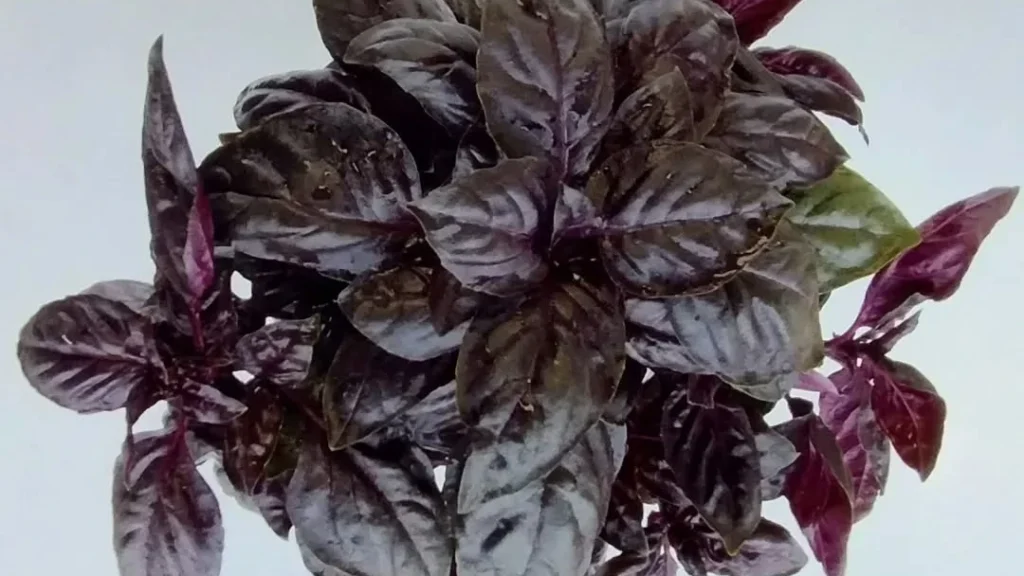
Dark Opal Basil microgreens bring together striking looks and a rich aroma in one tiny plant. At the microgreen stage they show deep purple leaves with hints of green peeking through, especially on younger plants. This color contrast makes them stand out immediately on a plate. Many growers notice that chefs reach for Dark Opal Basil when they want something that feels special without needing a large quantity. A small pinch on top of a dish changes both the color and the scent.

Compared to regular green basil microgreens, Dark Opal Basil has a slightly more intense herbal flavor with a gentle spice and a touch of clove like warmth. The stems are thin and delicate, so they sit lightly on salads, soups and small bites. Because they are grown to just one stage past the first leaf set, the flavor is concentrated but not yet bitter. Restaurants often use them as garnish on pasta, seafood, tomato dishes and even desserts where herbal notes balance sweetness.

Home growers like Dark Opal Basil microgreens because a single small tray produces enough garnish for many dishes across a week. They do not take much space and they fit easily into a home growing rack or a kitchen shelf with lights. Once you understand how the seeds behave and how the jelly coat responds to water, this variety becomes a reliable addition to your regular grow list.

Growth Timeline and What to Expect

Dark Opal Basil microgreens follow a fairly consistent schedule when grown indoors. From sowing to harvest you are usually looking at about ten days of growth, with harvest on the eleventh day. The first five days are spent under a cover while the seeds hydrate, form their jelly coat, sprout and begin to stand. The next five days are spent under lights as the stems stretch, the cotyledons open fully and the purple color deepens.

On a ten by ten tray, using around half an ounce of seed, growers commonly harvest about two ounces of finished Dark Opal Basil microgreens. If you move to a full twenty inch tray you can use one ounce of seed and expect roughly double the harvest when conditions are steady. This gives you a simple ratio that helps you plan for home use or small restaurant orders.

At harvest height the microgreens usually stand around five to eight centimeters tall. The stems are slender and upright. The leaves are mostly purple on the top surface, while the underside and some stems may show a bit of green. It is normal to see a mix of shades instead of a flat uniform purple. The key sign of readiness is a dense canopy with open leaves that still look fresh and tender, not stretched and weak.

Flavor reaches a nice balance around day ten. Younger plants may taste milder and more grassy. If you wait too long beyond the eleventh day in the same tray, the plants can become tougher and the risk of issues with moisture or yellowing increases. Sticking to this timeline keeps quality consistent and makes it easier to coordinate regular harvests.

What You Need Before You Start

Trays and Setup

For Dark Opal Basil microgreens, a ten by ten tray is a smart starting point. It delivers a manageable amount of greens and matches the seed and yield numbers mentioned earlier. You can use trays with or without drainage holes as long as your watering method matches the tray style. Many growers like a solid tray underneath and a tray with holes on top so extra water can drain away.

A simple stacking rack or shelf system helps you keep germinating trays in one place and trays under lights in another. The germination trays stay covered for the first part of the grow, so they do not need much vertical space. Once the cover comes off and the tray moves under lights, you want enough room above the canopy for air to circulate.

Growing Medium

Dark Opal Basil microgreens respond best to a light soil mix that holds moisture but does not stay soggy. A fine textured potting mix or microgreen blend works well. The goal is to avoid big wood chips, rocks or dense clumps that interrupt the seed bed. In the transcript you can see the grower take time to remove wood chunks and stones and to break up the soil with their hands. That simple habit leads to a smooth surface and an even stand of plants.

You only need a shallow layer of soil. Filling the tray with roughly four small scoops, then leveling, is enough in a ten by ten. Once the soil is leveled, pressed gently and pre moistened, the roots have no trouble spreading through the top layer during the short growing cycle.

Seeds and Seeding Rate

Dark Opal Basil seeds are extremely small and lightweight. For a ten by ten tray you can use about half an ounce of seed. For a full standard twenty inch tray you can step up to one ounce. These rates have already been tested in real production and proven to give a dense yet not overcrowded canopy that yields about two ounces from a ten by ten.

Because the seeds are similar in color to the soil, it is easy to sow too heavily in one area and too lightly in another if you rush. Plan to take your time. It helps to sprinkle seeds from a small cup or from your fingers while moving your hand in smooth, overlapping passes across the tray.

Watering Tools and Lighting

You do not need complicated irrigation. A simple spray bottle or a gentle watering can with a fine rose is enough. The key is to wet the soil deeply before sowing, then continue with regular gentle watering without flooding. During germination you will water once a day, check that the soil is moist and then put the cover back on. Under lights you continue once a day watering, adjusting slightly if your room is very dry or very humid.

For lighting, basic grow lights that cover the tray evenly work well for basil microgreens. You want the light close enough to prevent stretching but not so close that it dries and overheats the young plants. Many growers aim for a distance where the tray stays comfortably warm to the touch, not hot. A simple timer keeps lights on for most of the day to give steady growth.

🌿 Recommended Microgreens Supplies
These are the tools and supplies I personally recommend for growing healthy and flavorful microgreens at home.
💡 Best Grow Lights 🌾 Best Growing Seeds 🪴 Best Grow Medium 🧵 Best Grow Mats 🧺 Best Growing Trays 🌿 Best Growing Stand 🌱 Best Microgreens Kit
As an Amazon Associate, I earn from qualifying purchases.

Growing Dark Opal Basil Microgreens

Day by Day Guide

This variety rewards patience and a steady routine. Most of the work happens in small daily checks. Once you understand how the tray should look and feel each day, you can walk through the process with confidence.

Preparing the Tray and Moistening the Soil

Start by placing your ten by ten tray on a stable surface. Fill it with soil to a depth of about two to three centimeters. Use your hands to break up any clumps. Remove pieces of wood, bark or small stones. These obstacles can create gaps where seeds do not sprout or where roots struggle to anchor.

Once the soil is loose and even, press it lightly so the surface becomes level but not compacted. The next step is crucial. You soak the soil before adding seeds. Using a spray bottle or gentle watering can, apply water across the entire surface until the water has clearly penetrated through the top layer. The soil should feel moist when you touch it, but it should not shine with standing water.

Pre moistening does two things. It lets the seeds sit on a consistent cushion of moisture from the first moment and it removes the need to blast the seeds with heavy water right after sowing. Basil seeds form a gel coat when they encounter moisture. By wetting the soil first, then sowing, then watering gently again, you control how that gel forms and avoid washing the seeds into piles.

Sowing the Tiny Basil Seeds Evenly

Now it is time to sow. Weigh your seeds so you know you are using roughly half an ounce for a ten by ten tray. This helps you repeat the same density every time. Pour the seeds into a small cup or keep them in the palm of your hand. Move your hand in a sweeping motion across the tray while letting a fine stream of seeds fall. You want to create a pattern that covers the soil evenly.

Because Dark Opal Basil seeds are reddish brown and very small, they blend into the soil. After your first pass, pause and look closely. Fill in any bare spots with a light sprinkle. Try not to drop heavy piles of seeds, since thick clumps can lead to poor air flow and uneven growth.

Once you are happy with the distribution, water again with a gentle spray. The goal is to wet the seeds thoroughly so they begin to hydrate, but without disturbing your careful pattern. You should see the seeds nestle into place and cling slightly as the water soaks in. At this stage you are ready to cover the tray. Place another ten by ten tray on top as a lid. You can stack this tray on a shelf with other covered trays in the dark or low light area.

Germination Under a Cover

Days 1 to 5

During the first five days, your main job is to maintain moisture and let the seeds go through their natural cycle. Dark Opal Basil seeds take in water and swell. As they hydrate, they form a jelly like coating around each seed. This is similar to what happens with chia seeds. Without a cover, this gel can dry on the young leaves and create a sticky film that is very hard to remove. With a solid tray on top, the environment around the seeds stays humid. The gel remains soft and does not glue itself to the cotyledons.

On day two you will notice a color change. The seeds, once dry and brown, become slightly lighter and may look bluish as the gel expands. You simply lift the cover, water gently to keep the soil moist, and cover again.

By day three the first tiny roots begin to emerge. They look like white threads pushing out from the seed coat. The stems begin to form inside the seed. Again, you water and cover.

By day four the seedlings start to stand and push upward through the gel and soil surface. The stems thicken slightly. They are not ready for strong light yet, but they tell you that things are moving in the right direction.

On day five the seedlings stand about a centimeter tall. They have enough strength to handle more light and air. After watering, you remove the top tray cover and move the tray to your growing area under lights. This shift from covered germination to open growth is the turning point in the cycle.

Growing Under Lights

Days 6 to 10

Once the tray is under lights, the young Dark Opal Basil plants focus on opening their leaves and building color. On day six you will see the cotyledons unfold. The leaves are still small but clearly shaped. You water once a day, keeping the soil moist but not soaked. If stems seem to lean, you can rotate the tray so light reaches all sides evenly.

By day seven the tray begins to fill in. Gaps between plants shrink as the leaves widen. You will notice more purple tones appearing on the top of the leaves. The plants look stronger and more upright.

On day eight and day nine, the canopy becomes dense. The stems are taller and the leaves much wider. At this stage good airflow and consistent watering are important. The top of the canopy should feel fresh and dry to the touch, while the soil below remains moist. Any strong smell that feels off or any slimy areas need attention right away, since they may signal overwatering.

By day ten the Dark Opal Basil microgreens look ready. The leaves are open and mostly purple. Stems are firm and the tray feels full. If you gently run your hand above the canopy, it should spring back instead of flattening and staying crushed. This is your signal to plan harvest for the next day.

Harvesting on Day 11

On day eleven you harvest. Place the tray on a clean surface beside your scale and containers. Many growers use sixteen ounce clamshells and line the bottom with a dry paper towel to absorb any excess moisture. Tare the container on the scale so it reads zero with the empty clamshell and towel.

To harvest, use a clean sharp pair of scissors. Hold a small bundle of microgreens gently between your fingers. Cut as close to the soil as you can without dragging the stems through the dirt. It is better to leave a little stem behind than to bring soil into your harvest. If you notice a bit of soil on any cut stems, simply trim those tips off before you place them into the container.

Work across the tray in sections until you reach your target weight. For example, if your container and lid weigh around seven tenths of an ounce and you want two ounces of microgreens, you will stop when the scale shows about two point seven ounces. Close the lid and make sure there is enough space for the greens to breathe without being crushed. Label the container with the name Dark Opal Basil microgreens, the harvest date and the weight. Now the microgreens are ready for your kitchen or for delivery.

Troubleshooting and Common Issues

Even with a solid routine, small problems can appear. Dark Opal Basil microgreens have a few quirks that you can manage once you recognize them early.

One of the most common issues is the jelly coat drying on the leaves. This happens when seeds are left uncovered during germination and the gel is exposed to direct air movement. As it dries, it clings to the cotyledons like a glue. You can avoid this by keeping the tray covered for the full first five days and by maintaining even moisture in the soil. The cover holds humidity around the seeds so the gel stays soft and does not harden on the leaves.

Overwatering is another frequent problem. If the soil stays constantly soaked, roots struggle to breathe and the base of the stems can weaken. You may notice a musty smell or patches where plants fall over. To prevent this, always aim for moist, not waterlogged, soil. Check underneath the tray if you use a solid bottom to see whether water is pooling there. Adjust your daily watering amount rather than skipping checks altogether.

Underwatering leads to different signs. The leaves may curl, the tray feels unusually light and the soil looks pale and dry. With basil microgreens this can happen quickly because the root zone is shallow. If you see these signs, water thoroughly and make sure your room is not too hot or too dry for the trays.

Sparse growth or thin spots often trace back to sowing technique. If one corner of the tray looks bare, you likely missed that area when spreading seeds. You can correct this in future batches by slowing down during sowing and double checking coverage before your final light spray of water.

Color variation is normal to a point. Some trays will show more green leaves mixed with purple, especially if light levels were slightly lower or temperatures a bit cooler. As long as the plants look healthy, a bit of green does not reduce their value in the kitchen. If you want deeper purple, you can experiment with slightly stronger light or a different distance between lights and tray while keeping the same overall timeline.

By observing your trays each day and noting how they respond to water, cover and light, you build a feedback loop. Over a few cycles, Dark Opal Basil microgreens become one of the more predictable crops on your shelves, producing attractive, fragrant greens that you can count on for both home cooking and small local sales.

Post-Harvest Handling and Storage

Once your Dark Opal Basil microgreens are harvested, the way you handle them in the next few minutes has a major impact on freshness. These delicate greens hold moisture in their stems and leaves, so gentle movement and clean containers keep them crisp longer. Start by placing the freshly cut microgreens directly into a clean clamshell. A dry paper towel on the bottom helps absorb any stray moisture without pulling water out of the greens. If the inside of the lid shows visible condensation, leave the clamshell open for a moment so the moisture can escape. Too much trapped humidity can soften the leaves and shorten storage life.

Refrigeration should begin as soon as possible. Microgreens tend to stay fresh longer when kept in the cooler zones of the refrigerator, usually toward the lower shelves. Most home refrigerators sit between one and four degrees Celsius, which is suitable for basil microgreens as long as the microgreens are dry at harvest. Try not to stack heavy items on top of the container. Basil microgreens bruise easily, and any pressure can flatten the canopy.

When stored correctly, Dark Opal Basil microgreens often hold their quality for four to six days. The key limiting factor is moisture. If you notice beads of water inside the clamshell or leaves beginning to look translucent, open the container briefly to ventilate and replace the paper towel if it is damp. Fresh microgreens should look upright with firm stems and vibrant color. Any sliminess, dark patches or sour smells are signs that the greens should be discarded. A clean start at harvest combined with consistent cold storage allows you to enjoy this variety across the week without losing flavor or appearance.

Nutritional Benefits of Dark Opal Basil Microgreens

Dark Opal Basil microgreens offer a concentrated version of the nutrition found in full-grown basil. Many microgreens contain higher levels of vitamins and antioxidants compared to their mature forms because they are harvested at a stage where plant compounds are building rapidly. Dark Opal Basil is known for its anthocyanin rich purple pigments. These pigments give the leaves their color and also contribute antioxidants that support cellular health. Anthocyanins have been studied for their potential role in supporting the heart, improving overall antioxidant capacity and reducing oxidative stress.

Even small servings contribute meaningful nutrients. A few grams of basil microgreens can provide vitamin K, vitamin A precursors and small amounts of minerals including calcium and iron. They also supply aromatic compounds such as eugenol, which lends basil its distinctive scent and has been examined for its calming and digestive supporting qualities. While microgreens are consumed in small amounts, they bring a fresh layer of nutritional value to meals without adding extra calories. Adding Dark Opal Basil microgreens to pasta, salads or soups is an easy way to lift both flavor and nutrient density.

Their intense aroma also plays a role in the eating experience. Aromatic herbs stimulate the senses before you even take a bite. When used as a garnish on simple foods like eggs, tomatoes or grains, these microgreens enhance taste and help create a balanced plate that feels more satisfying. This combination of color, aroma and nutrition makes Dark Opal Basil microgreens an appealing choice for home cooks, restaurants and anyone who wants to bring more freshness into their meals in a small, manageable way.

How to Use Dark Opal Basil Microgreens in Cooking

Dark Opal Basil microgreens work well in both everyday meals and more refined presentations. Their flavor is familiar yet slightly warmer than green basil, which lets them fit into dishes where you want an herbal lift without overwhelming other ingredients. Adding them at the end of cooking preserves their tenderness and aroma. They pair naturally with tomatoes, balsamic glaze, mozzarella, creamy soups, eggs and grilled vegetables. Many home cooks enjoy sprinkling them on avocado toast, combining them with roasted potatoes or adding them to grain bowls.

Their visual appeal cannot be overstated. The deep purple leaves and slender stems create contrast on light colored foods. When placed on top of white fish, pasta or mashed potatoes, the color stands out. This is why restaurants reach for micro basil when plating dishes that need a finishing touch. Even a tiny pinch makes the plate look intentional.

For drinks and desserts, these microgreens add a pleasant herbal scent. They can be placed on top of fruit tarts, lemon bars, or citrus based drinks. The key is to use them as a fresh accent rather than cooking them down. Their softness and color are best preserved when they are added right before serving.

Simple Recipes with Dark Opal Basil Microgreens

Mini Caprese Skewers with Dark Opal Basil Microgreens

These small skewers combine cherry tomatoes, small mozzarella pieces and a pinch of Dark Opal Basil microgreens. Slice the tomatoes in half and place them on a skewer with a piece of mozzarella between them. Right before serving, add a few basil microgreens on top and drizzle lightly with olive oil and balsamic reduction. The microgreens provide a clean herbal note that brings the entire bite together.

Small Batch Basil Microgreen Pesto

For a quick pesto, use one small handful of Dark Opal Basil microgreens blended with a bit of garlic, olive oil, pine nuts or walnuts and a spoon of grated hard cheese. Because the microgreens have tender stems, they blend into a smooth consistency much faster than mature basil leaves. Use this pesto as a spread for sandwiches, a topping for roasted vegetables or a finishing swirl on warm pasta.

Purple Basil Citrus Spritz Garnish

Prepare a simple citrus drink with sparkling water, lemon juice and a touch of honey or sugar. Fill a glass with ice and pour the spritz over it. Add a small pinch of Dark Opal Basil microgreens on top. The aroma rises with the bubbles and gives the drink a fresh herbal finish. This garnish works well for both alcoholic and non alcoholic beverages.

Small Scale Selling: What You Can Learn from Real Growers

Dark Opal Basil microgreens are well suited to small local sales because they are eye catching and do not require large volumes. One grower supplies a restaurant with two ounces of micro basil each week from a single ten by ten tray. This small commitment is practical for both sides. The restaurant receives a reliable supply of fresh garnish and the grower maintains a simple, predictable schedule.

If you are considering selling small amounts, focus on consistency. Use clean containers, create small air holes for ventilation and line the bottom with a paper towel to manage moisture. Label each container with the harvest date and weight so the chef knows exactly what they are receiving. Communicating about freshness windows and delivery times helps build trust. Over time these small steps can lead to steady demand and the opportunity to add more trays or offer additional varieties.

Leave a Comment

Your email address will not be published. Required fields are marked *