
Marigold microgreens are a vibrant and nutritious addition to your gardening and culinary repertoire. Known for their floral, fruity flavor and aromatic fragrance, these tiny greens pack a punch in both taste and health benefits.
Rich in vitamins A and C, antioxidants, and anti-inflammatory compounds, marigold microgreens contribute to skin health, immune support, and overall wellness. Growing marigolds at home is simple and rewarding, whether you’re a beginner or an experienced gardener.
In this guide, we’ll explore how to grow marigold microgreens from seed, their numerous health benefits, and creative ways to incorporate them into your meals.
From fresh salads to refreshing drinks, discover how marigold microgreens can elevate both your health and your cooking.
Why Choose Marigold Microgreens?
Flavor Profile and Aroma
Marigold microgreens offer a unique flavor that sets them apart from other types of microgreens. They have a delicate floral taste with subtle fruity and minty notes, making them perfect for adding a refreshing twist to various dishes. Their flavor profile can transform a simple salad or sandwich into something vibrant and interesting. The aroma is equally captivating, with a sweet fragrance that’s both floral and slightly citrusy. This aromatic quality enhances their appeal as a garnish, giving any meal an added layer of depth.
Health Benefits
Marigold microgreens are packed with nutrients that provide numerous health benefits. Rich in vitamins A and C, they support skin health, promote good vision, and help boost the immune system. The high antioxidant content also helps in neutralizing harmful free radicals in the body, contributing to overall well-being. These microgreens have anti-inflammatory properties, which may reduce the risk of chronic diseases and promote better digestive health. Due to their high nutrient density, they are a great addition to any diet, especially for those looking to enhance their nutrition naturally.
Visual Appeal
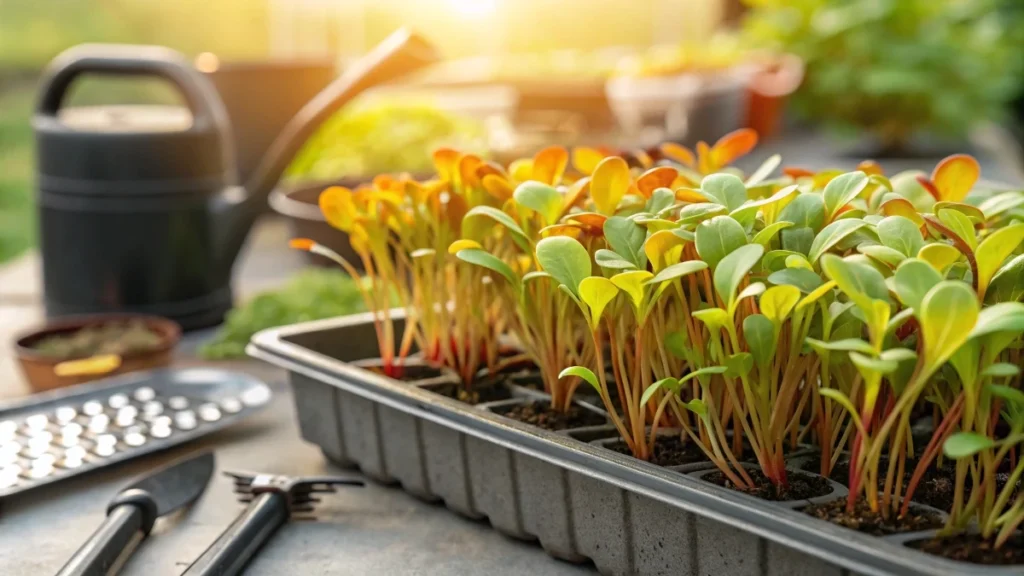
One of the most striking aspects of marigold microgreens is their vibrant, multicolored appearance. The deep green leaves transition into beautiful yellow and orange hues as the microgreens mature, making them a visually stunning garnish. Their bold, colorful nature makes them an attractive addition to any plate, perfect for elevating both the aesthetic and flavor profile of dishes. Whether used in salads, smoothies, or as a garnish, these microgreens add a touch of elegance to any meal.
🌿 Recommended Microgreens Supplies |
Step-by-Step Guide to Growing Marigold Microgreens
Seed Selection
The first step in growing marigold microgreens is choosing the right seeds. High-quality seeds ensure healthy growth and vibrant microgreens. Many growers recommend sourcing seeds from reputable suppliers like True Leaf Market, known for their high germination rates and quality. Marigold seeds are small, but they are packed with potential to produce strong, aromatic microgreens. When purchasing seeds, it’s essential to check for freshness and look for varieties specifically suited for microgreens.
Growing Setup
To grow marigold microgreens successfully, you’ll need a few key components: a seed tray, grow medium, and a proper watering system. For a simple setup, use a three-tray system. The first tray acts as a water reservoir to prevent the seeds from becoming waterlogged. The second tray has mesh or slotted bottoms, which allow excess water to drain and air to circulate. This is where you’ll place your growing medium. The third tray is used for covering the seeds during germination, providing a weight to help ensure even seedling growth.
Choosing the Right Medium
The choice of growing medium plays a significant role in how well marigold microgreens will thrive. While soil can work, many growers prefer using cocoa pods, which are excellent at holding moisture while allowing adequate drainage. This is important because marigold microgreens need to stay moist but not overly saturated. Soil-like mediums also provide nutrients to the plants, helping them grow stronger and healthier. For those looking to grow in a more sustainable manner, cocoa pods are a great choice.
Sowing the Seeds
Marigold microgreens have long, narrow seeds that can be a bit tricky to sow evenly. The best approach is to pinch a small amount of seeds and gently roll them between your fingers as you scatter them over the growing medium. This helps distribute the seeds more evenly across the tray. Since the seeds are small and lightweight, take care when watering them. Mist lightly from a distance, ensuring that the seeds stay in place without being washed away by heavy water.
Watering and Germination
Watering marigold microgreens requires a delicate touch. During the initial germination phase, it’s crucial not to disturb the seeds. Start with a misting setting, keeping the water spray light and far from the seeds. After the seeds have settled into the medium, switch to a shower mode for heavier watering, ensuring that the grow medium becomes moist but not soggy. When watering, check that the tray’s bottom is not overflowing with water, indicating over-saturation. Germination typically begins within 2-3 days, and by day 5, you should see small shoots emerging.
Light Requirements
Marigold microgreens need good lighting to thrive. A lighting system that provides around 6,000 lumens per shelf is ideal. The recommended light setup includes 20-watt LED bulbs with a 6,500K color temperature, which simulates daylight and encourages healthy plant growth. LEDs are efficient and produce the right amount of light for the microgreens without causing them to stretch. Keeping the lights on for 12-16 hours a day ensures that the plants receive the energy they need to develop strong, vibrant leaves.
Nutrient Management
Unlike larger crops, marigold microgreens do not require excessive nutrients. Once the seedlings are a few days old and in the light, you can begin introducing a small amount of nutrients to support their growth. A nutrient solution like Ocean Solution works well for marigolds. Start with a very light dosage—around a quarter cup per tray—and increase as needed. Since marigolds are delicate, it’s important not to overfeed them, which can cause issues like nutrient burn. The goal is to maintain a healthy balance of water and nutrients.
Maintaining Your Marigold Microgreens
Monitoring Growth
Marigold microgreens are relatively easy to grow, but it’s essential to monitor their progress closely. After about 2-3 days, you should see signs of germination. By this time, the tiny seedlings will begin to emerge from the growing medium. Keep an eye on the trays daily to ensure the microgreens are growing evenly and at a steady pace. If you notice areas where the growth seems slower, try adjusting the light or checking the moisture levels of the medium.
Handling the Crop
Marigold microgreens are fragile, especially in the early stages. During germination, it’s important to keep the weight on the trays to ensure uniform sprouting. However, once you notice the shoots begin to bend significantly (usually around day 5), it’s time to remove the weight. This will help prevent the microgreens from becoming too stressed and encourage them to grow upright. If you notice any yellowing or unhealthy-looking leaves, this might be an indication of either over-watering or a lack of light. Adjust the watering schedule or increase the light exposure as needed.
Watering Schedule
The watering schedule for marigold microgreens should be consistent but not excessive. Since they don’t require heavy watering like larger plants, aim to water lightly twice a day. Each watering session should be enough to moisten the growing medium without causing excess water to pool at the bottom of the tray. If you notice that the top layer of soil is drying out, that’s a sign it’s time to mist again. Avoid over-watering, as this can lead to root rot and other growth issues.
Harvesting Marigold Microgreens
Signs of Readiness
Marigold microgreens are typically ready for harvest around 13 days after sowing. During this time, they will have developed vibrant, jagged-edged leaves with a slight spotting pattern that’s characteristic of the variety. The stems will have transitioned from white to a burnt rose color, a visual cue that the microgreens are mature. The flavor will be at its peak, offering that signature floral and fruity taste that marigolds are known for.
Harvesting Method
Harvesting marigold microgreens requires careful handling. Due to their delicate nature, it’s best to use sharp scissors or a small knife to cut them just above the soil level. Be gentle to avoid bruising the leaves or stems. Harvest in the early morning or late afternoon when the plants are most hydrated, ensuring they are at their freshest and most flavorful. After harvesting, immediately place the microgreens into a container and refrigerate them to preserve their color, aroma, and flavor.
Post-Harvest Care
Once harvested, marigold microgreens should be stored in a cool, dry place, ideally in a sealed container in the refrigerator. This will help maintain their crisp texture and vibrant colors. Marigold microgreens don’t have a long shelf life, so they are best used within a few days of harvesting. If you have a surplus, consider preserving it by freezing or drying, although the texture may change.
Health Benefits of Marigold Microgreens
Rich in Vitamins and Antioxidants
Marigold microgreens are packed with essential vitamins, making them a great addition to any diet. They are particularly high in vitamin A and C, both of which play crucial roles in maintaining skin health and boosting the immune system. Vitamin A is vital for eye health and helps maintain the integrity of the skin and mucous membranes. Vitamin C, on the other hand, is a powerful antioxidant that protects cells from damage and supports the body’s natural defense against infections.
In addition to these vitamins, marigold microgreens contain a variety of antioxidants, which help neutralize free radicals in the body. This action reduces oxidative stress and lowers the risk of chronic diseases such as heart disease and cancer. These antioxidants also help to slow the aging process by reducing damage to skin cells, making marigold microgreens a fantastic choice for anyone looking to maintain a youthful appearance.
Anti-Inflammatory Properties
One of the lesser-known benefits of marigold microgreens is their anti-inflammatory effect. The compounds found in these microgreens can help reduce inflammation in the body, potentially providing relief for conditions like arthritis, digestive issues, and even skin inflammation. Chronic inflammation is often a precursor to many health problems, so incorporating marigolds into your diet can be an excellent preventive measure.
The anti-inflammatory properties of marigold microgreens are likely due to their high concentration of flavonoids, which have been shown to inhibit the inflammatory pathways in the body. Regular consumption of these microgreens could promote long-term health by reducing inflammation and lowering the risk of associated diseases.
Skin Health and Healing
Marigold flowers are renowned for their healing properties, and the microgreens are no different. Due to their high vitamin A content, they can contribute to healthy skin by promoting cell turnover and collagen production. Vitamin A helps in the repair of damaged skin, reduces the appearance of scars, and can even improve the texture of the skin. The antioxidants present in marigold microgreens also help combat skin aging and protect against UV damage.
The anti-inflammatory compounds in these microgreens are beneficial for skin conditions such as eczema, acne, and psoriasis. When consumed, they may help reduce the severity of these conditions, while their high water content aids in hydration, giving the skin a fresh and youthful glow.
Recipes Using Marigold Microgreens
Recipe 1: Marigold Parfait
A marigold parfait is an easy-to-make, refreshing dish that brings together the beautiful flavors and health benefits of marigold microgreens. This parfait combines granola, blueberries, Greek yogurt, honey, and of course, marigold microgreens. Here’s a step-by-step guide on how to prepare it:
Ingredients:
- 1/3 cup of granola (any variety you prefer)
- 1/3 cup of fresh blueberries
- 2/3 cup of Greek yogurt (honey-flavored works best for added sweetness)
- A few marigold microgreens (lightly crushed to release more flavor)
- Honey to drizzle on top (adjust sweetness to taste)
Instructions:
- Start by adding a layer of granola to the bottom of your glass or bowl. This will give your parfait a crunchy texture.
- Add a layer of fresh blueberries over the granola. This will provide a burst of antioxidants and natural sweetness.
- Spoon in the Greek yogurt, spreading it evenly over the berries.
- Gently sprinkle marigold microgreens over the yogurt. You don’t need a lot; a little goes a long way, as the microgreens will add a subtle floral flavor.
- Drizzle honey on top to add a touch of sweetness that complements the tang of the yogurt.
- Optionally, you can add a few more blueberries or other fruits for extra flavor and color.
This parfait is a nutritious breakfast, snack, or even dessert option. The marigold microgreens not only add flavor but also contribute their anti-inflammatory and antioxidant properties to the dish.
Recipe 2: Marigold Sparkler Drink
For a refreshing and light drink that highlights the floral notes of marigold microgreens, try making a Marigold Sparkler. This drink is perfect for a hot day, offering a cool, crisp flavor with a hint of floral sweetness. The added lime and club soda make it a bubbly, thirst-quenching treat.
Ingredients:
- A handful of fresh marigold microgreens (crushed to release flavor)
- Ice cubes (consider using marigold-infused ice cubes for an extra touch)
- Club soda
- 1 lime (squeezed)
- Sweetener of your choice (e.g., stevia, honey, or fruit puree)
Instructions:
- Place the marigold microgreens into your glass and gently crush them to release the flavor and aroma. You can use a muddler or the back of a spoon for this.
- Add ice cubes to the glass. For an added touch, freeze marigold-infused water in ice cube trays to create beautifully scented ice cubes.
- Pour club soda into the glass, filling it about three-quarters full.
- Squeeze half a lime into the drink for a citrusy kick.
- Add your choice of sweetener. A small squirt of stevia will enhance the flavor without overpowering the natural taste of the microgreens.
- Stir well and serve chilled.
This marigold sparkler is not only refreshing but also packed with vitamins and antioxidants. It’s an excellent choice for a healthy, hydrating beverage with a unique twist. For those looking to turn this into an evening treat, consider adding a splash of rum or tequila.
Creative Ideas for Other Recipes
Marigold microgreens are highly versatile and can be used in various dishes. You can add them to smoothies for a fresh, floral twist. They work wonderfully as a garnish for soups, salads, or grain bowls, adding a pop of color and a burst of flavor. The unique taste of marigolds pairs well with citrus fruits, making them an ideal addition to salads that feature oranges, grapefruits, or lemon dressings.
For a more savory dish, sprinkle marigold microgreens over roasted vegetables or grilled meats. Their light, fresh flavor can balance out heavier, spiced dishes, creating an interesting contrast.