
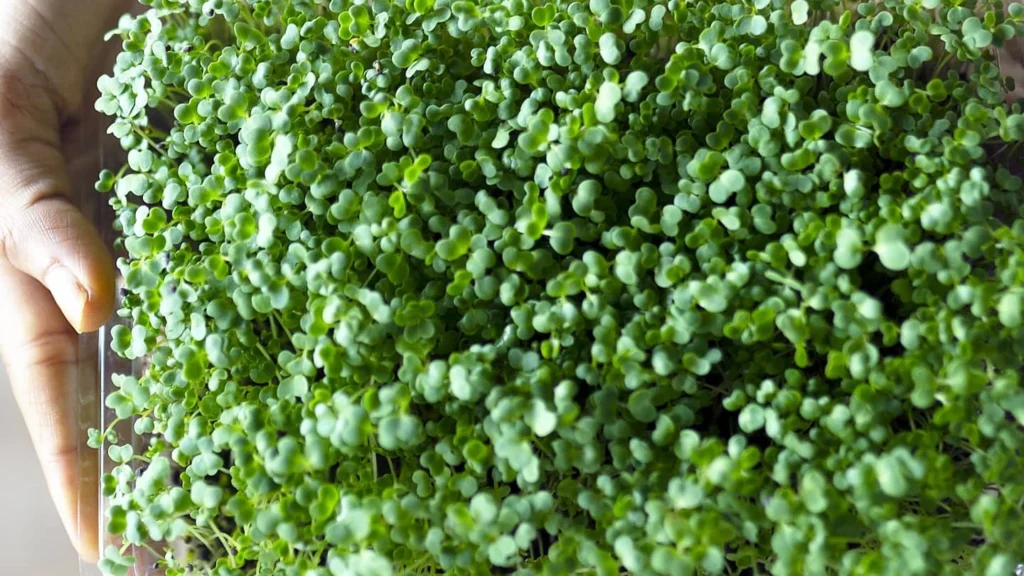
Growing your own mustard microgreens at home is a lot easier than you think, and the payoff is huge. These tiny greens pack a bold mustardy punch and are loaded with nutrients your body will thank you for. You don’t need fancy gear or a green thumb.
Just a small tray, a sprinkle of seeds, and a little patience. In less than two weeks,s you’ll be snipping fresh microgreens straight into your meals. They’re crisp, peppery, and seriously addictive.
Perfect for salads, sandwiches, or a quick health boost in your lunch bowl. Start small and grow something that makes a big difference right from your kitchen counter 🌱💪🥗
Health Benefits of Mustard Microgreens
Mustard microgreens are small but mighty. These tiny greens are harvested at the early stages of growth—usually within 6 to 11 days—and are packed with a dense concentration of nutrients. Compared to mature mustard leaves, microgreens contain up to 4 to 40 times more nutrients per gram, especially antioxidants and phytonutrients.
One of their key health benefits lies in their content of glucosinolates, compounds that play a significant role in detoxification and anti-inflammatory pathways in the body. When mustard microgreens are chopped or chewed, these glucosinolates are converted into sulforaphane, a powerful antioxidant known for its ability to support liver function, brain health, and reduce oxidative stress.
Sulforaphane has been associated with improved blood sugar control, reduced risk of chronic diseases, and enhanced immune function. In particular, one YouTube-based health educator emphasized sulforaphane’s role in regulating glucose, boosting glutathione (the body’s master antioxidant), and potentially lowering cancer risk.
In another recipe demonstration, mustard microgreens were highlighted as a gentle digestive aid, a sinus-clearing ingredient, and a way to promote overall vitality. Some practitioners also recommend mustard microgreens for their potential to support hair growth and skin clarity, given their high levels of vitamin A, C, K, iron, and calcium.
When combined with other traditional Indian ingredients like fenugreek or Bengal gram sprouts, mustard microgreens add both functional health value and bold, peppery flavor.
What You’ll Need (Materials & Setup)
One of the most attractive features of growing mustard microgreens is how minimal and affordable the setup is. Unlike traditional gardening, this method requires no soil, making it perfect for small homes, kitchens, or even balconies.
Here’s a complete list of what you’ll need:
Mustard Seeds:
Use whole mustard seeds (commonly called rai or sarson in Indian kitchens). You can purchase organic versions from grocery stores or online. Choose untreated, raw seeds for best results.
Sprouting Tray or Shallow Container:
You can use any flat-bottom tray with drainage holes. A recycled plastic container or a purpose-made microgreen tray will work.
Growing Medium:
Instead of soil, use paper towels, cotton cloth, or a hydroponic mat as the base. These absorb moisture without allowing the seeds to rot.
Spray Bottle (Mister):
This is essential for gentle watering. It helps maintain the ideal moisture level without soaking the seeds.
Filtered or Boiled Water (Cooled):
Avoid chlorinated tap water, which can inhibit seed germination and lead to mold. Use clean, room-temperature water.
Indirect Sunlight or Grow Light:
Once the seeds sprout, they need light for photosynthesis. Place them near a bright window or use a grow light if natural sunlight is limited.
This method is not only clean and efficient but also completely soil-free, as demonstrated in home-grown examples where no soil was used—only water and trays, showcasing the hydroponic simplicity of this method.
🌿 Recommended Microgreens Supplies |
Step-by-Step: How to Grow Mustard Microgreens
Growing mustard microgreens at home can be broken down into clear phases. The entire process takes about 6 to 11 days, depending on temperature, humidity, and light.
A. Pre-soaking the Seeds
Begin by soaking mustard seeds for 4 to 6 hours. This softens the seed coat and jumpstarts the germination process. In one cooking video, mustard microgreens were sprouted using just water and a tray, emphasizing that proper soaking was key to uniform sprouting.
After soaking, rinse the seeds thoroughly using a sieve. This removes any bitterness and surface debris, which can cause mold later.
B. Preparing the Tray
Line your sprouting tray with moistened paper towels or a germination mat. Make sure the layer is damp but not dripping wet. The tray should not retain standing water, as this creates an environment for bacteria.
C. Spreading the Seeds
Spread the soaked mustard seeds evenly across the tray. They should be close together but not overlapping, to allow air circulation. Overcrowding can cause uneven growth or fungal issues.
D. Germination Phase (Days 1–2)
Cover the tray with another tray, plate, or dark cloth. This blocks light and creates a humid micro-environment in which mustard seeds prefer to sprout. Keep the tray at room temperature and mist gently once or twice a day to keep the medium moist.
This dark phase mimics the soil covering in nature and encourages strong vertical growth.
E. Growth Phase (Days 3–6)
Once you notice white shoots (typically within 48 hours), remove the cover and move the tray to a spot with indirect sunlight or under a grow light. Continue misting once or twice daily. The mustard shoots will green up quickly, developing their signature heart-shaped leaves and tangy aroma.
At this point, growth accelerates. According to demonstrations, harvests were taken on Day 6 and Day 11, depending on light conditions and growing preferences.
Tips for Best Results
Growing mustard microgreens is simple, but a few pro-level tips can ensure a more robust yield:
Use filtered water: Tap water with chlorine can affect seed health. If tap water is your only option, boil and cool it first before using.
Don’t oversaturate the tray: Seeds need moisture, not soggy conditions. Use a fine mist and avoid pooling water at the bottom.
Ensure air circulation: Especially in humid climates, stagnant air leads to mold. Place the tray in a well-ventilated area.
Cleanliness is key: Always sterilize trays before reusing them. A diluted vinegar or baking soda rinse works well and is chemical-free.
Harvest at the right time: Mustard microgreens are most nutritious when they have developed their first true leaves, usually between Day 6 and Day 11. Later than that, they may turn bitter or stringy.
These small adjustments can make a big difference in yield, flavor, and longevity.
Storage and Shelf Life
Freshly harvested mustard microgreens are delicate and need proper handling to stay fresh. To maximize shelf life:
Do not wash them until you’re ready to use them. Washing too early introduces moisture, which can cause spoilage.
Place the harvested microgreens in an airtight container lined with a dry paper towel. The towel absorbs excess moisture and prevents wilting.
Store in the refrigerator’s vegetable crisper drawer, where the temperature and humidity are more stable. Under ideal conditions, they stay fresh for 3 to 5 days.
If the greens begin to yellow or develop an off smell, it’s time to compost them and grow a new batch.
When and How to Harvest Mustard Microgreens
Harvesting mustard microgreens at the right time is crucial to get the best flavor, nutrition, and texture. In general, mustard microgreens are ready to harvest when they reach a height of about 2 to 3 inches and have fully opened their cotyledon leaves (the first two leaves that appear). In one of the tutorials, the mustard microgreens were harvested on Day 11, which is ideal for home growers seeking maximum nutrition and flavor.
To harvest:
- Use clean kitchen scissors or a sharp knife to cut the greens just above the growing medium.
- Hold a bunch of microgreens gently and cut horizontally across the stems.
- Avoid pulling them out by the roots, especially since you’re growing without soil. This prevents unwanted debris from being mixed in with your harvest.
Harvest in the early morning hours or right after misting when the greens are fresh and hydrated. Avoid harvesting under harsh light or in dry conditions, which can cause wilting.
Pro tip: If you’re not planning to eat all the greens at once, harvest only what you need and leave the rest in the tray for 1–2 more days. Microgreens don’t continue to grow significantly after they’re harvested, so leaving them rooted allows them to stay fresher.
Using Mustard Microgreens in Everyday Recipes
Mustard microgreens have a mildly spicy, mustardy flavor that pairs beautifully with both raw and cooked dishes. Their flavor is often compared to arugula or wasabi greens, giving food a zesty punch without being overpowering.
Here are some ways to use them:
In Raw Preparations:
- Smoothies: Add a handful to green smoothies for a mild detoxifying kick.
- Salads: Mix with milder greens like lettuce or spinach to create balance.
- Avocado Toast or Sandwiches: A sprinkle of mustard microgreens elevates texture and adds nutrition.
- Garnish: Use as a topping on soups, dips, and grain bowls to add crunch and spice.
In Cooked Dishes (Minimal Heat):
In one video recipe, mustard microgreens were added to a cooked side dish made with raw papaya and mung beans. The cook emphasized adding the microgreens at the very end of the cooking process so they wilt but do not lose their nutritional value due to high heat.
- Add microgreens to stir-fries right before turning off the heat.
- Mix them into steamed rice or lentils as a finishing touch.
- Use in traditional Indian dishes like sabzis, khichdi, or alongside roti as a side.
Remember: While mustard microgreens can handle brief exposure to warmth, prolonged heat destroys myrosinase, the enzyme needed to activate sulforaphane, the key health compound. For the best benefits, always add them last.
Pairing Mustard Microgreens with Other Microgreens
Combining mustard microgreens with other varieties can enhance both the taste and nutritional diversity of your meals. Due to their spicy flavor, mustard greens work especially well when paired with milder-tasting microgreens.
Best Microgreen Pairings:
- Broccoli Microgreens: Mild and earthy. Also rich in glucoraphanin, the precursor to sulforaphane. Combining both increases the enzyme-substrate interaction when eaten raw or lightly cooked.
- Radish Microgreens: Similar texture, with a slightly sharper flavor. They complement mustard microgreens in salads or sandwich fillings.
- Sunflower Microgreens: Thick, juicy stems with a nutty taste. These provide volume and mellow out the spice.
- Cilantro or Fenugreek Microgreens: Common in Indian dishes. Fenugreek adds bitterness and cooling properties, balancing mustard’s heat.
In one cooking demonstration, mustard microgreens were used alongside mung beans and raw papaya — both of which are subtle in taste and allow the mustard flavor to shine through.
The combination of microgreens with legumes and vegetables is both nutritionally intelligent and culturally rich. Mung beans bring plant-based protein, papaya offers enzymes for digestion, and mustard microgreens amplify anti-inflammatory and detox properties.
Sulforaphane & Myrosinase: The Science Behind the Greens
Sulforaphane is the reason cruciferous microgreens — especially mustard, broccoli, and radish — are considered functional superfoods. But what’s often missed is the key biochemical process that makes sulforaphane bioavailable.
Here’s how it works:
- Cruciferous plants like mustard microgreens contain a precursor compound called glucoraphanin.
- When the plant tissue is chopped or chewed, it releases an enzyme called myrosinase, which converts glucoraphanin into sulforaphane.
- Sulforaphane is responsible for stimulating detox enzymes, reducing inflammation, and activating antioxidant pathways in human cells.
However, heat destroys myrosinase. So when cruciferous vegetables are cooked, the glucoraphanin remains intact, but it doesn’t get converted into active sulforaphane unless a source of external myrosinase is introduced.
According to a nutrition expert cited in a video, adding just 1 gram of mustard seed powder or extract to cooked broccoli increased sulforaphane absorption by fourfold. Why? Mustard seed — like mustard microgreens contain active myrosinase that survives cooking if added at the end.
This means even if you cook vegetables like broccoli, Brussels sprouts, or cauliflower, you can reactivate the sulforaphane pathway by sprinkling fresh mustard microgreens on top.
In practical terms:
- Eat mustard microgreens raw or lightly wilted.
- Pair them with cooked cruciferous veggies to enhance sulforaphane production.
- Use them strategically to boost antioxidant potential in meals without adding extra calories.