
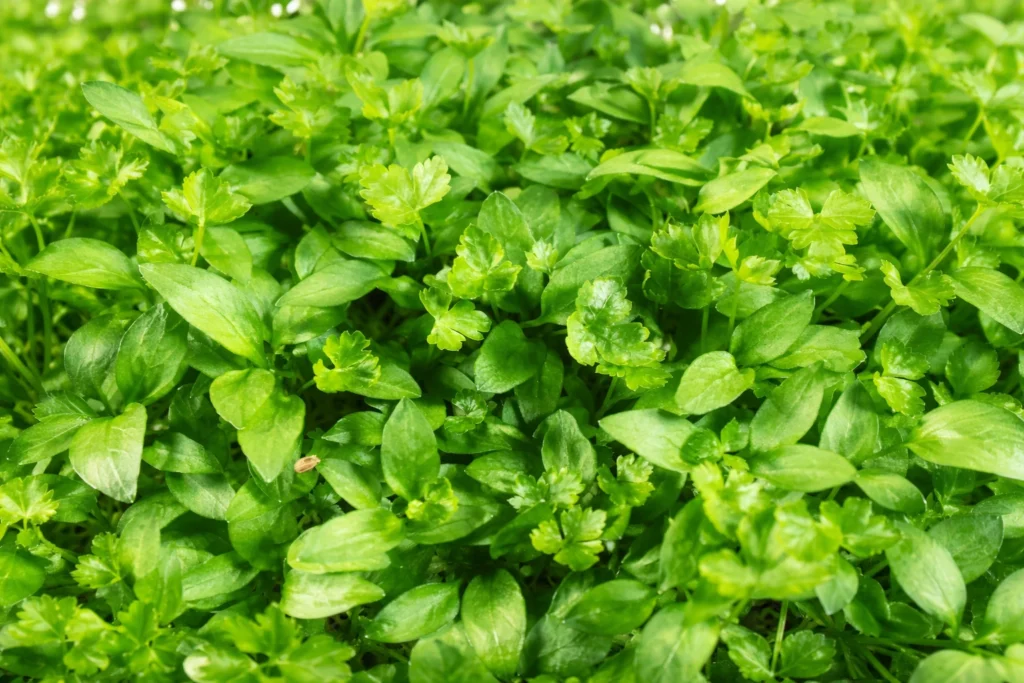
Growing your own parsley microgreens at home is easier than you might think, and the rewards are seriously worth it. These tiny greens pack a fresh, bold flavor that lifts any dish, plus they’re loaded with nutrients that your body will love.
All it takes is a bit of patience, a little tray of soil, and some light to turn simple seeds into lush greens in just over two weeks. No need for a garden or fancy equipment.
From flavor-packed salads to vibrant garnishes, parsley microgreens bring both taste and nutrition to the table. Once you try homegrown, store-bought won’t cut it anymore. Let’s walk through it step by step and get growing 🌱💚✨
What Are Parsley Microgreens?
Parsley microgreens are the young, tender shoots of the parsley plant harvested soon after the first true leaves appear. Unlike sprouts, which are typically consumed within a few days of germination, microgreens grow for a longer period, usually up to two weeks, and require both water and light to develop.
Parsley microgreens are harvested once the plant has produced its first true leaves, rather than the initial seed leaves, known as cotyledons. This is when the flavor is most concentrated, and the nutritional content is higher compared to baby greens or fully mature parsley. The true leaves are the small, characteristic curly or flat leaves that resemble mature parsley, but on a miniature scale. These tiny leaves are what most microgreen growers aim for, not the larger fan-like third and fourth leaves, which are left to full-scale herb farmers.
The growth of parsley microgreens takes patience. They germinate slowly and require careful moisture control to ensure even growth. Once ready, they offer a clean, intense parsley flavor that works well in salads, soups, sauces, or as a garnish. Their vibrant green color and soft texture also make them a popular choice among chefs who want to add visual appeal and freshness to dishes without the bitter or fibrous nature of mature herbs.
Health Benefits of Parsley Microgreens
Parsley microgreens are valued for their rich concentration of vitamins, minerals, and antioxidants. Since they are harvested in the early stages of development, studies have shown they contain a higher nutrient content compared to their mature counterparts.
These microgreens are an excellent source of vitamin K, which plays a central role in bone health and blood clotting. A single small serving can provide over 100 percent of the recommended daily intake. They are also rich in vitamin C, a well-known antioxidant that supports immune function and collagen synthesis. In addition, parsley microgreens provide modest amounts of vitamin A, folate, and iron, contributing to red blood cell production and overall energy levels.
Their deep green color is a sign of high chlorophyll content. Chlorophyll helps promote detoxification by supporting liver function and may assist in the removal of heavy metals from the body. This cleansing quality has been appreciated by many who incorporate microgreens into daily salads and juices.
Parsley contains volatile oils and compounds such as apigenin and myristicin, which have been studied for their anti-inflammatory and antioxidant effects. These compounds are retained and sometimes more concentrated in the microgreen form. Because they are consumed raw, the full spectrum of phytonutrients remains intact, unlike in cooked mature parsley, where heat can break down sensitive compounds.
Moreover, regular intake of parsley microgreens may support digestion, freshen breath, and provide a gentle diuretic effect that helps reduce water retention. Their nutrient profile, coupled with easy incorporation into meals, makes them an ideal addition to everyday nutrition.
🌿 Recommended Microgreens Supplies |
How to Grow Parsley Microgreens at Home
Growing parsley microgreens at home can be incredibly rewarding. Though parsley takes longer to germinate than many other microgreens, the process is straightforward with the right timing and care. Below is a detailed guide that walks you through each stage—from seed preparation to harvest—based on tested and proven growing techniques.
Step 1: Choose High-Quality Parsley Seeds
Start with flat-leaf or curly parsley seeds labeled specifically for microgreens. Flat-leaf (Italian) parsley tends to have a slightly stronger flavor and a more consistent growth pattern, making it a favorite among chefs and home growers alike.
Opt for untreated, non-GMO seeds. Organic options are ideal if you want to avoid chemical residues, especially since microgreens are consumed shortly after harvest.
Step 2: Pre-Soak the Seeds for Better Germination
Parsley seeds have a naturally tough outer coating and take longer to germinate. To improve germination success, soak the seeds in cool water for 8 to 12 hours. This softens the seed coat and kickstarts the sprouting process.
After soaking, drain and rinse the seeds thoroughly to remove any excess starches that could lead to mold.
Step 3: Prepare the Growing Tray and Medium
Use a shallow tray, ideally around 1 to 2 inches deep, with drainage holes if possible. Fill the tray with a fine growing medium such as:
- Organic potting soil
- Coconut coir
- Seed-starting mix
Flatten and gently firm the surface of the soil without compacting it. Lightly mist the surface to make it evenly moist before adding seeds.
Step 4: Sow the Seeds Evenly
Scatter the pre-soaked parsley seeds across the surface of the soil. Aim for even coverage without overcrowding. Parsley microgreens are small and slow-growing, so they don’t require as much space as larger greens, but an even spread is key to uniform growth.
Do not bury the seeds. Instead, gently press them onto the moist soil to ensure good contact.
Step 5: Cover for Germination (Blackout Period)
Parsley seeds need a longer germination period than most microgreens. Cover the tray with another tray or lid to block light and help retain humidity. This “blackout period” should last for 10 to 12 days.
During this stage:
- Keep the tray in a warm location, ideally between 65°F and 75°F (18°C to 24°C).
- Check daily to ensure the soil stays moist but not soggy. Mist with water as needed.
- Be patient—parsley is slow to sprout but consistent once it gets going.
As noted from real growing experiences, many beginners give up too soon. If no visible growth appears after a week, do not discard the tray. Parsley typically takes longer, and the results are worth the wait.
Step 6: Move Under Lights for Growth
Once the seeds have germinated and sprouted their first leaves (cotyledons), remove the cover and move the tray under a light source. Parsley microgreens grow best under LED grow lights, though a bright windowsill can also work.
Keep the lights on for 12 to 16 hours daily. Make sure the lights are 6 to 12 inches above the greens to avoid burning them while providing adequate intensity.
Allow the microgreens to grow for 3 to 5 days under light. At this stage, you’ll see the “true leaves” form—small, smooth pairs of leaves with a distinct parsley aroma.
Unlike fully grown parsley, microgreens are harvested before the third or fourth leaf appears. They’re picked at the true-leaf stage to preserve their tender texture and concentrated nutrients.
Step 7: Water Carefully and Monitor Moisture
Watering can be done from the bottom by placing the tray into another tray filled with about half an inch of water. This prevents overwatering and helps maintain even soil moisture.
Avoid watering from above after sprouting to reduce the risk of mold or damping-off.
Always monitor the weight of the tray and check soil dampness. According to experienced growers, parsley microgreens typically need no added water during the final 1 to 2 days before harvest if the tray was properly hydrated earlier.
Step 8: Harvest at the Right Time
Parsley microgreens are typically ready to harvest around Day 16 from sowing, depending on light and temperature conditions. Use clean scissors or a sharp knife to cut the microgreens just above the soil line.
Harvest only what you plan to use immediately, or store freshly cut greens in an airtight container in the fridge. They typically stay fresh for 5 to 7 days.
How to Store and Use Parsley Microgreens
Once harvested, parsley microgreens should be handled with care to preserve their freshness and flavor. They can be stored in an airtight container lined with a paper towel to absorb excess moisture. Refrigerated at the right temperature, they typically last between five and seven days.
Before use, rinse them gently under cold water and allow them to dry completely on a clean towel or salad spinner. These greens are delicate, and excess moisture can shorten their shelf life. It’s best to wash only the amount you plan to use right away.
Parsley microgreens can be used in a wide variety of culinary applications. Their bright green color and fresh herbaceous flavor make them ideal for garnishing dishes just before serving. They can be sprinkled over soups, pasta, hummus, or roasted vegetables. They also pair well with grains, legumes, and egg-based dishes. Because they have a more tender texture than mature parsley, they blend easily into smoothies, dips, or homemade pestos.
Avoid adding them too early in the cooking process, as high heat can diminish their flavor and nutrients. For the best results, add parsley microgreens to warm dishes just before plating, allowing their vibrant color and taste to shine.
Easy & Healthy Recipes Using Parsley Microgreens
Parsley microgreens bring a bright, herbaceous lift to both simple and complex dishes. Since they are more tender and flavorful than mature parsley, a small amount can go a long way in enhancing the taste and nutrition of everyday meals. These microgreens are especially suited for raw or lightly dressed preparations where their delicate texture and aroma can remain intact.
Below are a few recipe ideas inspired by real culinary applications, including details drawn from actual home kitchen routines.
1. Parsley Microgreens and Butterhead Lettuce Salad
A popular way to enjoy parsley microgreens is in a fresh, leafy salad paired with tender greens like butterhead lettuce. This type of lettuce is known for its soft, delicate leaves that easily absorb light dressings. Start with a base of hand-torn butterhead leaves and toss in chopped parsley, microgreens, sliced cherry tomatoes, and minced onions. Adding a few green olives with a mild, briny flavor provides a contrast to the sweetness of the tomatoes.
To dress the salad, a garlic cashew dressing can be prepared ahead of time. This dressing is creamy and flavorful without overpowering the greens. Blend soaked cashews with fresh garlic, lemon juice, salt, pepper, and water until smooth. Keep the dressing light in texture, so it gently coats the leaves without weighing them down. Always add the dressing just before eating to preserve the freshness and crispness of the greens.
This combination works well because parsley microgreens complement other fresh ingredients without dominating them. Their slightly grassy flavor blends with the nuttiness of the cashews and the acidity of the lemon for a well-rounded dish.
2. Microgreen Herb Pesto
Pesto is traditionally made with basil, but parsley microgreens make a delicious and nutrient-rich alternative. For a lighter, vibrant version, blend parsley microgreens with olive oil, garlic, lemon juice, walnuts or pine nuts, and a pinch of salt. If desired, add a spoonful of nutritional yeast or a small amount of grated vegan cheese for a savory depth.
Use this pesto as a topping for roasted vegetables, pasta, or as a spread on sandwiches and wraps. Because the microgreens are so fresh, they give the pesto a clean flavor that works well with both warm and cold dishes. It is best stored in an airtight jar in the refrigerator and consumed within a few days for maximum freshness.
3. Parsley Microgreen Smoothie Boost
For those who enjoy green smoothies, parsley microgreens can be blended in with fruits and other greens for an extra nutritional kick. Combine a handful of parsley microgreens with spinach, frozen banana, apple slices, and lemon juice. Add water or a light plant-based milk to blend.
Parsley microgreens contribute a subtle herbal note without bitterness, especially when paired with fruits like pineapple, orange, or kiwi. This makes them suitable for daily smoothie routines where nutrition is key, but flavor balance remains important.
4. Microgreens Topping for Soups and Stews
Instead of garnishing with dried herbs or mature parsley, a small sprinkle of parsley microgreens can enhance the visual appeal and flavor of warm dishes like lentil soup, potato chowder, or roasted vegetable stew. Add them just before serving so the leaves remain crisp.
These microgreens provide a bright, green freshness that balances richer or creamier dishes. Their small size also means they don’t require chopping, making them a quick and easy finishing touch.
5. Avocado and Parsley Microgreen Toast
For a nutrient-packed breakfast or snack, spread mashed avocado on whole grain or sourdough toast and top with parsley microgreens. Add thinly sliced radish or cucumber for crunch, a sprinkle of sea salt, and a squeeze of lemon juice. The freshness of the microgreens contrasts nicely with the creamy avocado, and the lemon enhances their flavor.
This quick meal is high in healthy fats, fiber, and chlorophyll-rich greens, making it a satisfying choice for any time of day.