
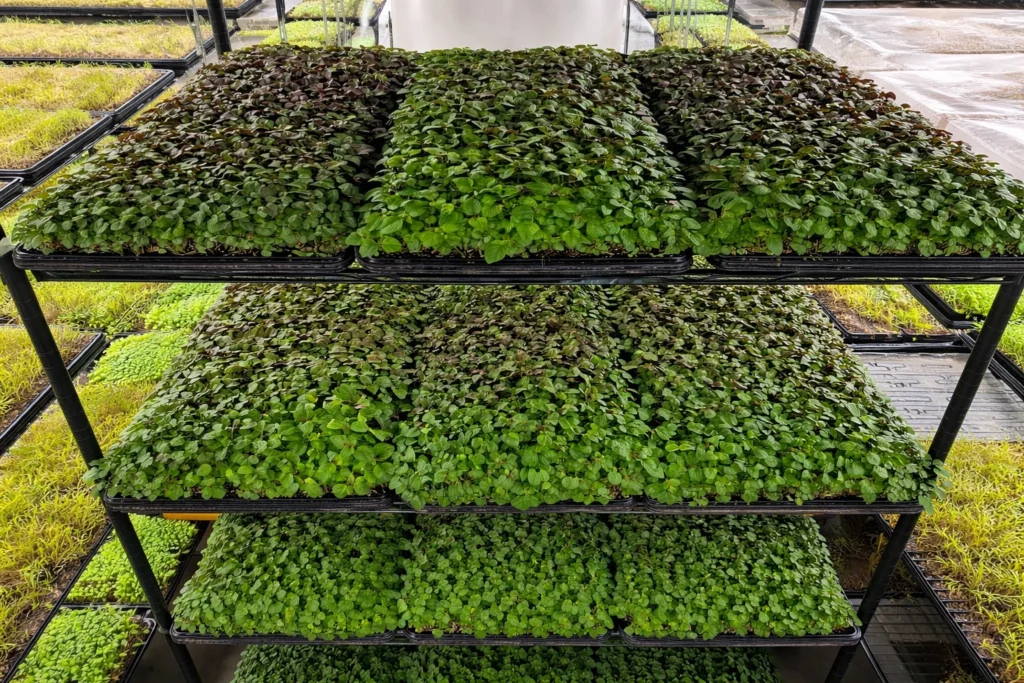
Red Shiso microgreens are not your average kitchen green. With their deep purple leaves and refreshing kick of mint, basil, and a hint of anise, they instantly brighten up anything from salads to sushi.
Growing them at home might sound like a slow game, but the payoff is worth it. These little leaves bring serious flavor and color to your plate, plus they’re packed with nutrients.
The best part? You don’t need soil to grow them. Just a screen, some light, and a bit of patience. If you’re looking to grow something that’s both beautiful and bold on the plate, Red Shiso might be your next favorite green 🌱💜🍽️
What is Red Shiso?
Red Shiso, also known by its botanical name Perilla frutescens var. crispa, is an aromatic herb native to East Asia. It belongs to the mint family and is closely related to other culinary herbs like basil and mint. What makes Red Shiso unique is its vivid burgundy or purple color, both on the top and underside of its leaves. This variety is sometimes referred to by the name “Aka Shiso” in Japanese, where “Aka” means red.
In terms of culinary history, Red Shiso has been used in Japanese cuisine for centuries. It is commonly used to pickle plums, flavor rice dishes, or as a garnish for sashimi. In Korean cuisine, similar varieties of perilla are stir-fried, pickled, or added to stews. Its flavor is distinctive and slightly complex. The taste can be described as a mix of earthy, spiced, and citrusy notes with subtle hints of cinnamon and cloves. Some compare it loosely to a spicier or more herbal version of basil.
This herb is not only valued for its flavor and visual appeal but also for its potential health-promoting compounds, which we will explore further in the next section. In recent years, Red Shiso has also found a place in the microgreen space, where it is grown from seed to harvest in about three to four weeks. It’s become increasingly popular in fine dining settings where chefs value its vibrant appearance and unique taste as a microgreen.
Nutritional Benefits of Red Shiso Microgreens
Red Shiso microgreens offer more than just bold flavor and color. These young shoots pack a considerable number of nutrients and bioactive compounds that are believed to support overall wellness. Because they are harvested early in their growth stage, microgreens often contain higher concentrations of certain vitamins and antioxidants compared to their mature counterparts.
One of the most researched compounds in Red Shiso is rosmarinic acid. This is a plant-based polyphenol known for its antioxidant and anti-inflammatory properties. A study from Japan highlighted that rosmarinic acid in Shiso may help reduce seasonal allergy symptoms, including sneezing and a runny nose, by suppressing the allergic immune response.
In addition to antioxidants, Red Shiso contains alpha-linolenic acid, a type of omega-3 fatty acid found in plant sources. Omega-3s are essential for cardiovascular and brain health and can help balance inflammatory responses in the body. While Red Shiso microgreens are not as dense in omega-3s as fatty fish, they still offer a valuable plant-based source, especially in small-scale diets.
These microgreens also contain vitamin C, calcium, iron, and flavonoids that contribute to immune function and bone health. In a nutritional comparison to other microgreens, such as arugula or basil, Red Shiso holds its own due to the broad spectrum of phytochemicals it offers. Although exact nutrient values can vary depending on growing conditions, its vivid color alone hints at the presence of anthocyanins, which are pigments known to protect cells from oxidative damage.
For anyone looking to add functional greens to their meals, Red Shiso microgreens offer both health value and culinary versatility.
Growing Red Shiso Microgreens: Step-by-Step Guide
Red Shiso microgreens are not the easiest to grow, but with proper technique and environmental control, they can produce a flavorful and visually impressive harvest. This guide covers two tested methods using either a fine mesh screen or a soil medium, and includes real-world data on germination, environmental conditions, and yield.
Materials Needed
To grow Red Shiso microgreens, begin by gathering the right materials. A 1020 growing tray is standard, either with soil or a fine mesh food-grade screen placed inside. For those using a screen system, food safety is essential, so ensure the mesh is certified and non-reactive.
Red Shiso seeds can be sown at a rate of 8 grams to 30 grams per tray, depending on your preferred density. In one growing test, about 30 grams of seed was used to cover a mesh tray evenly. You will need a spray bottle for misting, a humidity dome to maintain moisture during germination, and, optionally, a product like vermiculite to cover seeds and retain humidity.
A preventative antifungal spray, such as diluted hydrogen peroxide or Zerol, is useful before and after sowing to protect young plants from damping off or mold issues. A heat mat set between 75 and 78 degrees Fahrenheit creates the warm environment needed to encourage even germination. Lighting is not required in the first few days but becomes essential after sprouts emerge. Full-spectrum LED grow lights are ideal.
🌿 Recommended Microgreens Supplies |
Germination Phase
Germination is the most critical stage when growing Red Shiso microgreens. These seeds can be slow to sprout, sometimes taking 7 to 10 days just to show signs of life. The key to successful germination is maintaining consistent moisture, warmth, and air circulation.
Begin by lightly wetting the surface of the screen or soil with clean water. Once moistened, spread the seeds evenly across the surface. Avoid clumping, as dense pockets of seed can lead to poor airflow and mold. After seeding, mist the top again with a light spray, followed by the antifungal treatment.
Covering the seeds with a fine layer of vermiculite is optional but helps with moisture retention. Then, place a humidity dome over the tray to trap in heat and humidity. This step creates the mini-greenhouse effect that Shiso seeds need to germinate well.
Trays should be kept on a heat mat or in a warm environment around 75 to 78 degrees Fahrenheit. This warm bottom heat encourages uniform germination. Daily misting is often needed, as the seeds can easily dry out if left unattended. Once the majority of seeds have germinated and the cotyledons are visible, usually by day 10 to 12, remove the dome and begin exposing the tray to indirect or artificial light.
During this period, it is important to monitor moisture closely. Seeds can be prone to drying out or rotting if the humidity fluctuates too much. When done properly, germination rates can reach close to 100 percent, although they tend to be a bit lower than faster crops like radish or broccoli microgreens.
Great! Let’s continue with the next sections of the article, maintaining the same tone, depth, and structure:
Growth Phase
Once the seeds have successfully germinated and the cotyledons (first leaves) have fully emerged, the microgreens enter the growth phase. This stage typically begins around day 12, although it can vary slightly depending on the exact temperature and humidity conditions maintained during germination.
At this point, the humidity dome is removed, and the seedlings are exposed to a consistent light source. A full-spectrum LED grow light is ideal and should be positioned approximately 10 to 12 inches above the tray. Red Shiso microgreens respond well to light, and a 12 to 16-hour daily light cycle encourages the development of healthy leaves and deep pigmentation.
Watering techniques need to shift as well. Instead of misting from above, which can promote mold or cause the delicate leaves to rot, bottom watering is preferred. This involves pouring water into the bottom tray and allowing the soil or mesh to wick moisture upward. It keeps the roots hydrated without adding excess humidity to the foliage. Bottom watering also promotes stronger root development as the plants reach downward to access moisture.
Temperature should remain steady, ideally between 70 and 75 degrees Fahrenheit during the day. Good airflow is essential during this stage to prevent fungal issues. Using a small fan on a low setting can help circulate the air around the growing area and reduce the chance of mildew.
By the time the seedlings reach day 18 to 22, the first set of true leaves begins to appear. These are different from the initial cotyledon leaves in shape, color, and texture. In Red Shiso, true leaves are typically larger, deeply veined, and darker in color. Their deep purple hue becomes more pronounced under adequate lighting. This is an important visual indicator that the microgreens are nearing their peak harvest window.
If grown alongside other microgreens in the same tray, as in one of the test setups described earlier, Red Shiso can become crowded. Faster-growing neighbors like alfalfa or clover may encroach on the Shiso’s growing area. To prevent competition, consider growing Red Shiso on its own tray or giving it more space to develop fully.
Harvesting
Red Shiso microgreens are ready for harvest between day 24 and 26, though the window can shift slightly depending on lighting, temperature, and your intended use. These microgreens take longer to grow than common varieties like mustard or radish, but the extended time allows their true leaves to fully develop and deepen in color.
When harvesting, it’s best to use a sharp, clean knife. A boning knife or fillet knife works particularly well for microgreens with delicate stems and broad leaves like Shiso. Scissors are not ideal, as they may pinch or bruise the stems, affecting shelf life and appearance.
Hold the microgreens gently in one hand and cut just above the screen or soil line. Avoid cutting too close to the base, as this can bring soil or debris into the harvest and increase the risk of contamination. If growing on a mesh screen, harvesting is cleaner and faster since no soil is involved. This method eliminates the need for washing, which helps preserve both texture and appearance.
In one grow test using 30 grams of seed on a mesh tray, the harvest produced approximately 230 grams, or 8.1 ounces, of Red Shiso microgreens. This equals about half a pound, which is a reasonable yield given the seed volume and time investment. These numbers can vary depending on tray size, seed density, and overall conditions, but they provide a useful benchmark for small-scale growers.
Harvested microgreens should be stored in a shallow container with a paper towel to absorb excess moisture. They can last for several days in the refrigerator when handled carefully. Avoid stacking or compacting the greens, as the delicate leaves can bruise easily.
Challenges and Tips for Growing Red Shiso
Growing Red Shiso microgreens comes with unique challenges. This crop is slower to germinate and grow compared to most other microgreens, which can test a grower’s patience and attention to detail.
One of the most common issues is uneven germination. Red Shiso seeds can be stubborn, often taking over a week just to sprout. Maintaining consistent humidity is essential during this stage. Skipping misting or allowing the tray to dry out even once can delay or reduce germination. A humidity dome, daily misting, and a warm environment are all essential until cotyledons are fully visible.
Another challenge is fungal growth. Because Red Shiso is slow to develop, it remains in a vulnerable state longer than faster crops. This increases its exposure to mold and damping-off. Using a preventative antifungal spray, like diluted hydrogen peroxide or a food-safe sanitizer, can significantly reduce these risks. Misting seeds both before and after sowing, as well as sanitizing trays, is a smart preventative strategy.
Lighting also plays a role in leaf development and pigmentation. Without strong light, the leaves may appear pale or washed out. A full-spectrum LED positioned at the right distance will encourage the plants to produce anthocyanins, the compounds responsible for the deep purple coloration of Red Shiso. Inadequate light may result in leggy growth and poor coloration.
Because of its long growth cycle, Red Shiso is best suited as a specialty microgreen. It may not be ideal for fast turnaround in commercial operations, but it can be valuable in restaurants or farmers’ markets that seek unique and flavorful greens. With proper planning, growers can stagger Shiso crops alongside quicker varieties to balance output and efficiency.
Another tip is to experiment with covering seeds in vermiculite during the germination phase. This layer helps retain moisture and has shown to improve germination rates by supporting a stable microclimate right where the seed needs it. In a side-by-side test, trays with vermiculite had a more even and fuller canopy compared to uncovered seeds.
How to Use Red Shiso Microgreens: Recipes and Ideas
Red Shiso microgreens are not only visually striking with their deep purple leaves but also offer a distinct flavor that sets them apart from other microgreens. Their taste is often described as a mix of basil, mint, and anise, with a hint of citrus. This unique profile makes them versatile in both savory and sweet applications.
One of the simplest ways to use Red Shiso microgreens is as a garnish. Their color contrast can elevate the presentation of dishes like sushi, poke bowls, or sashimi platters. Chefs often pair Red Shiso with fish and seafood because its fresh, slightly tangy taste balances the richness of oily fish such as salmon or tuna.
In salads, Red Shiso microgreens can add both a vibrant hue and a burst of refreshing flavor. Pairing them with other tender greens, citrus segments, and a light vinaigrette creates a balanced and aromatic dish. They can also be blended into herb mixes for dressings, adding complexity and depth to the flavor.
Red Shiso is a traditional ingredient in Japanese cuisine, where it is used for pickling plums (umeboshi) and flavoring beverages. Microgreen versions can be infused into syrups for cocktails or mocktails. A simple syrup made with Red Shiso microgreens and sugar creates a fragrant base that pairs beautifully with sparkling water or gin-based drinks.
For those who enjoy experimenting, Red Shiso microgreens can be incorporated into desserts. Their subtle herbal notes work well in panna cotta, fruit tarts, or sorbets. A garnish of fresh Red Shiso microgreens on top of fruit-based desserts provides both visual appeal and a surprising twist of flavor.
Blending Red Shiso microgreens into smoothies is another creative idea. Combined with fruits like pineapple or mango, they provide a refreshing herbal undertone while contributing antioxidants and essential nutrients.
Red vs. Bi-Colored Shiso: Key Differences
While Red Shiso is known for its dark, purplish leaves, bi-colored Shiso (also known as Perilla frutescens var. crispa) features green leaves with a purplish underside. The differences go beyond color and appearance, as these variations also differ slightly in flavor and culinary applications.
Red Shiso tends to have a more robust, earthy flavor with slightly sweet and astringent notes. It is favored for pickling and garnishes where its rich color adds aesthetic value. Bi-colored Shiso, on the other hand, has a more delicate flavor, leaning towards a mix of basil and mint, with less astringency. This makes it suitable for use in fresh salads, wraps, and as a complement to lighter dishes.
In terms of growth patterns, Red Shiso microgreens often take slightly longer to mature, requiring about 24 to 26 days from sowing to harvest. Bi-colored Shiso, depending on the growing conditions, can be ready a few days earlier. Both varieties require similar care and conditions, including warm temperatures, humidity during germination, and strong lighting to encourage rich pigmentation.
Another key distinction lies in their cultural applications. Red Shiso is more frequently used in traditional Japanese dishes like umeboshi plums, shiso juice, and miso soups. Bi-colored Shiso, while still used in Japanese cuisine, has found its way into fusion dishes due to its milder and more versatile flavor profile.
For growers and chefs, choosing between the two often comes down to desired flavor intensity and visual appeal. Some prefer to grow both varieties to offer a contrasting range of color and taste for culinary creations.
Where to Buy Seeds and Supplies
Finding high-quality Red Shiso seeds is essential for a successful harvest. Many specialized seed suppliers offer Red Shiso seeds in small to bulk quantities. Look for suppliers that provide untreated and non-GMO seeds to ensure they are safe for microgreen production. Purchasing from trusted companies that test seed germination rates can help avoid inconsistent results.
Screens or growing trays are another critical element of success. Food-grade mesh screens work particularly well for Red Shiso microgreens, as shown in the growing example where the seeds were sown directly onto fine screens instead of soil or coco coir. This method reduces the cost of constantly replenishing growing mediums while also simplifying post-harvest cleaning.
When selecting trays, make sure they are made of food-safe materials. Some growers use NSF-certified trays and covers, which are safe for contact with food and can withstand repeated use. A cover weighing approximately four pounds can be placed directly on the seeds during the early germination stage to keep them evenly pressed and moist.
Other essential supplies include a reliable misting bottle for maintaining humidity during the initial days and a bottom-watering setup for later stages. A digital scale is also useful for measuring seed quantities (for example, 30 grams of Red Shiso seed was used in one successful setup) and for weighing the final harvest to track yield. A heat mat is recommended if your growing space tends to be cooler, as maintaining a stable temperature between 75 and 78 degrees Fahrenheit during germination is crucial for success.
Suppliers of Red Shiso seeds can often be found through online specialty seed retailers, hydroponic stores, or local agricultural co-ops. For equipment like LED grow lights and trays, hydroponic stores or online platforms such as Amazon or gardening specialty websites are reliable sources.