
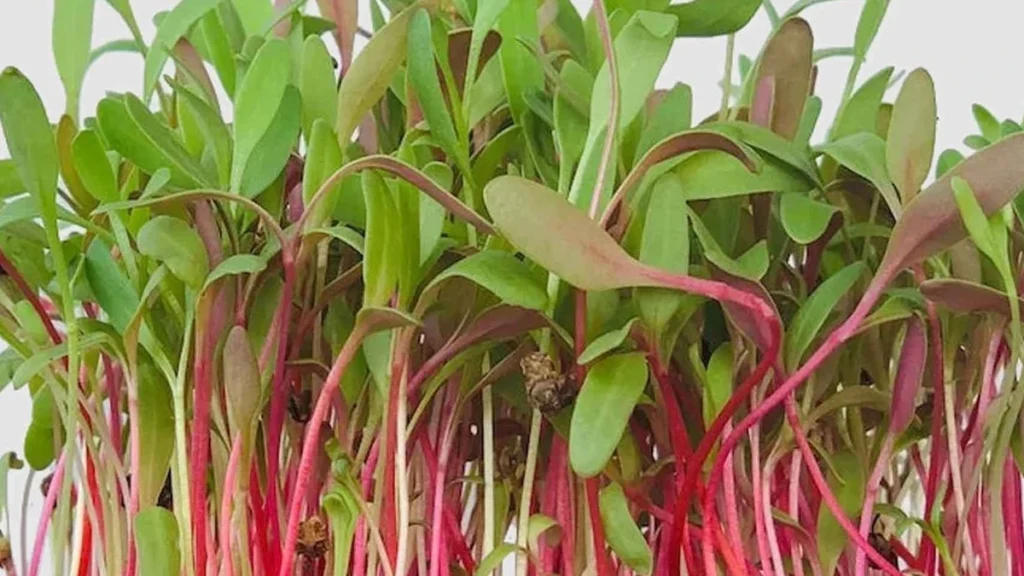
Tired of bland salads and limp store-bought greens. Swiss chard microgreens bring color, crunch, and serious nutrition to your plate in just a few days. These little powerhouses are incredibly easy to grow right at home, no garden required.
They thrive in small spaces and need minimal attention, making them perfect for busy kitchens. Their vibrant stems and tender leaves not only brighten up your meals but also support your health with a rich blend of vitamins, minerals, and antioxidants.
From topping your toast to boosting your bowls, these greens are as tasty as they are beautiful. Growing your own has never felt so rewarding 🌿✨🥗
What Are Swiss Chard Microgreens?
Swiss chard microgreens are the tender, young shoots of the Swiss chard plant, harvested within 10 to 14 days of germination, before the plant develops true mature leaves. Unlike baby greens or full-sized chard, microgreens are cut just above the soil line when the first true leaves emerge, offering a concentrated package of nutrients, flavor, and color.
Swiss chard itself is a leafy green from the beet family, Beta vulgaris, selected through breeding to prioritize its tender, colorful leaves over root development. These characteristics carry over into the microgreen stage, where their stems exhibit vibrant hues, commonly ruby red, fuchsia, golden yellow, and bright white. One of the visual advantages of Swiss chard microgreens is their aesthetic appeal. Their color variation makes them especially attractive as garnishes or additions to gourmet plates.
In contrast to full-grown Swiss chard, which may take 50 to 60 days to reach maturity, microgreens offer a significantly faster crop cycle. This makes them an appealing option for indoor gardeners or small-space growers looking to quickly produce nutrient-rich greens year-round.
Swiss chard is sometimes referred to as silver beet or rainbow chard. While these terms often apply to the mature form, they are equally applicable to the microgreen variety depending on the seed mix used. When grown indoors or under controlled light, the colors remain vibrant, and the textures are especially tender, which is an advantage over the tougher stalks and sometimes fibrous leaves of older chard.
Nutritional and Health Benefits of Swiss Chard Microgreens
Swiss chard microgreens are a nutritional powerhouse. Their nutrient density in the early growth stage is significantly higher thanthat of their mature counterparts. According to a joint study by the USDA and the University of Maryland, microgreens can contain up to 40 times the levels of vital nutrients such as vitamins C, E, and K compared to their mature versions. This makes them one of the most efficient crops for maximizing dietary benefits in minimal space.
These tiny greens are packed with vitamin A in the form of beta-carotene, vitamin C for immune health, and vitamin K for blood clotting and bone strength. They are also rich in magnesium, potassium, and iron, essential minerals for maintaining energy levels, cardiovascular health, and preventing anemia. Additionally, Swiss chard is high in antioxidants, including betalains and flavonoids, which are known for their anti-inflammatory and anti-aging effects.
One benefit of Swiss chard microgreens over some other leafy greens, like spinach, is their relatively lower oxalate content. Oxalates can interfere with calcium absorption and may contribute to kidney stone formation. For individuals managing oxalate intake, Swiss chard offers a safer alternative without sacrificing nutrient value.
A consistent intake of Swiss chard microgreens can support a range of health goals, including reducing oxidative stress, maintaining healthy blood pressure, enhancing digestion due to fiber content, and supporting the nervous system with folate and magnesium. Moreover, the presence of phytonutrients in microgreens plays a role in cellular repair and may offer protective effects against chronic diseases.
The flavor of Swiss chard microgreens is milder than that of other greens like kale, which makes them ideal for individuals or children who may find stronger greens unpalatable. This mildness was emphasized by a grower who noted that Swiss chard is among the most tender and agreeable leafy vegetables, especially when prepared thoughtfully.
Why Grow Swiss Chard as Microgreens
Swiss chard is an ideal candidate for microgreen cultivation for both novice and experienced gardeners. The reasons range from its appealing flavor and vibrant appearance to its resilience and ability to grow indoors year-round.
One key reason to grow Swiss chard as microgreens is its mild, slightly earthy taste with a hint of sweetness. Unlike arugula or mustard greens, which can have a peppery bite, Swiss chard microgreens offer a gentle flavor profile that blends seamlessly into both raw and cooked dishes. This makes them highly versatile, suitable for smoothies, sandwiches, soups, or even egg dishes.
In a home garden, one grower explained how Swiss chard adapts beautifully to a variety of conditions and even self-seeds outdoors in mild climates. For indoor growing, this adaptability translates into high germination rates, consistent growth, and relative pest resistance. When grown in trays under lights, Swiss chard tends to produce a uniform crop that is slow to bolt and relatively resistant to damping-off disease, a common problem in other microgreens.
Another compelling advantage lies in their aesthetic value. The brilliant red, pink, yellow, and white stems add vibrant contrast to any meal. Visual appeal is an important factor for chefs and home cooks alike, especially when plating food for guests or photographing for social media. Microgreens from rainbow chard seeds often express a diverse range of colors in a single tray, turning an ordinary salad into a visual delight.
Swiss chard also grows well in cooler conditions, making it a particularly good choice for those without heating mats or who live in temperate zones. While it grows a bit more slowly than faster sprouting microgreens like radish or mustard, the payoff in flavor, nutrient density, and visual interest more than justifies the wait.
Additionally, Swiss chard offers a practical growing advantage. Once harvested as microgreens, the leftover seed hulls and roots can be composted back into the garden or used in worm bins, contributing to a low-waste, circular gardening model.
🌿 Recommended Microgreens Supplies |
Step-by-Step Guide to Growing Swiss Chard Microgreens
Growing Swiss chard microgreens at home requires minimal space, tools, and time. While Swiss chard microgreens can take a few days longer to mature than faster sprouting greens like radish or mustard, they reward the grower with vibrant color, mild flavor, and concentrated nutrition. Here is a detailed step-by-step process for cultivating them successfully:
1. Choose High-Quality Seeds
Start with untreated, non-GMO Swiss chard seeds. Rainbow chard seed mixes are especially popular for their colorful stems and visual diversity. Popular varieties for microgreens include ‘Bright Lights,’ ‘Fordhook Giant,’ and ‘Vulcan Red,’ many of which were cited by gardeners for their persistence and ability to naturalize well.
2. Soak (Optional)
Swiss chard seeds have a tough outer coating and irregular shape, similar to beet seeds. Some growers prefer to soak the seeds in water for 4 to 8 hours before sowing to encourage faster germination. However, this step is optional and may increase the risk of mold if drainage and airflow are not well maintained.
3. Prepare the Growing Medium
Use a shallow tray with good drainage, filled with a sterile, fine-textured growing medium such as coco coir, peat moss, or a high-quality microgreen-specific soil mix. Moisten the medium thoroughly without saturating it. Swiss chard prefers a neutral pH between 6.0 and 7.0.
4. Sow Seeds Evenly
Distribute the seeds evenly across the surface. Avoid overseeding since Swiss chard microgreens grow a bit larger and benefit from extra space to allow airflow. Gently press the seeds into the surface of the soil without covering them, as light can assist germination.
5. Cover and Germinate
Use a humidity dome or blackout lid to cover the seeds. This keeps them in the dark and maintains humidity during germination. Keep them covered for 4 to 6 days, checking daily for moisture and signs of sprouting. Swiss chard can take 5 to 7 days to germinate, which is slower than many other microgreens.
6. Provide Light
Once germinated and ½ inch tall, remove the cover and place the tray under grow lights or a sunny windowsill. Provide 12 to 16 hours of light per day to promote healthy, colorful growth. LED or fluorescent full-spectrum lights work best indoors. Without enough light, the seedlings will become leggy and pale.
7. Water Carefully
Water from the bottom by placing the tray in a shallow reservoir of water. This prevents oversaturation of the leaves and helps reduce the risk of mold. Avoid overhead watering unless necessary.
8. Harvest at the Right Time
Swiss chard microgreens are typically ready to harvest in 10 to 14 days, when the first true leaves appear. Use clean scissors to snip the greens just above the soil line. Do not pull from the roots to avoid introducing soil or damaging the tray for future reuse.
9. Storage
After harvest, gently pat dry any moisture and store microgreens in an airtight container in the refrigerator. They typically stay fresh for 5 to 7 days when properly dried and cooled.
Common Problems and Solutions When Growing Swiss Chard Microgreens
Growing microgreens is generally straightforward, but Swiss chard presents a few specific challenges due to its slower growth rate and seed shape. Understanding common issues and their solutions will ensure a healthy crop:
1. Slow Germination
Swiss chard germinates more slowly than quick growers like radish or broccoli. This is not a problem, but part of its natural growth cycle. Maintain consistent humidity and warmth during germination. You may soak the seeds beforehand to speed up the process slightly, though care must be taken to avoid mold.
2. Uneven Growth
Due to the multicolored seed mixes and natural genetic diversity, Swiss chard microgreens may exhibit uneven growth in height and color. This variation is normal and contributes to their aesthetic appeal. Thinning may be helpful for air circulation and more uniform maturity.
3. Mold or Damping-Off
High humidity and poor airflow can cause fungal diseases, especially during germination. Use a clean tray, sterile soil, and avoid overcrowding. Watering from the bottom helps minimize wet leaves and mold. Adding a small fan to improve airflow can reduce disease incidence.
4. Seed Hulls Sticking to Leaves
Swiss chard seeds, like beets, often cling to their hulls after germination. Gently brushing the tops or lightly misting can help loosen these. However, if you plan to harvest young, you may leave hulls intact and simply rinse before eating.
5. Pale or Leggy Microgreens
Inadequate light is the primary cause of leggy, pale seedlings. Ensure they receive full-spectrum grow light for 12 to 16 hours daily, or grow near a bright south-facing window.
6. Bitter or Stringy Texture
If left too long before harvest, Swiss chard microgreens can become slightly fibrous, especially in the stem. Harvesting promptly at the right stage improves tenderness. A gardener who grows full-size chard noted that the stalks and leaves cook at different rates, which applies to microgreens as well, in terms of texture. Chopping them into small, uniform pieces before use increases palatability.
Harvesting and Storing Swiss Chard Microgreens
Timing is critical when harvesting microgreens to ensure maximum flavor, nutrition, and texture. Swiss chard microgreens are typically ready 10 to 14 days after planting, when they reach 2 to 4 inches in height and display their first set of true leaves. The true leaves may have slightly curled edges or display hints of color depending on the variety.
Harvesting Tips
Use clean, sharp scissors or a serrated knife to cut the microgreens just above the soil level. Cut in small batches to avoid bruising the leaves. Avoid pulling the plants up from the roots, as this introduces soil and microorganisms into your harvest and makes cleanup difficult.
If you notice that some stems are thicker or more fibrous, separate them or cut them into smaller pieces before serving. A gardener who prepares mature Swiss chard emphasized the importance of separating stalks from leaves to optimize texture and avoid overcooking or stringiness. The same principle applies to microgreens when used in hot dishes.
Post-Harvest Handling
After cutting, gently remove any seed hulls that remain attached. Rinse the greens lightly if necessary, and dry them thoroughly using a salad spinner or patting with a paper towel. Excess moisture will lead to faster spoilage in storage.
Storage Guidelines
Place the microgreens in a paper towel-lined airtight container. Store in the crisper drawer of your refrigerator at a consistent temperature around 38°F to 40°F. When properly stored, Swiss chard microgreens will remain fresh for about 5 to 7 days.
To preserve maximum flavor and nutritional value, use them within 3 days. Avoid storing them in plastic bags without airflow, as this traps humidity and accelerates spoilage.