
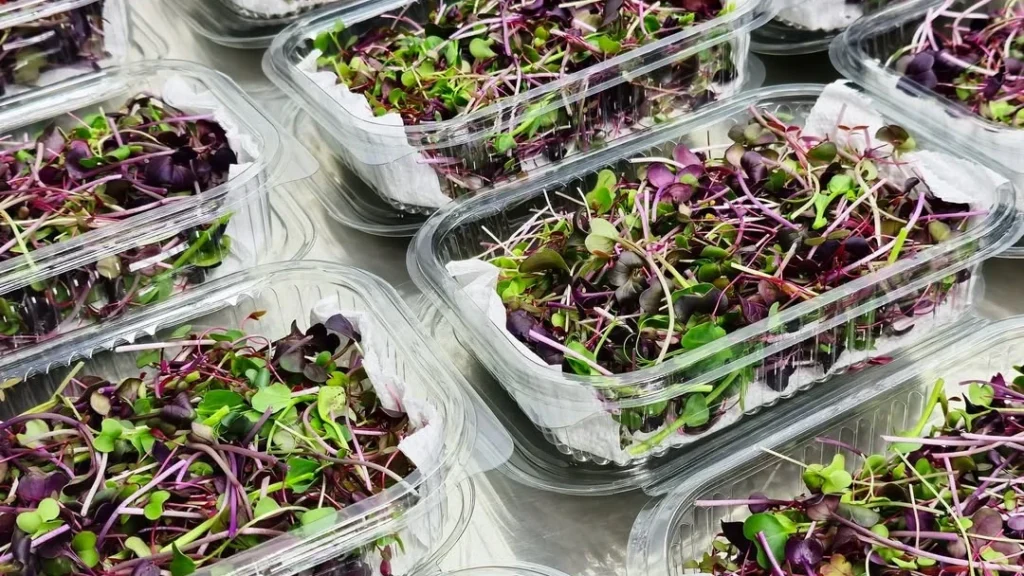
Fresh salads just got a major glow-up with the power of microgreens. These tiny greens may look delicate, but they pack a serious punch of flavor and nutrition.
From the crisp bite of radish microgreens to the nutty crunch of sunflower shoots and the vibrant pop of amaranth, your salad bowl will go from boring to bold in seconds.
Microgreens aren’t just pretty toppings—they bring more vitamins, minerals, and antioxidants than their mature versions. If you’re all about keeping things fresh, colorful, and nutrient-rich, this is your secret ingredient.
Get ready to level up your greens game with the freshest varieties that actually make salads exciting again 🥗🌱💚
Nutritional Power of Microgreens
Microgreens are not just a trendy garnish. They’re miniature nutritional powerhouses. Multiple studies, including a landmark one by the University of Maryland in collaboration with the USDA, have confirmed that microgreens can contain 4 to 40 times more vitamins and antioxidants than their mature counterparts. This is due to the plant concentrating all its energy in the early stage of development, resulting in denser levels of vital nutrients like vitamin C, E, K, lutein, and beta-carotene.
Microgreens like broccoli, mustard, and kale are especially rich in bioactive compounds like sulforaphane and glucosinolates, which are associated with cancer prevention, liver detoxification, and anti-inflammatory effects. For example, broccoli microgreens have been noted to contain up to 20–50 times more sulforaphane than full-grown broccoli florets, making them a premium ingredient for functional salads.
Further, microgreens are low in calories but high in impact. A typical 50g serving of a microgreen salad mix might contain fewer than 20–25 calories, yet deliver upwards of 70–100% of daily vitamin C needs and over 50% of vitamin K, depending on the mix. That makes them a strategic addition for individuals managing blood sugar, weight loss, or cardiovascular conditions.
Microgreens also support digestion due to their high enzymatic activity and can improve nutrient absorption when paired with fats or fermented foods in a salad.
Best Microgreen Varieties for Nutritious Salads
Spicy Salad Mix
The Spicy Salad Mix is a carefully curated blend that typically includes kohlrabi, broccoli, mustard, arugula, and sometimes tatsoi. This mix is widely regarded in the microgreens industry as one of the most nutrient-dense and flavorful combinations for salads.
This mix is not only extremely popular with customers but also practical for growers, offering strong germination, visual appeal, and a balanced heat level. Each component plays a role:
- Broccoli and kohlrabi provide sulforaphane and glucoraphanin, known for supporting detox pathways.
- Mustard adds bold flavor along with vitamin E and selenium.
- Arugula contributes nitrates for cardiovascular support and a sharp, peppery zing.
The mix is particularly effective in salads because it provides a range of textures—from the soft crunch of kohlrabi to the tender spiciness of mustard—while maintaining a consistent 8–10 day harvest cycle, which ensures freshness.
Broccoli Microgreens
Broccoli microgreens stand out due to their exceptional sulforaphane content, a compound that has gained attention in nutrigenomics for its ability to activate detoxification enzymes in the liver and neutralize free radicals. This makes it one of the most researched microgreens from a health perspective.
In salad formulations, broccoli microgreens serve both as a mild-tasting base and a functional nutrition booster. They offer high levels of vitamin C, beta-carotene, and fiber in a tender, neutral-flavored leaf that can balance out more aggressive greens like mustard or radish.
Broccoli is a staple crop due to its reliability and yield. It also stores well post-harvest, retaining freshness for up to 7–10 days when refrigerated properly.
Salad makers often use it as a “canvas green” and combine it with stronger flavors to build custom nutrient profiles for different dietary needs, including anti-inflammatory, detox, or low-oxalate protocols.
Arugula Microgreens
Arugula microgreens are favored in gourmet salad formulations due to their sharp, peppery taste and high nutrient density. Rich in vitamin K, calcium, and folate, arugula supports bone health, blood clotting, and cardiovascular function.
What makes arugula special as a microgreen is its concentrated nitrate content, which has been shown in clinical trials to reduce blood pressure and enhance athletic performance. When eaten raw in salads, these nitrates are converted into nitric oxide, a molecule that improves vascular dilation.
However, arugula microgreens require precise growing conditions. They have a more fragile structure and can be prone to bolting or uneven growth, especially in warm climates. Therefore, they’re best harvested early—often around day 8—to retain tenderness and optimal flavor.
They provide a bold contrast to sweeter greens and pair well with citrus dressings, soft cheeses, and roasted vegetables.
Mustard Microgreens
Mustard microgreens bring bold flavor and metabolic support to salads. Their spicy, horseradish-like taste stimulates the palate and digestion, while their glucosinolate content promotes liver health and may have anti-carcinogenic properties.
Mustard greens are especially high in vitamins A and E, which contribute to skin health, immune function, and eye protection. Their fiery flavor makes them ideal for use in small quantities as a flavor booster or to mimic wasabi-style spice in Asian salads.
Kale Microgreens
Kale has long been known as a superfood, and in its microgreen form, it becomes even more concentrated in health-promoting nutrients. Kale microgreens offer a mild, slightly sweet taste and are often used as a base green in premium salads due to their dense nutrient profile and soft leaf structure.
Kale varieties such as Toscano (also known as dinosaur kale) and Red Russian are top performers. They are easy to grow, present a uniform appearance, and appeal to chefs due to their vivid color, tenderness, and long shelf life when stored properly.
From a nutritional standpoint, kale microgreens contain:
- High levels of vitamin K (critical for bone density and blood clotting)
- Lutein and zeaxanthin, which protect against age-related macular degeneration
- Vitamin C is essential for collagen synthesis and immune function
- Calcium and potassium, which support heart health
Studies have shown that kale microgreens contain up to 10 times the vitamin C and polyphenols of mature kale. This makes them ideal for building functional salad blends targeting anti-aging, cardiovascular health, and inflammation reduction.
In addition, kale microgreens’ neutral but sweet taste balances spicier varieties in salad mixes and complements fruit-forward ingredients like apple or pear slices often found in wellness bowls.
Radish Microgreens
Radish microgreens are a top choice for high-flavor, high-impact salad greens. Their sharp, peppery taste and bright coloration (especially in varieties like Red Rambo and Daikon) provide both aesthetic and nutritional value.
Radish is one of the most beginner-friendly microgreens. It is fast-growing, generally harvestable by day 6–8, and boasts a high germination rate with strong vertical growth, making it easy to handle and mix into salads.
Radish microgreens are rich in:
- Glucosinolates, which enhance liver detoxification
- Anthocyanins, particularly in red varieties, which reduce oxidative stress
- Vitamin C and folate ssupportimmune health and cell regeneration
In salads, radish microgreens deliver a crunchy bite and pungent heat that can replace traditional salad radishes or even spicy condiments. Their fiery flavor encourages satiety and digestive enzyme production, which supports gut health and metabolism.
When combined with creamier textures like avocado or goat cheese in a salad, radish microgreens provide balance and depth. Their rootlike zing also makes them ideal for Asian, Mediterranean, and fusion salad dishes.
Sunflower Microgreens
Sunflower microgreens are often described as the “protein of the microgreen world.” Their nutty, earthy flavor and substantial crunch make them a meaty base green in microgreen salads or power bowls.
From a nutritional perspective, sunflower microgreens are rich in:
- Plant-based protein (about 25–30% by dry weight)
- Vitamin E is a powerful antioxidant that supports skin health and cellular repair.
- Zinc, vital for immune function and reproductive health
- Magnesium and phosphorus are important for muscle and nerve function
What sets sunflower apart in salads is texture and satiety. While most microgreens are delicate and wispy, sunflower shoots are hearty and fibrous, offering chew and bulk. This makes them an excellent base for salad-centric meals, especially for plant-based diets.
Sunflower seeds can be tricky to grow (due to hull adhesion), but with presoaking and even pressure during germination, they produce high-yield, robust greens within 8–10 days. They are a staple in commercial salad kits and are often sold as standalone clamshells in premium grocery stores.
Additionally, sunflower microgreens pair well with citrus, nuts, seeds, and vinaigrettes — and are often used in macro bowls, grain salads, or high-protein vegan dishes.
Microgreen Freshness Techniques for Salad-Ready Greens
Maintaining freshness is a critical concern for anyone growing, selling, or consuming microgreens, particularly when used in raw salads. Because they are harvested at such a tender stage, microgreens are vulnerable to wilting, oxidation, and microbial growth if not handled correctly.
1. Optimal Harvest Timing
Microgreens are typically harvested between days 7 and 10, depending on the variety. The goal is to cut them before the true leaves emerge, when the plant is still storing maximum energy and water content. Delayed harvest can lead to lignified stems and bitterness, which affects salad palatability.
2. Gentle Harvesting & Sanitation
Harvesting is done with sanitized scissors or blades to reduce microbial load. Growers avoid handling food with their bare hands and often use food-safe gloves. Any soil contact is minimized, especially for salad greens, where no cooking step will follow.
3. Immediate Cooling
Post-harvest, microgreens should be cooled immediately to 2–4°C (36–39°F). This halts respiration and enzyme activity that can lead to spoilage. Salad producers often use cooling tunnels, refrigerators, or cold water submersion (hydrocooling) followed by careful drying.
4. Moisture Control
Microgreens should be dry before packaging, as moisture invites bacterial growth. Salad-ready microgreens are packed in breathable containers or clamshells with humidity pads or vented lids to allow airflow while preventing dehydration.
5. Packaging
Proper packaging is a cornerstone of freshness. Clamshells made from recycled PET with slits or air vents maintain humidity while allowing gas exchange. Modified atmosphere packaging (MAP) is sometimes used for larger-scale salad producers.
6. Storage Duration
Most microgreens, when harvested and stored correctly, have a shelf life of 5 to 10 days. Varieties like sunflower and broccoli tend to last longer, while arugula and mustard are more perishable. This is crucial for salad operations that require batch prepping and distribution.
How to Create Microgreen Salad Blends
Crafting well-balanced microgreen salad blends requires both an understanding of flavor synergy and a nutritional strategy. Unlike traditional salad greens, microgreens offer intensified flavors and denser nutrition, which means a little goes a long way. The goal in blending is to create complexity without overwhelming the palate.
1. Flavor Layering Strategy
Blends should include:
- Base greens for volume and softness (e.g., sunflower, kale, pea shoots)
- Accent greens for punch and spice (e.g., radish, mustard, arugula)
- Herbal notes for brightness (e.g., cilantro, basil, dill)
For example, a blend of sunflower + radish + cilantro microgreens brings nutty body, peppery heat, and fresh citrusy notes—making it a vibrant addition to both Latin-inspired and Asian salads.
2. Color and Texture Diversity
Color plays a big role in salad appeal. Microgreens like Red Garnet amaranth or Red Rambo radish can elevate visual presentation. Textural contrast also improves mouthfeel. Sunflower and pea shoots provide crunch, while arugula and mizuna bring a soft, feathery texture.
3. Nutrient Complementarity
Blending by nutrition is equally important. A salad blend might aim to be:
- Detoxifying: Broccoli (sulforaphane) + red cabbage (anthocyanins) + cilantro (chelating agents)
- Immune-boosting: Kale (vitamin C) + sunflower (vitamin E) + radish (zinc)
- Heart-healthy: Mustard (nitrates) + amaranth (potassium) + basil (magnesium)
Professional growers create pre-packaged microgreen blends using this concept to meet customer demand for targeted health benefits.
4. Size and Stem Selection
Not all microgreens are suitable in the same proportions. Spicier ones like mustard or radish should make up no more than 20% of a blend, while sunflower and kale can form 50–60% due to their milder taste. Avoid overmixing microgreens with thick stems or varied heights, which can result in clumping and uneven presentation.
Pairing Microgreens with Dressings and Ingredients
While microgreens shine on their own, thoughtful pairing with salad dressings and ingredients enhances both taste and function. Given their delicate textures and concentrated flavors, microgreens work best with light to medium-bodied dressings and complementary ingredients.
1. Dressing Pairing by Microgreen Type
- Radish, mustard, arugula: Match with creamy dressings (yogurt-tahini, avocado-lime) to temper the heat.
- Sunflower and kale: Pair with vinaigrettes (balsamic, lemon-Dijon) to brighten their earthy notes.
- Cilantro, basil, dill: Enhance with citrus-based or ginger-sesame dressings for aromatic synergy.
Avoid overpowering microgreens with heavy mayonnaise-based or sugary dressings that mask their nuanced flavors.
2. Ingredient Compatibility
Microgreens pair exceptionally well with:
- Fruits: Apples, pears, mango, pomegranate (add sweetness to balance spice)
- Cheese: Goat cheese, feta, blue cheese (add richness and umami)
- Nuts and seeds: Almonds, sunflower seeds, pumpkin seeds (enhance texture and nutrition)
- Grains: Quinoa, farro, couscous (create heartier salad bowls)
Chefs and grocers are increasingly building “functional food bowls” around microgreens as a core ingredient, blending them with proteins and fats for complete meals.
Consumer Trends and Market Demand for Microgreen Salads
Microgreens are no longer a niche garnish. Their rapid growth in popularity is driven by trends in wellness, sustainable eating, and visual food appeal. When marketed as part of premium salad kits or customizable salad bowls, microgreens command higher retail margins and cater to multiple growing consumer segments.
1. Nutritional Awareness Driving Demand
According to USDA research, microgreens can contain up to 40 times the nutrients of their mature counterparts. This appeals strongly to health-conscious consumers looking for antioxidant-dense, anti-inflammatory, and gut-healthy foods.
Salads are increasingly being marketed not just as meals, but as “functional wellness solutions,” where microgreens act as star ingredients offering clear health claims (e.g., immune-boosting, detox, anti-aging).
2. Retail Expansion
Major grocery stores, especially in urban and health-conscious areas, are seeing a growing trend in clamshell-packaged salad mixes that feature microgreens. Brands are also offering ready-to-eat salad kits with microgreens, dressings, and toppings — often sold at a premium ($6–$10 per unit).
This signals a strong retail channel for growers or salad entrepreneurs focused on microgreen-based products.
3. Sustainability & Local Sourcing
Microgreens are often grown hydroponically or in vertical farms, reducing land, water, and transport needs. This environmentally conscious appeal resonates with consumers prioritizing climate impact and local food systems. Farmers’ markets and CSAs (Community Supported Agriculture) are significant sales channels.
4. Meal Delivery and Subscription Models
Some growers are now partnering with meal delivery services to include microgreens in pre-portioned salad bowls or wellness packages. Subscription models offering weekly microgreen salad mixes for home use have also emerged, with curated blends targeting specific health benefits.
🌿 Recommended Microgreens Supplies |