
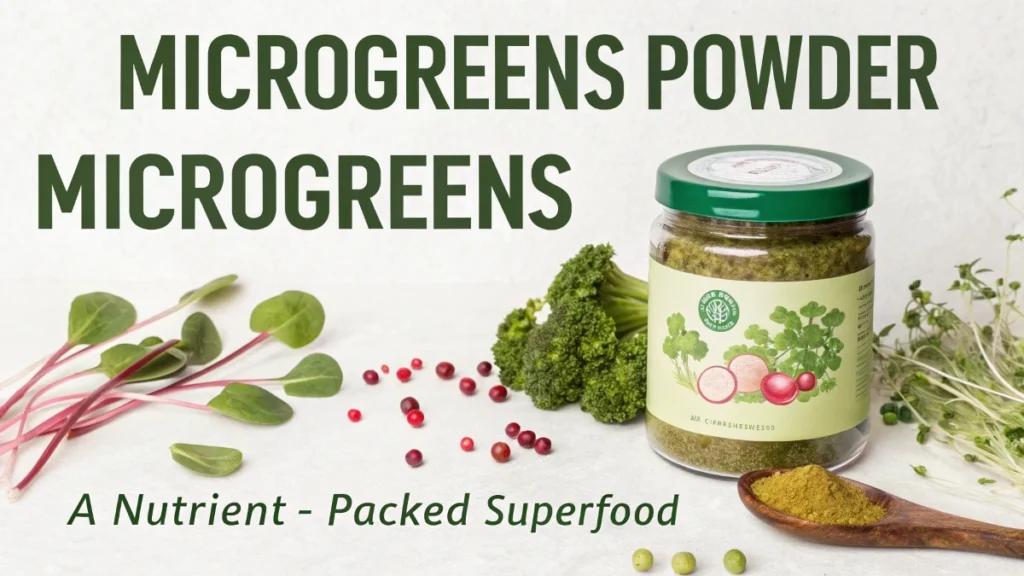
Microgreens powder is a powerful and convenient way to boost your nutrition. Packed with essential vitamins, minerals, and antioxidants, it provides a concentrated dose of nutrients in a tiny, easy-to-use form.
Whether you’re looking to enhance your smoothies, soups, or homemade seasonings, this nutrient-dense powder offers a quick way to incorporate microgreens into your daily routine.
Made from dehydrated or freeze-dried microgreens, it retains most of the health benefits, including immune support, digestive health, and heart health. With its long shelf life and versatility, microgreens powder is the perfect addition to any diet, offering a sustainable, superfood-packed solution for busy individuals.
Nutritional Powerhouse in a Tiny Package
Micronutrients: Packed with Essential Vitamins
Microgreens powder is a rich source of essential micronutrients that are crucial for your overall health. It contains high levels of vitamin C, with some microgreens varieties offering up to 123.2 mg per 100g. This is significantly more than the vitamin C found in mature vegetables. Vitamin C is known for its immune-boosting properties, helping your body fight infections and repair tissues. Additionally, microgreens powder is rich in vitamin A, essential for maintaining healthy vision, and folate, which supports cell growth and prevents birth defects.
Macronutrients: Protein and Fiber in Abundance
Despite their small size, microgreens are packed with macronutrients. Microgreens powder can provide you with significant amounts of protein, with some varieties like amaranth offering up to 3.8g per 100g. This makes microgreens powder a great plant-based protein source, particularly for vegetarians and vegans. Additionally, microgreens powder contains fiber, which aids digestion and supports a healthy gut. Regular consumption of fiber is linked to improved digestive health and better weight management.
Minerals: Essential for Bone and Heart Health
Microgreens powder also contains essential minerals, including iron, calcium, magnesium, and potassium. For instance, broccoli microgreens are rich in iron, providing 2610 µg per 100g. These minerals play a critical role in supporting bone health, cardiovascular function, and oxygen transport in the blood. Calcium, found in microgreens powder, is vital for maintaining strong bones and teeth, while magnesium supports muscle function and reduces the risk of heart disease. Potassium helps in regulating blood pressure and maintaining fluid balance in the body.
Antioxidants: A Boost for Your Body
One of the standout features of microgreens powder is its high antioxidant content. These antioxidants, such as flavonoids and phenolic compounds, help fight oxidative stress in the body. Regular intake of antioxidants is linked to a reduced risk of chronic diseases, such as heart disease, cancer, and diabetes. For example, broccoli microgreens have a remarkable antioxidant profile, offering 825.53 mg GAE per 100g. These compounds protect your cells from damage caused by free radicals, promoting overall health and longevity.
Preservation Methods: Freeze-Drying vs. Dehydrating
Freeze-Drying: Retaining Maximum Nutrients
Freeze-drying is one of the most effective methods for preserving microgreens powder. This process involves removing moisture from the microgreens by subjecting them to low temperatures in a vacuum. Freeze-drying ensures that the microgreens retain their nutritional content, with minimal loss of vitamins, minerals, and antioxidants. In fact, freeze-dried microgreens can retain up to 95% of their original nutrients. This method allows microgreens powder to have a long shelf life, sometimes up to 25 years when stored correctly. Freeze-drying is particularly effective at preserving heat-sensitive nutrients like vitamin C and antioxidants, which can degrade during other preservation methods.
Dehydrating: A More Accessible Option
Dehydrating microgreens, on the other hand, involves removing moisture using heat. While this method is less nutrient-retentive than freeze-drying, it still preserves most of the essential vitamins and minerals. Dehydrated microgreens powder retains around 40-60% of heat-sensitive nutrients like vitamin C. The dehydrating process is more accessible and can be done with a simple food dehydrator, making it a great option for individuals who want to preserve their homegrown microgreens. Dehydrated microgreens powder can last for up to 1-3 years, depending on how it is stored.
Health Benefits of Microgreens Powder
Microgreens powder is not just a convenient supplement for your diet but also a powerful way to boost your overall health. Here are some key health benefits:
Immune Support: Strengthening Your Body’s Defenses
Microgreens powder is an excellent source of vitamin C, which plays a crucial role in boosting your immune system. This vitamin helps stimulate the production of white blood cells, which are responsible for defending the body against pathogens. Additionally, the antioxidants in microgreens powder protect your immune system from oxidative damage, allowing it to function more effectively.
Digestive Health: Promoting Gut Function
The fiber content in microgreens powder supports digestive health by promoting regular bowel movements and maintaining a healthy gut microbiome. Fiber helps prevent constipation, reduces the risk of colon cancer, and supports overall gut health by feeding beneficial bacteria. Regular consumption of microgreens powder can contribute to a well-balanced digestive system.
Heart Health: Supporting a Healthy Heart
Microgreens powder is rich in heart-healthy minerals such as potassium, magnesium, and calcium. Potassium helps lower blood pressure, while magnesium is vital for heart rhythm regulation. Calcium supports strong arteries and blood vessels, which helps prevent cardiovascular diseases. By incorporating microgreens powder into your daily diet, you can provide your heart with the essential nutrients it needs to function properly.
Bone Health: Strengthening Your Bones
Calcium and magnesium, two key minerals found in microgreens powder, play a vital role in maintaining strong bones and preventing bone-related diseases like osteoporosis. Regular intake of these minerals helps improve bone density and supports the proper functioning of bone cells. Microgreens powder can be a great addition to your diet if you’re looking to enhance your bone health and strength.
How to Incorporate Microgreens Powder into Your Diet
Microgreens powder is versatile and can be easily incorporated into various meals and drinks to boost their nutritional value.
Smoothies: Start Your Day Right
One of the simplest and most effective ways to incorporate microgreens powder into your diet is by adding it to your morning smoothie. A teaspoon of microgreens powder can provide you with a concentrated dose of vitamins, minerals, and antioxidants. Blend it with fruits, vegetables, and your choice of liquid for a quick and nutrient-dense breakfast that will fuel your day.
Soups & Stews: Add Flavor and Nutrition
You can also stir microgreens powder into soups, stews, and broths for an added nutritional boost. Its mild, earthy flavor complements many types of dishes, enhancing both their taste and nutritional content. Whether it’s a winter vegetable soup or a summer gazpacho, microgreens powder can elevate your cooking while providing your body with essential nutrients.
Seasoning: Flavorful & Nutritious
Microgreens powder can double as a seasoning for your meals. Sprinkle it on top of salads, grains, or roasted vegetables for a boost of flavor and nutrition. Depending on the type of microgreens used, it can add a subtle peppery or leafy taste, making it an excellent addition to your spice collection.
Capsules: Convenient Daily Intake
If you prefer not to taste the greens, you can encapsulate the microgreens powder and take it as a supplement. This is a great option for people who want to benefit from the nutrients in microgreens without the flavor. Simply take a capsule daily with water to enjoy the health benefits of microgreens powder.
DIY Guide: Making Your Own Microgreens Powder
If you want to take control of your health and food sources, making your own microgreens powder can be a fun and rewarding project. With just a few basic supplies and a bit of time, you can grow, preserve, and process your own nutrient-packed microgreens into powder. Here’s a simple guide to help you get started.
Growing Microgreens: A Simple and Cost-Effective Process
The first step in making microgreens powder is to grow your own microgreens. You don’t need a garden or outdoor space for this — microgreens can be grown indoors on a windowsill, making it easy for anyone to try. Here’s how you can get started:
- Choose Your Microgreens: Some of the best microgreens for powdering include broccoli, arugula, radish, and pea shoots. These varieties are nutrient-dense and easy to grow. You can buy bulk seeds specifically for microgreens, which are often cheaper and perfect for small spaces.
- Growing Method:
- Soil: For beginners, growing microgreens in soil is the simplest option. You can use seed trays or shallow containers filled with organic potting soil.
- Hydroponics: For a slightly more advanced method, hydroponics allows you to grow microgreens in water. It requires a bit more setup, but it uses no soil, which some people prefer for cleanliness.
- Aeroponics: This method involves growing microgreens with their roots suspended in the air and misted with water, providing an ultra-efficient way to grow them indoors.
- Care: Microgreens need little attention. They thrive with a steady supply of water, ample light (either natural or from grow lights), and the right temperature (typically between 65°F and 75°F). The typical growing cycle from germination to harvest is 10 to 14 days, depending on the variety.
Harvesting and Preparing Microgreens
Once your microgreens have sprouted their true leaves (the second set of leaves that appear after the initial cotyledons), it’s time to harvest. This is the ideal time to maximize the nutritional content of your microgreens.
- Harvesting: Using clean, sharp scissors or shears, snip the microgreens just above the soil or growth medium. You can also remove them in batches if you have different stages of growth in your tray.
- Cleaning: Gently rinse the microgreens to remove any dirt or debris. Let them dry thoroughly before moving on to the next step. Proper drying is important to ensure that the microgreens retain their flavor and nutrients during the dehydration or freeze-drying process.
Dehydrating or Freeze-Drying Microgreens
There are two main ways to preserve your microgreens: dehydrating and freeze-drying. Both methods can help lock in nutrients while providing a long shelf life for your microgreens powder.
- Dehydrating:
- Process: Spread your cleaned microgreens on dehydrator trays and set the dehydrator to a low temperature (usually around 95°F to 115°F). Dehydrating microgreens typically takes 4-6 hours, depending on the moisture content.
- Benefit: Dehydrating is a simple and cost-effective method, requiring just a basic food dehydrator. However, note that dehydration can cause some loss of heat-sensitive nutrients, such as vitamin C.
- Freeze-Drying:
- Process: Freeze-drying involves freezing the microgreens and then removing the moisture under vacuum conditions. This process helps retain a higher percentage of nutrients compared to dehydrating.
- Benefit: Freeze-dried microgreens retain up to 95% of their nutrients, including antioxidants and vitamin C, which are often lost in traditional drying methods. Freeze-drying also preserves the flavor and texture better.
Grinding into Powder
Once your microgreens are completely dehydrated or freeze-dried, the next step is grinding them into a fine powder.
- Grinder: You can use a coffee grinder, a blender, or a specialized herb grinder. The goal is to turn your dried greens into a fine powder that can be easily added to drinks, dishes, or capsules.
- Consistency: Make sure the powder is fine and even. Any larger particles can result in a less smooth texture, which might not dissolve well in liquids.
Storing Microgreens Powder
Proper storage is crucial to maintaining the shelf life and nutritional value of your microgreens powder.
- Storage Containers: Use airtight containers such as mason jars or vacuum-sealed bags. If you’re using a vacuum-sealed bag, consider adding an oxygen absorber to prevent any air from compromising the powder’s freshness.
- Location: Store the powder in a cool, dry place away from direct sunlight. A pantry or cupboard is usually ideal. If stored correctly, dehydrated microgreens powder can last up to 1-3 years, while freeze-dried powder can last up to 25 years.
Considerations and Precautions
While microgreens powder is an excellent supplement, it’s important to keep a few things in mind when using or making it.
Taste
The taste of microgreens powder can vary depending on the variety. Some varieties, like radish or mustard, can be quite peppery, while others, such as pea shoots, also have a sweeter flavor. When incorporating it into your diet, start with small amounts to gauge how much you like the flavor.
Allergies
If you have allergies to certain vegetables or plants, it’s important to consider the specific microgreens you are consuming. Always check the ingredients to ensure they are safe for you to eat.
Quality Control
When making your own microgreens powder, make sure that the drying process is done correctly. Improper drying can cause the powder to retain moisture, leading to spoilage or mold growth. Always check for signs of moisture before sealing the powder for storage.
🌿 Recommended Microgreens Supplies |