
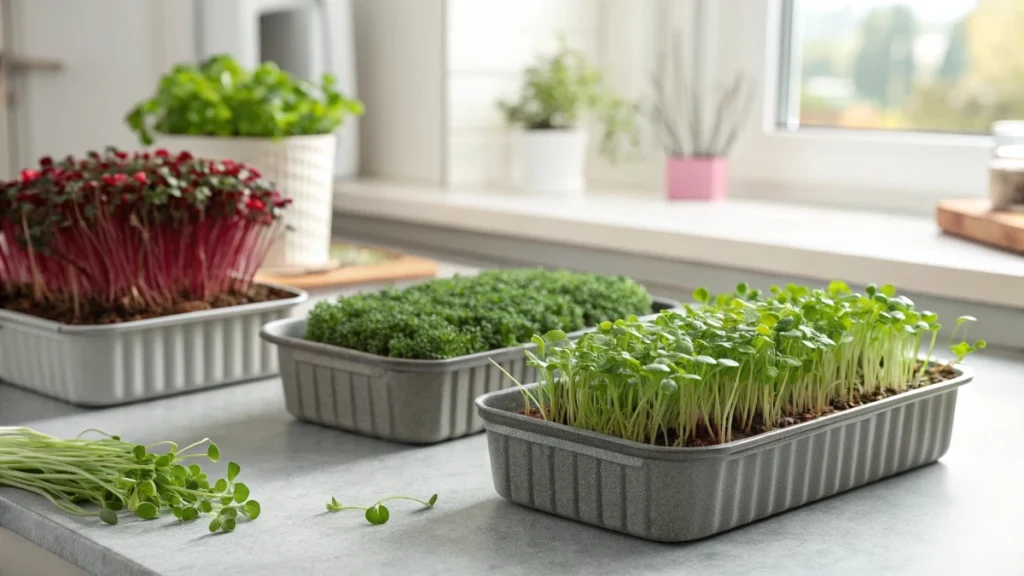
What Are Microgreens? Tiny Greens Big Nutrition

What Are Microgreens? Tiny Greens Big Nutrition

What are microgreens? In simple terms, they are young edible seedlings grown densely in shallow containers and harvested very early. Most home and market growers cut them about 7 to 14 days after germination, while some slower crops stretch closer to 14 to 21 days. They are small, but they bring color, aroma, and crisp texture to a plate. Chefs use them for finish and flavor.

Families use them to make everyday meals fresher and more nutritious. Extension agents and farm educators also point out the economic side. Microgreens have grown into a billion dollar category in fresh produce and routinely sell as a premium item in grocery coolers and at farmers markets.

The appeal is simple. You can grow them indoors year round. You harvest in one to three weeks. You get a clean, mild crunch that works on everything from eggs to noodles to tacos. And because you harvest at a very young stage, the nutrient density per bite is often higher than the mature plant. That combination of speed, flavor, and nutrition explains the rise you see in restaurants, local farms, and home kitchens alike.

What are microgreens

Microgreens are the young shoots of vegetables, herbs, and grains grown densely in trays and cut above the growing medium once the first seed leaves have fully opened. Those seed leaves are called cotyledons. Many growers harvest before the first true leaves appear because that is when the texture is tender and the flavor is clean. There are exceptions. Some mustards are taken as the first true leaves peek out for visual contrast and a slightly deeper taste. Sunflower is the opposite. It is best before true leaves because they become firm and somewhat bitter.

It is important to clear up a common misunderstanding. There is nothing special about a seed labeled for microgreens other than how you plan to use it. Microgreens describe a method and a harvest stage, not a different biology. Regular garden seed becomes a microgreen when you sow it thickly, give it light, and cut it young. That is why the range is wide. Radish, pea, broccoli, kale, arugula, basil, beet, and many more can be grown as microgreens. Growers keep experimenting and sometimes discover pleasant surprises such as black garbanzo with a lemony note or uniform sweet cantaloupe selections.

Where microgreens fit in the plant life cycle

Understanding the life cycle makes the term microgreens feel obvious. A plant begins as a dry seed. With moisture it becomes a sprout. In this earliest window you typically see a root tail and pale seed leaves and the plant is often grown in water. That sprout stage usually lasts about 3 to 6 days.

After that sprout window the seedling anchors, the stem elongates, and the cotyledons open wide. This is the microgreen window. Most growers harvest between 7 to 14 days, with some crops and cooler rooms taking 14 to 21 days. At this stage you eat the hypocotyl, which is the tender stem, and the cotyledons. The roots remain in the medium. Many crops measure about 2 to 8 inches tall at the point of harvest depending on species and light.

If you keep growing you enter the baby leaf stage. Think baby spinach, baby kale, and baby arugula where you are now eating the plant’s true leaves. Many common baby leaf crops are ready around 15 to 25 days in warm bright rooms. Past that you reach the adult leaf or full vegetable stage such as head lettuce or a mature cucumber on a vine. Microgreens sit squarely between sprouts and baby leaf. Timing and the part you eat are what define them.

A note on harvesting and quality

Cutting at the cotyledon stage maintains a tender bite and a bright taste. Letting some crops move into true leaves can add visual interest or a stronger flavor but can also add firmness or a hint of bitterness. That is why variety matters. Sunflower should be taken before true leaves. Mustards can be taken as true leaves show. Many brassicas such as broccoli are pleasing right at cotyledon. Proper handling also matters. Microgreens usually hold 7 to 14 days in the refrigerator when harvested cleanly, kept dry, and stored with gentle airflow.

Nutritional value that makes sense

Microgreens earned their reputation because early harvest concentrates certain compounds. In this young window the plant has not diverted energy into thick stems or large leaves. That is why studies often report vitamin and antioxidant levels that are four to forty times higher in some microgreens compared with the mature plant, depending on the species and the nutrient measured. You will frequently find vitamins A, C, E, and K in meaningful amounts along with minerals such as potassium, calcium, and iron.

Broccoli microgreens are a well known example. They are rich in sulforaphane, a bioactive compound linked in research to cell protection pathways and detox enzyme activation. That is one reason families focused on wholesome eating often reach for broccoli trays first. Pea shoots bring a gentle sweetness alongside protein and folate. Sunflower adds a nutty crunch with vitamin E. Spicy members of the mustard family deliver glucosinolates that become more aromatic on the tongue. None of this means microgreens replace a balanced diet. It simply shows why a small handful can meaningfully upgrade a meal. They are fresh, alive, and cut moments or days before you eat them, which helps preserve delicate nutrients that can fade with long storage.

Practical tips that protect nutrition

Add microgreens to hot foods after you remove the pan from heat. Finishing a dish instead of cooking them through helps keep vitamins and delicate flavors intact. Keep washed greens dry in storage. Moisture on leaves invites spoilage. Cut with clean tools right above the medium to avoid grit and to keep the product cleaner in the fridge.

🌿 Recommended Microgreens Supplies
These are the tools and supplies I personally recommend for growing healthy and flavorful microgreens at home.
💡 Best Grow Lights 🌾 Best Growing Seeds 🪴 Best Grow Medium 🧵 Best Grow Mats 🧺 Best Growing Trays 🌿 Best Growing Stand 🌱 Best Microgreens Kit
As an Amazon Associate, I earn from qualifying purchases.

Flavor and culinary appeal

The flavor range is wider than many expect. Radish brings a clear peppery snap that wakes up tacos, grain bowls, and noodle salads. Mustard leans warm and nose tingling for people who like heat without hot sauce. Pea shoots taste like fresh garden peas and smooth out spicier mixes. Sunflower is crunchy and nutty and often satisfies people who want a chip like texture on a sandwich. Broccoli is mild and versatile and fits into smoothies, omelets, and even applesauce for kids who want crunch without strong green notes.

Presentation matters too. Microgreens come in vivid greens, deep purples, ruby stems, and bi colored leaves. Chefs are drawn to that color and to the way a small tuft can balance rich foods. A few examples make the point. Scatter arugula microgreens across a margherita pizza right after it leaves the oven for a peppery lift. Stir pea shoots into hot rice with garlic and oil just before serving so they wilt slightly and stay sweet. Top ramen with a loose handful of sunflower shoots for crunch without extra salt. Roll sushi with micro basil or shiso style mixes to add aroma without overpowering the fish.

The best part is that you do not need a recipe. A practical rule many growers teach is piggybacking. Simply add a small handful to whatever you already eat. Eggs over a bed of greens. Soup finished with a pinch at the table. A burger with a fresh sweet layer of pea shoots. That is how microgreens move from garnish to daily habit and why they have loyal followings among chefs and families at the same time.

How microgreens are grown

Containers and media

Most growers use ten by twenty trays, often called one zero two zero trays. Half trays and small clamshells also work, especially for home kitchens. Fill the container with one and a half to two inches of fresh, clean potting mix and level it to the rim. Level media makes a clean cutting line so your scissors never touch soil. For hydro setups, use hemp, bamboo, or recycled fiber mats and watch moisture more closely since mats dry faster than soil.

Seeding and germination

Sow densely for a uniform canopy. Larger seeds like pea, sunflower, wheatgrass, and corn benefit from a brief pre soak. Mist the surface, then place a clean tray or light weight on top and keep in the dark. This weight stage runs about two to five days, and the plants will push the cover up as they anchor and elongate. Many growers describe it like a bench press for seedlings. Once you see strong lift and pale stems, remove the weight and move the tray to light.

Light, water, and airflow

Give the crop six to eight hours of light daily. An east facing window can work, but a simple LED grow light brings consistent results and prevents leggy growth. Water enough to keep the medium evenly moist. Bottom watering is ideal. Pour water into the outer tray so moisture wicks upward. This keeps foliage dry and discourages mold. Add gentle airflow with a fan if your room is humid.

Harvest and storage

Most crops are ready between day seven and day fourteen. Some homes that run cooler or grow slower varieties will harvest closer to day fourteen to twenty one. Use clean scissors or a sharp knife and cut just above the medium. Rinse, dry, and store in a breathable container. Good handling gives you seven to fourteen days in the refrigerator with steady quality.

Food safety and clean handling

Clean habits make a clear difference. Start with fresh, quality media every batch. Do not reuse potting mix. Sanitize trays and tools before sowing and again before harvest. Sow clean seed from a trusted source, and when possible choose seed labeled for microgreens since it is sold with eating in mind and without coatings.

High seed density and high humidity make great plants, but those same conditions can also favor unwanted microbes. Keep foliage dry, use bottom watering when you can, and give trays a little airflow. Cut above the medium to avoid grit and to keep harvested leaves cleaner. Rinse under cool running water, then dry before packing. These simple steps are the difference between a product that holds a week and one that holds two.

Regulations reflect these realities. In the United States, under current produce rules, microgreens are treated as a fresh cut crop and are distinct from sprouts, so the stricter sprout specific requirements do not apply. In some regions such as parts of Canada, guidance can be less clear, and growers are encouraged to check provincial expectations. No matter the location, a clean workflow, fresh media, and good storage are the foundation for safe greens.

Common varieties to try

Some crops are easy and forgiving and taste great. Radish grows fast and brings a bright peppery bite that people love on tacos and noodle bowls. Pea shoots are sweet, crisp, and familiar, and they are popular with kids. Sunflower shoots are firm and nutty and add a chip like crunch to sandwiches and grain bowls. Broccoli is mild and flexible and is often chosen first because of its sulforaphane content. Kale and arugula are steady performers, with arugula giving a gentle pepper finish.

If you like to explore, try beet for ruby stems and an earthy note, basil for aroma in warm dishes and salads, mustard for a short warm kick, and buckwheat for tender leaves. Growers sometimes test legumes like black garbanzo that surprised many with a lemony flavor, and select melon seeds such as certain cantaloupe strains that offered uniform sweet greens.

A few seeds do not belong in the micro tray for eating. Tomato and cucumber typically taste bitter as micros and can contain compounds that are not suited to bulk consumption at this stage. Leave those for the garden where they shine as mature fruiting plants.

Creative ways to use microgreens

Think finish, not long cooking. Add a handful after you take a dish off the heat so the greens keep their aroma and vitamins.

Use them as salad greens on their own for a concentrated, tender bowl, or fold them into baby lettuce for color. Layer broccoli or sunflower on sandwiches and wraps for crunch. Scatter micro arugula or basil over pizza right out of the oven so the heat releases the scent without wilting everything. Finish soups and stews at the table with a small pinch for freshness.

Blend a small handful into smoothies for a quiet nutrition boost that does not take over the flavor. Slide pea shoots into hot rice with garlic the way you would fold in herbs. Toss radish greens on tacos or grain bowls when you want a friendly heat. Roll sushi with a strip of micro basil or shiso style mixes for aroma. Use mint or basil micros to lightly infuse water or lemonade. Add a few stems to appetizers, small wraps, and snacks with hummus. Even cocktails and mocktails gain a clean look and a gentle herbal lift with tiny sprigs as garnish.

If you like simple rules, use piggybacking. Whatever you already eat, add a small handful. Eggs on a bed of greens. A burger with pea shoots. A ramen bowl with sunflower. This is the easiest way to turn a tray on your windowsill into a daily habit.

Growing microgreens at home

Growing microgreens at home is simple, low cost, and works even in small spaces. You need only a shallow container, clean medium, and light. Most people start with ten-by-twenty trays or even recycled food containers about two inches deep. Fill with fresh potting mix or a clean fiber mat and level it. Dense sowing gives you a uniform canopy. Mist until the surface glistens and cover to keep humidity steady during the first few days of germination.

After the seeds sprout and begin to lift the cover, remove the weight and move them into light. A bright window works, but a small LED grow light gives consistent results. Keep the medium evenly moist by watering from below; standing water encourages mold. Trim the crop above the medium after about ten to fourteen days, rinse gently, and let it dry. Stored in a breathable box in the refrigerator, it keeps a week or two.

Even young children can help. Sowing and misting are easy tasks, and watching the tray fill in over days makes a quick science lesson. Families often grow pea shoots or radish because they sprout fast and taste familiar.

Food safety and hygiene

Because microgreens are dense and kept in humid conditions, cleanliness matters. Always start with untreated seed and fresh soil or mats. Rinse trays and tools in warm soapy water or a mild sanitizing rinse before use. Avoid reusing potting mix, which can harbor bacteria or mold. Keep air moving around trays to reduce excess moisture and discourage fungal growth.

Cut above the soil line to prevent grit in the harvest. Rinse the greens under cool running water, dry them completely, and refrigerate immediately. Handle them like any fresh produce and consume within a week for best quality.

In the United States, microgreens fall under general produce rules rather than the stricter sprout regulations because they are grown in a medium rather than standing water. Still, the same common-sense food safety applies: clean seed, clean water, clean tools.

Market value and accessibility

Microgreens are no longer a niche crop. Local farmers grow them commercially, and grocery stores carry clamshells beside herbs and salad mixes. They command a premium because they are labor-intensive and perishable, yet the home-growing cost is tiny. A few dollars in seed and soil yield several trays that would sell for many times that in a store.

Commercially, microgreens appeal to chefs for color, texture, and concentrated flavor. The short growth cycle means farmers can harvest every one to three weeks, making them a reliable year-round cash crop. The market now exceeds a billion dollars globally, and demand continues to grow with interest in healthy eating and local food.

For households, the benefit is freshness. A windowsill tray provides live greens cut minutes before eating, something store packaging cannot match. Growing them connects people to food in a direct, visible way and shows that even without a garden, you can still harvest your own vegetables.

Common problems and simple fixes

Most growing issues come down to light, water, or airflow. Stems that stretch tall and pale need more light. A small grow lamp placed six to eight inches above the tray keeps plants short and sturdy. Mold or musty smells mean too much moisture; switch to bottom watering and give the tray more air circulation. Uneven growth usually comes from patchy seeding—spread seed evenly and press it lightly into the medium before misting.

If growth seems slow, check temperature and seed freshness. Most microgreens prefer a mild environment around twenty degrees Celsius. Old seed or cold rooms can delay germination. A simple thermometer and fresh seed stock solve most issues.

Why people grow microgreens

Microgreens bring fast rewards and real nutrition. They need little space, light, or time. In ten days you can harvest food that tastes fresh and looks beautiful. They fit any lifestyle—from a chef needing color on a dish to a family teaching children how plants grow.

Beyond convenience, they fill the gap between gardening and cooking. You plant, tend, harvest, and eat within the same week. They offer a practical way to add vitamins, texture, and flavor to everyday meals while staying connected to what you eat. In a world where food often travels thousands of miles, a tray of greens on your counter is a reminder that freshness can start right at home.

Cost, Convenience, and Everyday Value

Microgreens are one of the few foods that balance convenience with freshness. Store-bought trays often sell at premium prices, yet they’re among the easiest crops to grow at home for a fraction of the cost. A small bag of seed and some basic potting mix can produce several trays of fresh greens in two to three weeks. Most home growers spend less than a dollar per tray, compared with four to six dollars in stores.

For those who prefer not to grow, purchasing from local farms or farmers markets ensures you’re still getting freshly harvested greens. Many small producers operate year-round using simple indoor systems with grow lights. Because the crop matures quickly, farmers can grow and harvest weekly, making microgreens one of the most efficient short-cycle crops available.

Their value also lies in freshness. Unlike bagged salad mixes that lose texture in days, microgreens are cut right before serving. That’s why chefs pay higher prices for them—they deliver concentrated flavor and color that doesn’t fade on the plate. At home, they let you enjoy restaurant-quality texture and nutrition with minimal effort.

Troubleshooting Common Issues

Even though growing microgreens is simple, small mistakes can affect the final crop. The good news is that nearly every problem has an easy fix.

Leggy or pale stems: The plants aren’t getting enough light. Move them closer to a sunny window or place a small LED grow light about six to eight inches above the tray. Consistent light encourages strong stems and bright leaves.

Mold or mildew: Excess moisture and poor air circulation are the main causes. Switch from top watering to bottom watering, let trays drain well, and use a small fan to move air gently. Keeping the surface slightly dry helps stop mold before it starts.

Uneven germination: Seeds may have been spread too thick or too thin in spots. For an even canopy, distribute them carefully and press lightly into the soil before misting. Larger seeds such as peas or sunflower should be soaked overnight to encourage uniform sprouting.

Slow growth: The room might be too cool or the seed may be old. Microgreens prefer temperatures around 20–22°C (68–72°F). Warmer conditions promote faster growth and stronger stems. Always store seeds in a cool, dry place and replace them annually for best results.

By paying attention to light, moisture, and airflow, you’ll quickly learn the rhythm of your growing space. Every batch becomes easier once you understand how your environment affects germination and growth.

Why People Love Growing and Eating Microgreens

Microgreens have gained such attention because they make healthy eating feel effortless. They’re fast to grow, easy to harvest, and full of flavor. In just ten to fourteen days, you can produce enough greens for salads, sandwiches, smoothies, and garnishes.

For many people, growing microgreens is a first step toward home gardening. It teaches the basics—watering, light balance, and timing—without the long wait of traditional gardening. Watching a tray go from seed to harvest in a week gives a sense of accomplishment and reconnects people with their food.

From a nutritional view, microgreens pack impressive amounts of vitamins, antioxidants, and enzymes. Adding a handful to a meal boosts color, texture, and health without changing how you cook. They also add variety: spicy radish for a kick, mild broccoli for smoothies, sweet pea shoots for salads, or nutty sunflower for crunch.

Above all, microgreens represent something simple—freshness that’s easy to access. Whether they’re grown on a sunny kitchen counter or purchased from a nearby market, they remind us that healthy food doesn’t have to be complicated.

Leave a Comment

Your email address will not be published. Required fields are marked *